Aptos community proposal seeks to slash staking rewards by nearly 50%
An Aptos community member submitted a proposal on April 18 to slash staking rewards for the network’s native token, Aptos (APT), by nearly 50%The proposal, submitted by a community member called MoonSheisty, aims at redu...
Archive context
Older archive item. Useful for background and entity history, but not a fresh market-moving signal.

An Aptos community member submitted a proposal on April 18 to slash staking rewards for the network’s native token, Aptos (APT), by nearly 50%
The proposal, submitted by a community member called MoonSheisty, aims at reducing reward yields from 7% to 3.79% in a three-month period, aligning Aptos staking rewards with other layer-1 blockchains and encouraging capital efficiency.
The proposal has sparked curiosity on X, but early comments on GitHub show some initial resistance.
A community member going by ElagabalxNode noted that reducing the staking reward without “compensatory mechanisms like a robust delegation program” could push smaller validators out of the network, thus weakening the Aptos blockchain’s decentralization and long-term resistance.
Related: Aptos to accelerate innovation with new tech, investment in India
The proposal addresses the validators’ role in the network, stating that Aptos should consider a community validator program to give grants and stake to small validators contributing to the ecosystem.”
Aptos was founded in 2021 by a group of former Meta engineers. According to DefiLlama, the Aptos blockchain has a total value locked of $974 million as of April 18, with nearly a $320 million coming from lending protocol Aries Markets.
Aptos TVL and other metrics. Source: DefiLlamaWhile high staking rewards can incentivize users to lock up tokens on Aptos, MoonSheisty argues that they may also discourage participation in higher-risk, higher-reward opportunities within the ecosystem, such as restaking, DePIN infrastructure, MEV, and decentralized finance.
Staking ‘real reward rates’ vary considerablyStaking rewards can vary significantly across blockchains. According to CoinLedger, real returns on the BNB Smart Chain are among the highest at 7.43%, while Cardano offers one of the lowest at just 0.55%.
Staking offers multiple benefits: It incentivizes users to lock their tokens on-chain, supports validators and helps secure the network. Rewards work similarly to interest earned on a savings account — but instead of cash, stakers earn crypto, which can fluctuate in fiat value.
Related: Coinbase’s Ethereum staking dominance risks overcentralization: Execs
From time to time, proposals emerge aiming to modify staking procedures. In June 2024, Polkadot introduced a proposal to reduce the time needed to unstake to just two days. In September, the Starknet community voted to pass a new staking mechanism, while Ethereum co-founder Vitalik Buterin proposed solutions to staking issues a few weeks later.
While staking gives the community a true “stake” in the network, there are risks associated with it, including the consolidation of smaller pools into larger ones. This trend can undermine decentralization and weaken the blockchain’s overall resilience.
Magazine: Ethereum restaking — Blockchain innovation or dangerous house of cards?
Why this matters
This blockchain story adds another data point to the current market tape and is useful when read alongside nearby source coverage.
Original source
Read on CointelegraphRelated market context

BlackRock’s staking Ethereum ETF pays yield but investors still prefer its $9 billion ETHA fund
Staking was supposed to strengthen Ethereum exchange-traded funds (ETFs), but BlackRock’s early results show investors still favor...
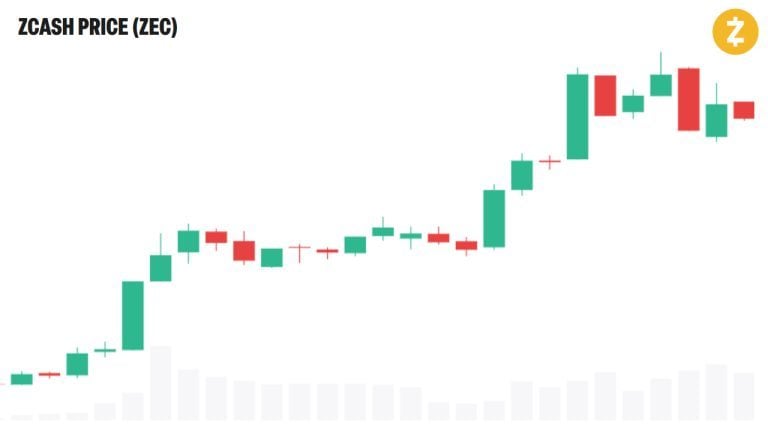
Zcash Mining Highly Profitable: Grayscale Says Rewards Beat Bitcoin 2x
Zcash mining rewards are roughly twice Bitcoin’s per machine and four times higher per unit of electricity, Grayscale estimates. S...

Banks escalate stablecoin rewards fight as Senate prepares for a Clarity Act vote
Eight banking groups on Monday said they want tighter limits on stablecoin rewards, keeping the ongoing banks-versus-crypto disput...

Joseph Lubin to discuss institutional Ethereum staking at Lido Poolside call
Lubin's insights may boost institutional confidence in Ethereum, potentially influencing its market dynamics and adoption in finan...

Zest Protocol introduces DeFi incentives on Stacks market with monthly STX rewards
Zest Protocol's DeFi incentives could boost user engagement and liquidity on Stacks, enhancing the ecosystem's overall financial a...

77 state banking associations seek changes to CLARITY legislation to ban balance-based stablecoin rewards
The push to amend the CLARITY Act highlights tensions between traditional banks and stablecoin issuers, potentially reshaping fina...