Astar reduces base staking rewards to curb inflation pressure
Blockchain firm Astar Network implemented changes to its tokenomics to reduce inflationary pressures in its ecosystem. On April 18, Astar Network announced that it reduced the blockchain’s base staking rewards to 10% fro...
Archive context
Older archive item. Useful for background and entity history, but not a fresh market-moving signal.
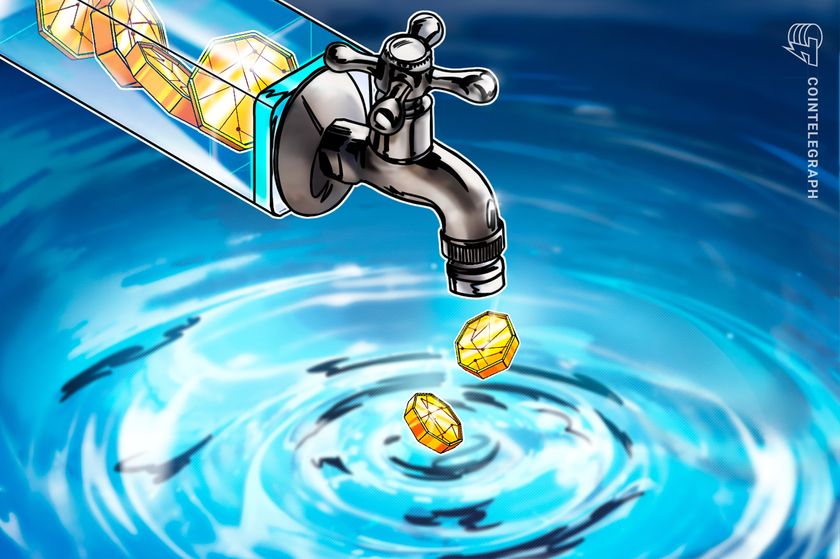
Blockchain firm Astar Network implemented changes to its tokenomics to reduce inflationary pressures in its ecosystem.
On April 18, Astar Network announced that it reduced the blockchain’s base staking rewards to 10% from 25% to curb token inflation.
The company said the change promotes a more stable annual percentage rate (APR) for users as staking inches closer to a more ideal ratio. The firm said this ensures that rewards “remain meaningful” without causing excessive inflation.
“This change lowers automatic token issuance, reducing overall inflationary pressure while maintaining strong incentives for users to stake their ASTR,” Astar Network wrote.
Astar Network highlights key changes to its tokenomics. Source: Astar NetworkAstar Network implements inflation-control mechanismsUnlike Bitcoin, which has a fixed total supply, the ASTR token operates under a dynamic inflation model without a cap on its maximum token supply. As the blockchain operates, it emits more tokens, increasing the supply.
Having no fixed supply can often create downward pressure on the token’s value over time. This is especially true if the demand for the token does not keep up. To address this, Astar is introducing several new inflation-control mechanisms.
Apart from lowering staking rewards, Astar also started routing token emissions into a parameter that governs total value locked (TVL)-based rewards like decentralized application staking. This means that DApp staking APRs will become “more predictable” over time, offering stability to stakers.
Astar also introduced a new minimum token emission threshold of 2.5% to ensure it doesn’t exceed a sustainable baseline. With continued transaction fee burning, Astar said it would also contribute to reward predictability.
According to Astar, the changes have already lowered its annual inflation rate from 4.86% to 4.32%. It also lowered its total ASTR token emitted per block from 153.95 to 136.67 tokens. This reduces the token’s estimated annual emissions by 11%, going from 405 million to 360 million.
Related: Sony’s Soneium taps EigenLayer to cut finality to under 10 seconds
Astar token hits all-time low on April 7Astar Network’s efforts to curb token inflation come as its native token recently hit an all-time low. CoinGecko data shows that on April 7, the ASTR token declined to a new low of $0.02. The price is 93.8% lower than its peak three years ago, when it reached $0.42 on Jan. 17, 2022.
In December 2024, the token rallied along with the rest of the market, hitting a high of $0.09. Since then, the crypto asset had continuously dropped in value before hitting the new all-time low.
Astar Network’s 1-year price chart. Source: CoinGeckoMagazine: Uni students crypto ‘grooming’ scandal, 67K scammed by fake women: Asia Express
Why this matters
This blockchain story adds another data point to the current market tape and is useful when read alongside nearby source coverage.
Original source
Read on CointelegraphRelated market context

Coinbase gives community banks a stablecoin bridge while supplying infrastructure underneath
Coinbase’s new partnership with payments platform Moov gives community banks and credit unions a route to offer stablecoin service...
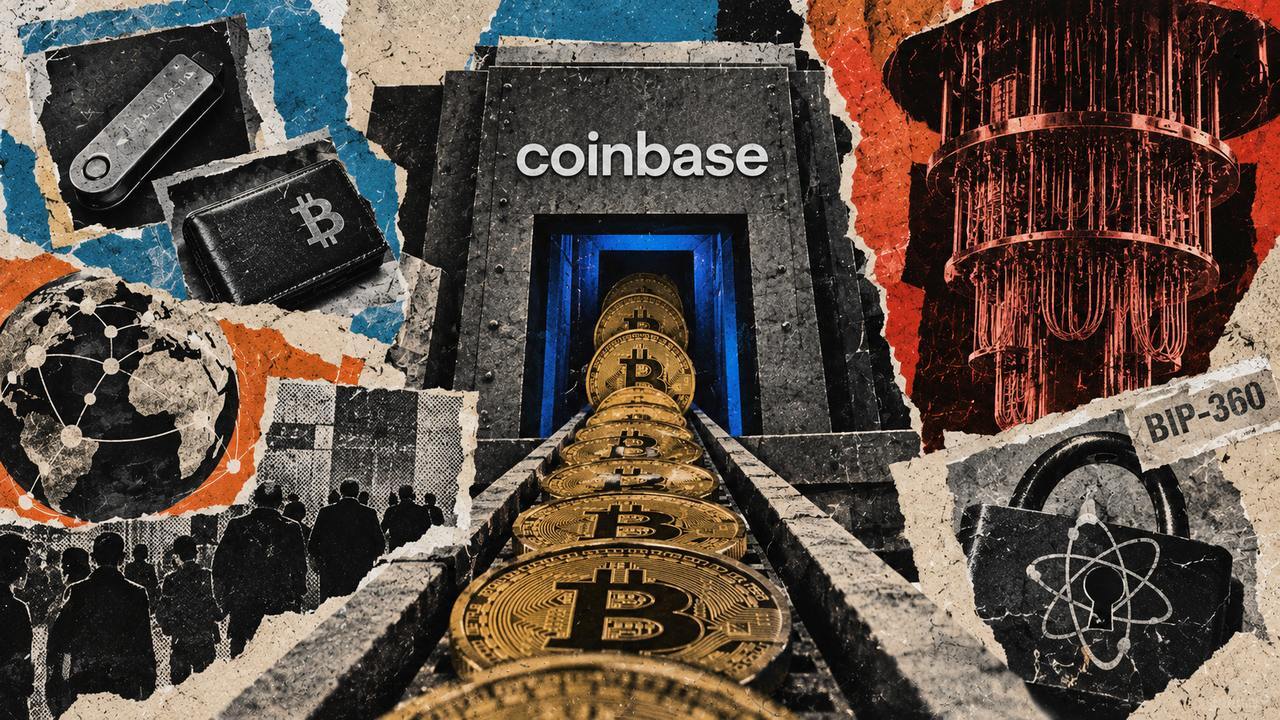
Bitcoin exchanges can reduce quantum exposure before a network upgrade
A future quantum-safe Bitcoin will have to pass through the systems that hold and move today's coins. Exchanges, institutional cus...
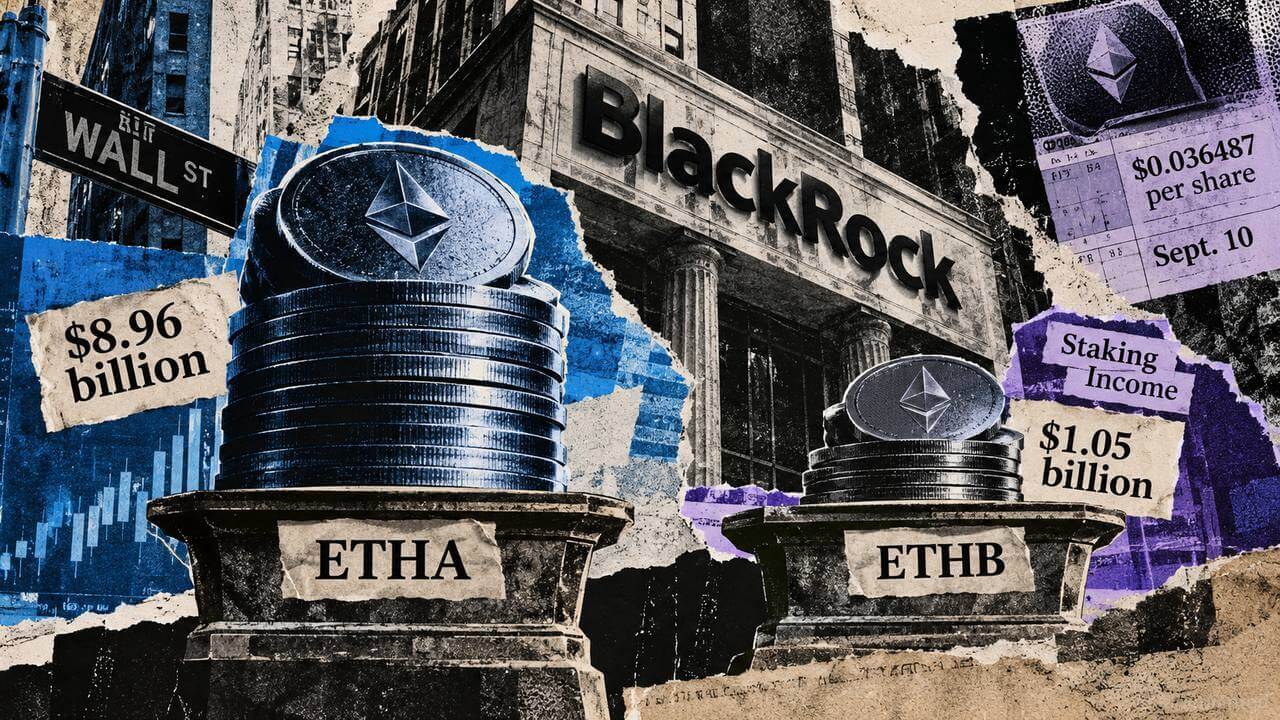
BlackRock’s staking Ethereum ETF pays yield but investors still prefer its $9 billion ETHA fund
Staking was supposed to strengthen Ethereum exchange-traded funds (ETFs), but BlackRock’s early results show investors still favor...

Ethereum Price Prediction: Supply Shock Could Send ETH Above $3,000
Ethereum trades at just above $2,500, but the flat 24-hour print masks a more interesting story underneath that could flip its pri...

Plume Network general counsel outlines tokenization’s benefits in Bitcoin Suisse wealth report
Tokenization's rise could redefine asset management, enhancing efficiency, transparency, and global competitiveness in financial m...

77 state banking associations seek changes to CLARITY legislation to ban balance-based stablecoin rewards
The push to amend the CLARITY Act highlights tensions between traditional banks and stablecoin issuers, potentially reshaping fina...