Blockchain Disrupts the User-Generated Content: Can Creators Regain Control?
The internet’s evolution from Web1 to Web2 marked a massive shift in how we interact with content. In the days of Web1, most of us were passive observers. We consumed content, clicked through web pages, and absorbed the...
Archive context
Older archive item. Useful for background and entity history, but not a fresh market-moving signal.

The internet’s evolution from Web1 to Web2 marked a massive shift in how we interact with content. In the days of Web1, most of us were passive observers. We consumed content, clicked through web pages, and absorbed the information in front of us. But Web2 changed the game. Suddenly, user-generated content (UGC) took center stage, with social media platforms allowing everyday people to become creators.
The Creator Economy
Creators began to thrive on platforms like YouTube, Instagram, and TikTok. More and more people saw a path out of the monotony of traditional 9–5 jobs and into the freedom of expressing their creativity online. Dreams of turning hobbies into careers spread like wildfire, especially among younger generations. The internet had become a place where passions could translate into money—at least, that’s how it seemed.
But not all is what it seems in the creator economy. While UGC grew exponentially, the distribution channels centralized in the hands of a few powerful platforms. Facebook, Instagram, YouTube, Twitch, and TikTok offered visibility and monetization, but at a significant cost. These platforms built empires on the backs of creators, offering just a fraction of the value in return.
first video from the @allinsummit - in conversation with @elonmusk available exclusively on @X(0:00) Besties welcome Elon via Starlink (05:31) Ukraine and Starlink (19:10) green shoots of @X (22:24) the creator economy and optimizing the @x experience(26:43) the ADL,… pic.twitter.com/vRpnrz3DLV
— The All-In Podcast (@theallinpod) September 12, 2023Outside of the viral sensations and the top 1%, the majority of creators earn far less than they deserve. The promise that more content, more followers, and more engagement will lead to financial success is a mirage. Creators are stuck in a saturated landscape, struggling to stand out while the platforms reap the rewards of their labor.
Advertisers and sponsors join the fray, using the reach of content creators to push products, yet only a small percentage of that income trickles back to the creators themselves. Why do we continue to play this game? Why do we hand over control to platforms that profit off our creativity while keeping us locked in a system that restricts our freedom?
Creators are at the mercy of algorithms, which dictate what content gets visibility. Policies change without warning, leading to demonetization or shadowbans. Meanwhile, platform CEOs and executives pocket the profits.
Blockchain Brings Control
But the tides are shifting. The creator economy is ripe for a revolution. Transparency, fair compensation, and ownership are not just buzzwords—they are the foundation for a new era. Blockchain technology, coupled with stablecoins, offers creators the tools to take back control.
Blockchain introduces transparency and security into the creator economy, ensuring that every transaction is traceable and creators can receive instant payments. No more weeks of waiting for payouts. No more outrageous transaction fees. Stablecoins provide the added benefit of receiving payments in a reliable currency, free from the volatility of traditional cryptocurrencies. Many platforms are already integrating blockchain to allow creators to monetize their work instantly with stablecoins.
The future of the creator economy isn’t based on followers or likes—it’s based on real value, real money, and real autonomy. Blockchain technology is the key to reclaiming the power creators have lost to centralized platforms. It’s time to stop being exploited. Let’s build a future where creators can finally thrive on their own terms.
This article was written by Jonathan Azeroual at www.financemagnates.com.Why this matters
This blockchain story adds another data point to the current market tape and is useful when read alongside nearby source coverage.
Original source
Read on Finance MagnatesRelated market context

Crypto wallet creators now have just 24 hours to alert regulators when flaws are exploited
Commercial manufacturers whose connected hardware wallets or wallet software meet the European Union's product test must now warn...

Peru Economy Ministry’s X account hacked by crypto scammers promoting fake token
The hack highlights the growing vulnerability of government social media accounts, undermining public trust and exposing citizens...

Argentina to require crypto platforms to report user data to local tax authority
Argentina's new crypto reporting rules could enhance tax compliance and international data sharing, impacting user privacy and pla...
Mallers: Bitcoin and AI Could Give Humans Back Their Time
Bitcoin Magazine Mallers: Bitcoin and AI Could Give Humans Back Their Time Bitcoin — along with artificial intelligence — could he...
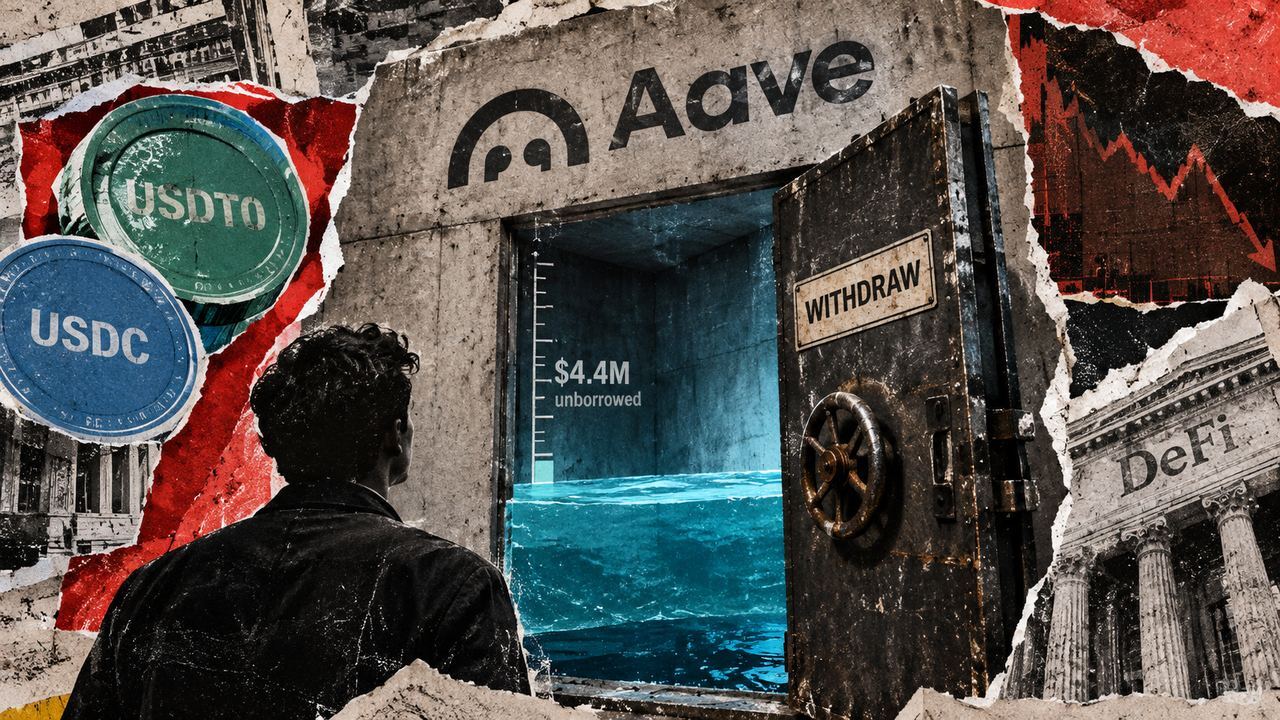
$55 million Aave stablecoin pool sees just $4.4 million available for withdrawals
Aave's USDT0 stablecoin lending pool on the Monad network displayed a 6.10% annual percentage rate over the weekend, but only abou...
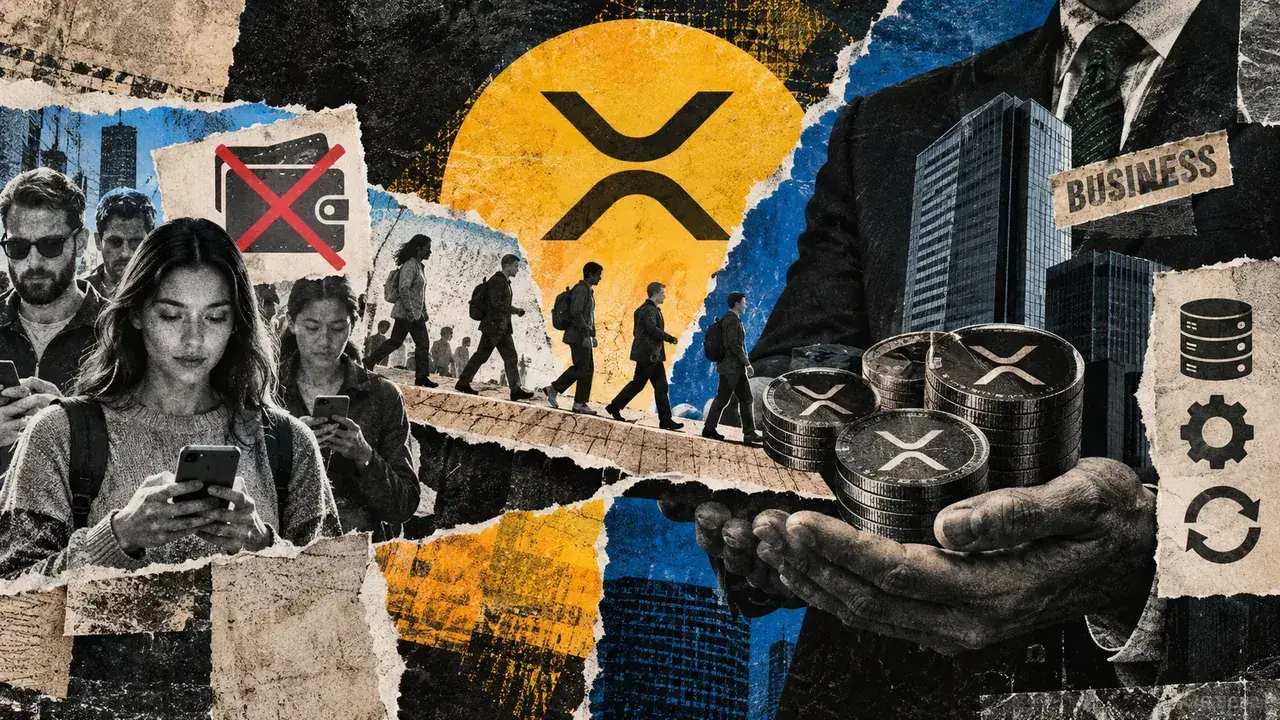
A new XRPL upgrade could concentrate XRP ownership inside banks instead of retail wallets
A proposed XRP Ledger (XRPL) upgrade could let banks and fintechs absorb XRP costs so customers never need to hold the token. The...