Blockchain in the Cloud: A greener future for blockchain developers
In fact, according to the White House, the total power usage for the cryptocurrency economy is around 180 billion kW hours per year, which is more than the electricity used by all of Australia in the same time period. Of...
Archive context
Older archive item. Useful for background and entity history, but not a fresh market-moving signal.

In fact, according to the White House, the total power usage for the cryptocurrency economy is around 180 billion kW hours per year, which is more than the electricity used by all of Australia in the same time period.
Of course, there is more to blockchain than cryptocurrency, but today all technology providers are under pressure to improve their sustainability credentials, and many blockchain foundations have been criticised for how energy-intensive their processes are.
However, by utilizing emerging mechanisms for verifying blockchain transactions – such as Proof of Stake (PoS) validation protocols – businesses can greatly reduce their CPU/GPU usage and energy consumption.
How a transaction is verified in the blockchainOne of the most popular uses cases for blockchain technologies is decentralized applications (Dapps). The front-end facing applications create a smart contract (transaction), which then must be verified. If the verification process is successful, it gets added to the transaction block. A transaction can only be added to the chain when criteria are met. The verification process depends on the protocol sourcing the network.
Proof of Work (PoW) protocolIn a network operating PoW protocol, the transactions are validated by a mining node. The verifying nodes that operate in a PoW based network are solving a mathematical problem. They mostly use the computing power of a GPU or CPU to solve these problems. Very often, mining nodes use 100% of the available compute power. This method requires servers to be equipped with very powerful GPUs, which need to run continually.
Proof of Stake (PoS) protocolThe adoption of Proof of Stake (PoS) blockchain validation protocol is accelerating across the industry. When a blockchain is operating a PoS consensus mechanism, the transaction verification process is managed by a network of validators who run infrastructure equipped with the operational crypto currency of the network itself. They are driven by a common interest in maintaining network security and transparency. These “validators” operate a pool of staking nodes, which delegate a portion of their coin assets insuring the legitimacy of the transaction.
Crucially, the PoS nodes are not necessarily using the full compute resource capacity, making it a much more sustainable blockchain ecosystem. As a result, many commentators anticipate an easing of the restrictions put in place by cloud service providers.
PoS in practiceWe will now look at an example of a Proof of Stake organisation in practice. Bware Labs delivers a suite of powerful blockchain development tools and infrastructure services built to meet the challenges of Web3. Its flagship product Blast is one of the world’s fastest blockchain API platforms.
As a reliable and secure platform, Bware Labs can also support blockchain projects as a validator and bridge operator. It is trusted by 54 blockchains, 10k active delegators, and has a total locked value of $450M. Moreover, Bware Labs built GovScan, a tracking hub for monitoring blockchain governance proposals, and to further support builders in their journey, they are also offering app chains, faucets, and snapshot services.
“To deliver market-leading blockchain services and dev tools, we needed a technical solution which could not only deliver superlative performance, scale in an agile fashion but also offer secure and resilient network availability. However, sustainability is also important to us, and this is one of the reasons why we chose to work with OVHcloud. It’s rare to find an operator that can provide both technical excellence and market-leading sustainability credentials across recycling, power efficiency, water consumption and innovation, but OVHcloud ticked all the right boxes,” said Radu Enoiu, Co-Founder & Head of Product at Bware Labs.
Into the FutureSustainability is a very important consideration for the blockchain ecosystem, but it’s not the only consideration. Blockchain organisations face many challenges, from regulatory hurdles to choosing infrastructure, not to mention managing user communities and collaborating with partners.
Furthermore, many blockchain organisations are small, agile, and growing quickly. This puts them in a strong strategic position to incorporate sustainability as a design principle, incorporating it into their corporate DNA. This means that as they grow and scale, not only will their sustainability credentials be attractive to investors and customers, but their energy bills will also be more efficient and affordable.
With this in mind, we can see that sustainability is no longer a ‘nice to have’, but a ‘must have’ if blockchain companies are to do business responsibly today – not to mention that sustainability pays its own dividends by cutting costs and reducing waste.
And when you look at it this way, it’s perfectly clear that blockchain’s future must be truly green.
Author: Omar Abi Issa
Omar Abi Issa is an award-winning Senior Business Development Manager, with over 8 years of experience working with clients in the B2B SME/Enterprise areas. He specialises in helping tech companies with a strong focus on blockchain, AI & ISV sector achieve higher performance and lower operational costs. Abi Issa is a trilingual blockchain specialist and has spoken at all-party parliamentary groups on blockchain and related topics.
Why this matters
This blockchain story adds another data point to the current market tape and is useful when read alongside nearby source coverage.
Original source
Read on Brave New CoinRelated market context

Audited DeFi protocols lost $885M to attacks that occurred completely outside their audit scopes
In decentralized finance, “audited” is often presented as a verdict on an entire project. In practice, an audit usually covers nam...
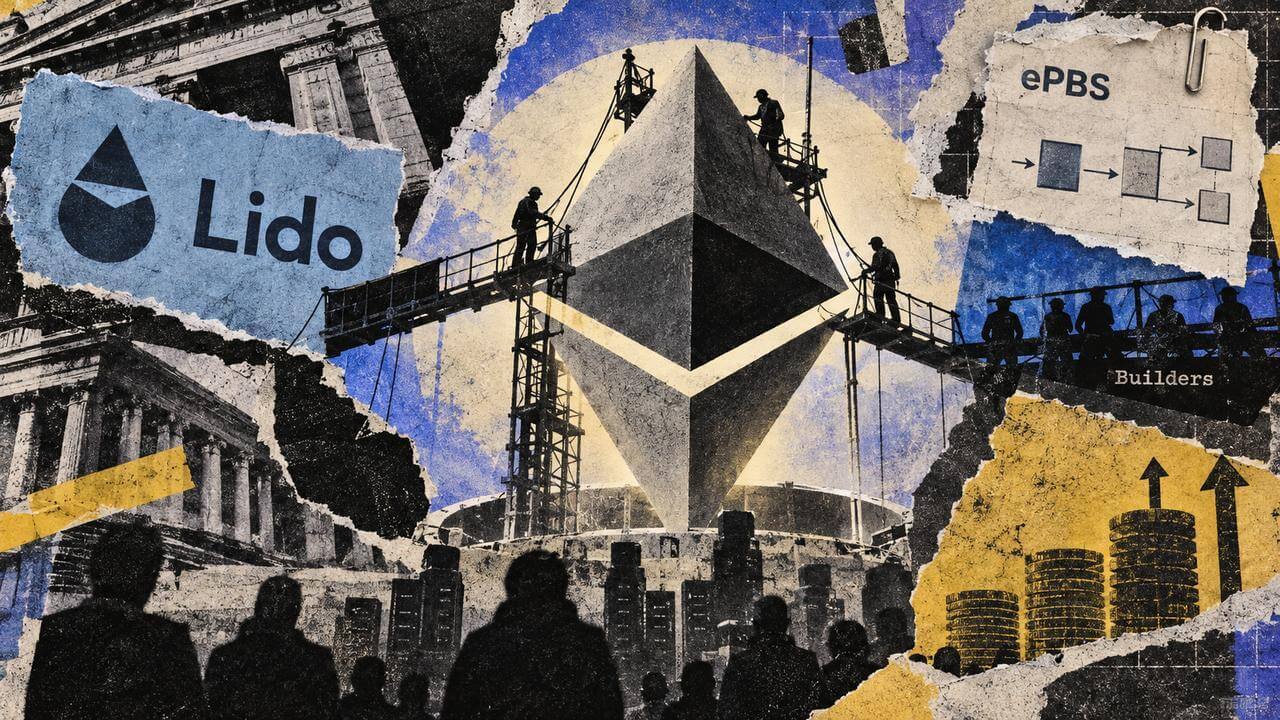
Ethereum builders face a choice between locking up too much cash or relying on trusted brokers
In a Sept. 8-11 Lido discussion, Commit-Boost contributor Jason Vranek argued that builders funding protocol-backed payments face...

Bitcoin exchanges can reduce quantum exposure before a network upgrade
A future quantum-safe Bitcoin will have to pass through the systems that hold and move today's coins. Exchanges, institutional cus...
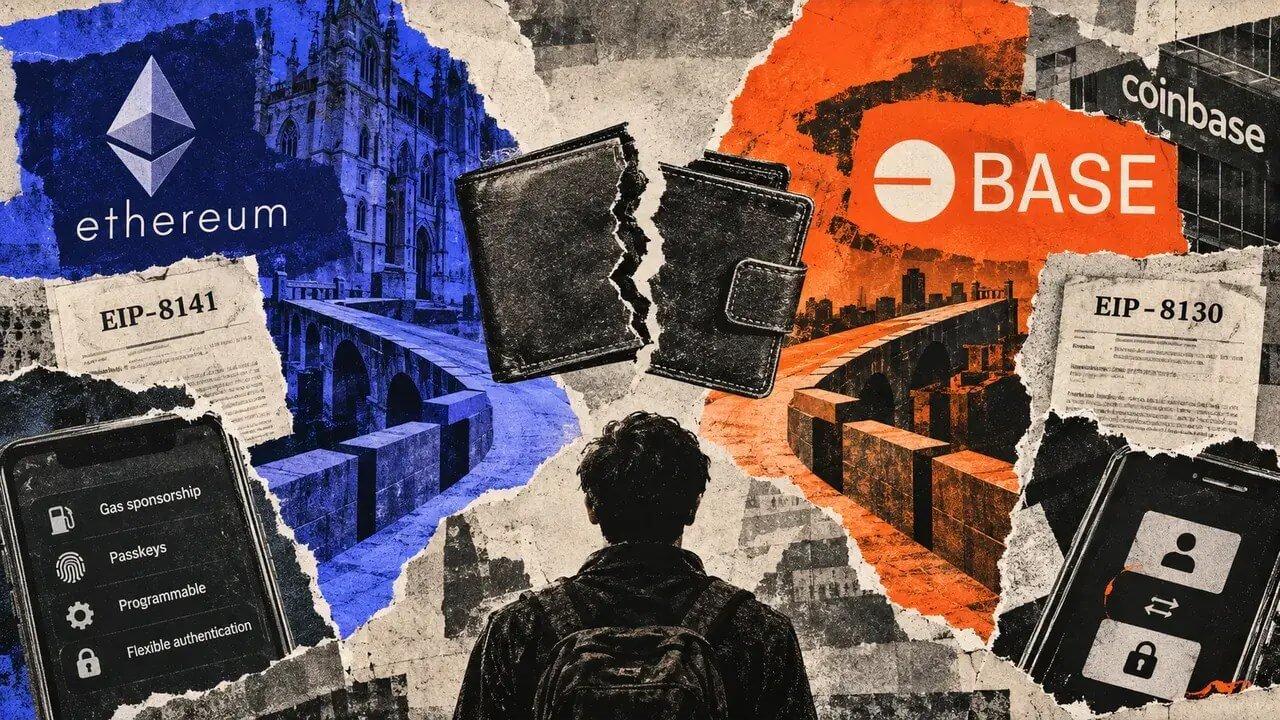
Coinbase-backed Base just exposed the uncomfortable truth about Ethereum’s L2s
Ethereum and Coinbase-backed layer-2 network Base have abandoned an effort to agree on how the next generation of crypto wallets s...

CLARITY Act Nears Senate Showdown: Crypto’s Long Wait for US Rules Reaches a Critical Vote
For cryptocurrency businesses waiting for Washington to settle how their industry should be regulated, the next hurdle comes down...

XRP holders could earn new yield, but getting out may take up to 60 days
Firelight is preparing to turn XRP-linked assets into capital that backs protection for DeFi users, offering holders a new source...