BNDES Director Offers New Insights on Development of Brazilian Blockchain Network
Gladstone Arantes, a director of the Brazilian Development Bank (BNDES), gave new details about the progress of the Brazilian Blockchain Network, a project that has been in development since 2018. The network will be cre...
Archive context
Older archive item. Useful for background and entity history, but not a fresh market-moving signal.
Gladstone Arantes, a director of the Brazilian Development Bank (BNDES), gave new details about the progress of the Brazilian Blockchain Network, a project that has been in development since 2018. The network will be created on top of the Hyperledger Besu 2.0, which uses a proof-of-authority consensus mechanism. The final goal of this project is to move public spending to the network in order to increase the transparency of these fund movements.
Brazilian Blockchain Network AdvancesThe Brazilian Blockchain Network, a project that was conceived back in 2018, is now in its development phase. Gladstone Arantes, head of blockchain initiatives at the Development Bank of the country (BNDES), revealed new insights about the development and the technical data of the project. At the Ethereum.Rio event, Arantes stated the project had selected Hyperledger Besu 2.0 to be its base platform, and that the network would also be using a proof-of-authority consensus system.
Proof-of-authority means there will be no mining on top of the chain, and that state actors will maintain control of the network. This follows the premise of simplifying the operation of the blockchain, so it’s possible to be easily understood by anyone wanting to examine it.
Laying the GroundworkArantes explained that the Brazilian Blockchain Network will serve as a starting point for institutions to build their applications on a trustable platform without having to reinvent the wheel. On this subject, Arantes stated:
What happened in the Brazilian government and still happens is that, for each use case, it creates its own infrastructure and network. This blocks innovation. It’s like we were going to make Google, but first we had to make the internet. Therefore, after discussing with our partners, we saw that it was necessary to create a single structure.
One of the goals of the project, which is being developed in conjunction with other state and private organizations, is to bring more transparency and awareness to public spending, and it has its inspiration in other similar projects that are being developed in regions like Latin America, Europe, and Spain.
Arantes did not make reference to a possible completion date. However, the project repository indicates their team is deploying a laboratory network and drafting the regulation of the Brazilian Blockchain Network.
Brazil is now making attempts to establish its own central bank digital currency (CBDC), with its central bank studying the possible applications of a digital real and the benefits it could have for potential users.
What do you think about the development of the Brazilian Blockchain Network and the technical details behind it? Tell us in the comments section below.
Why this matters
This blockchain story adds another data point to the current market tape and is useful when read alongside nearby source coverage.
Original source
Read on Bitcoin NewsRelated market context

Bitcoin’s Next Fed Test Is Today’s FOMC Meeting: Will $75K Hold?
Markets are pricing roughly a 90% probability of a 25-basis-point Federal Reserve rate hike at the September FOMC meeting, accordi...
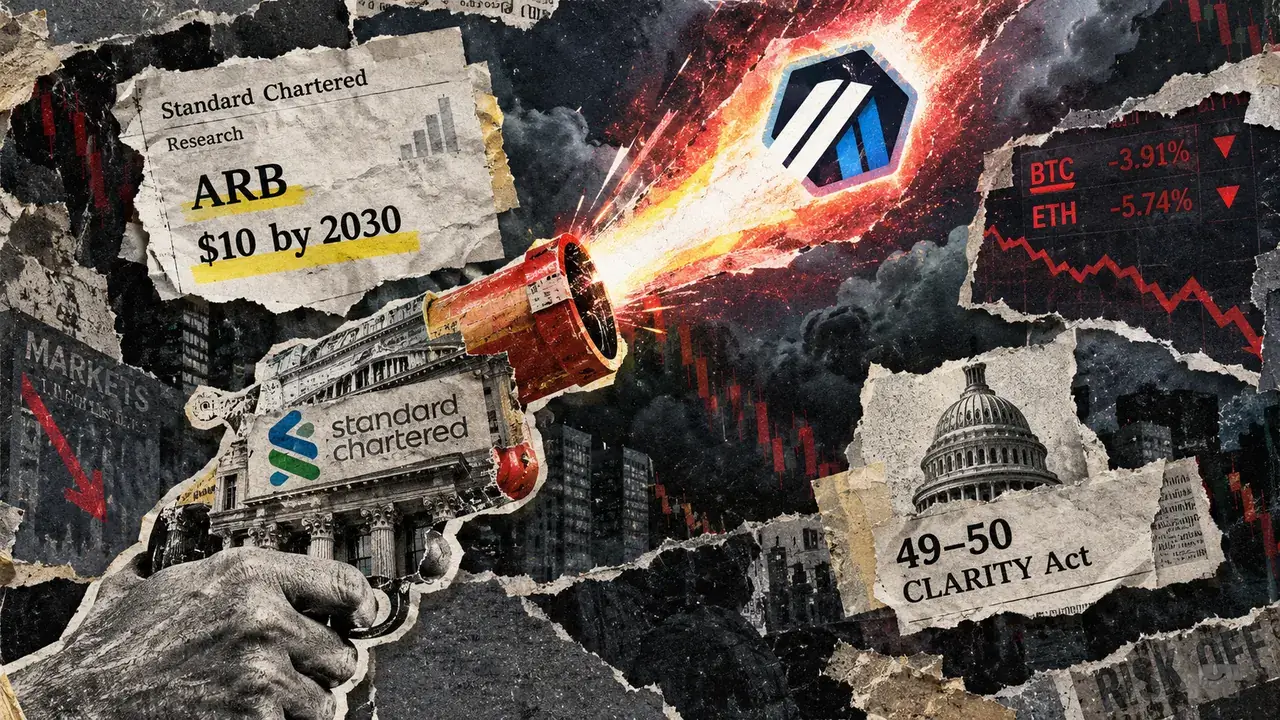
The Standard Chartered Effect: Is bank research becoming crypto’s new short-term catalyst?
Standard Chartered initiated coverage on Arbitrum's ARB token on the morning of Sept. 15 with a $10 price target for 2030. That im...
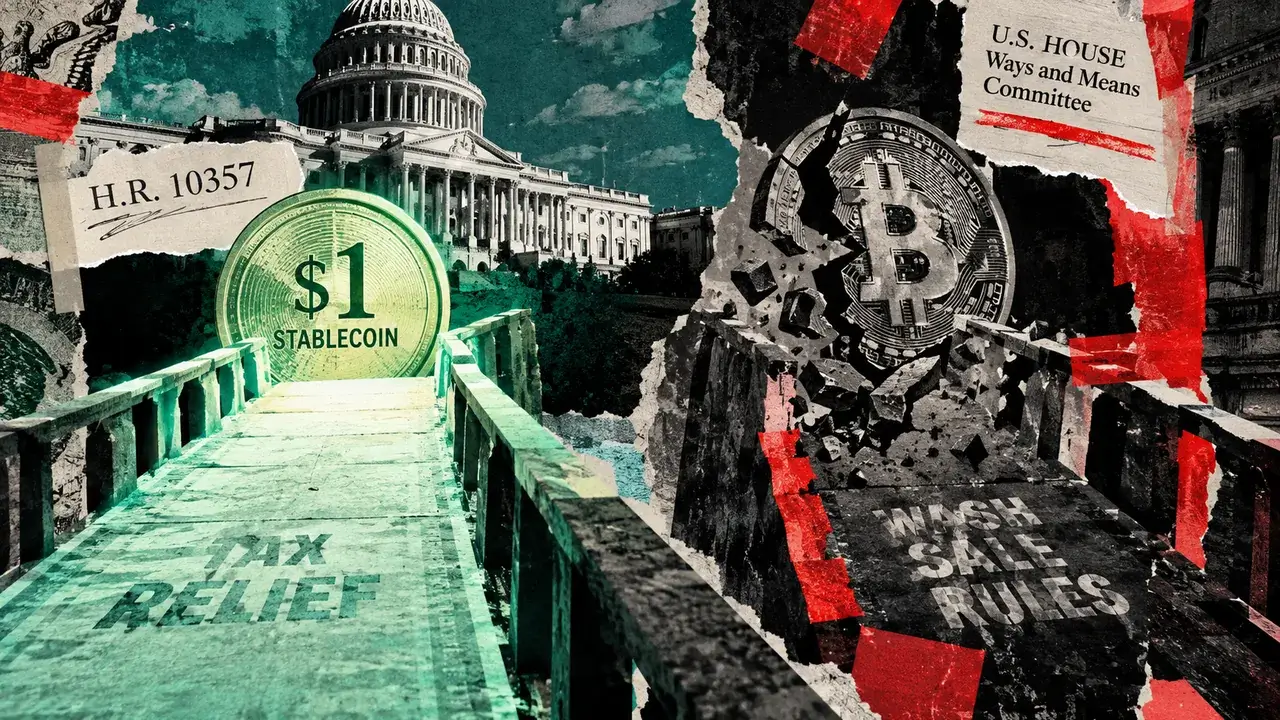
Congress wants to make crypto easier to use and still collect $500 million more in taxes
A House crypto tax overhaul would raise an estimated $500 million while easing taxes on stablecoin payments and small fees. The Ho...

Bitcoin (BTC) Price Prediction: Will FOMC Volatility Break Bitcoin Out of Its $76K Standoff?
The Bitcoin price has pulled back sharply from its recent highs while the upcoming FOMC decision could introduce a fresh volatilit...
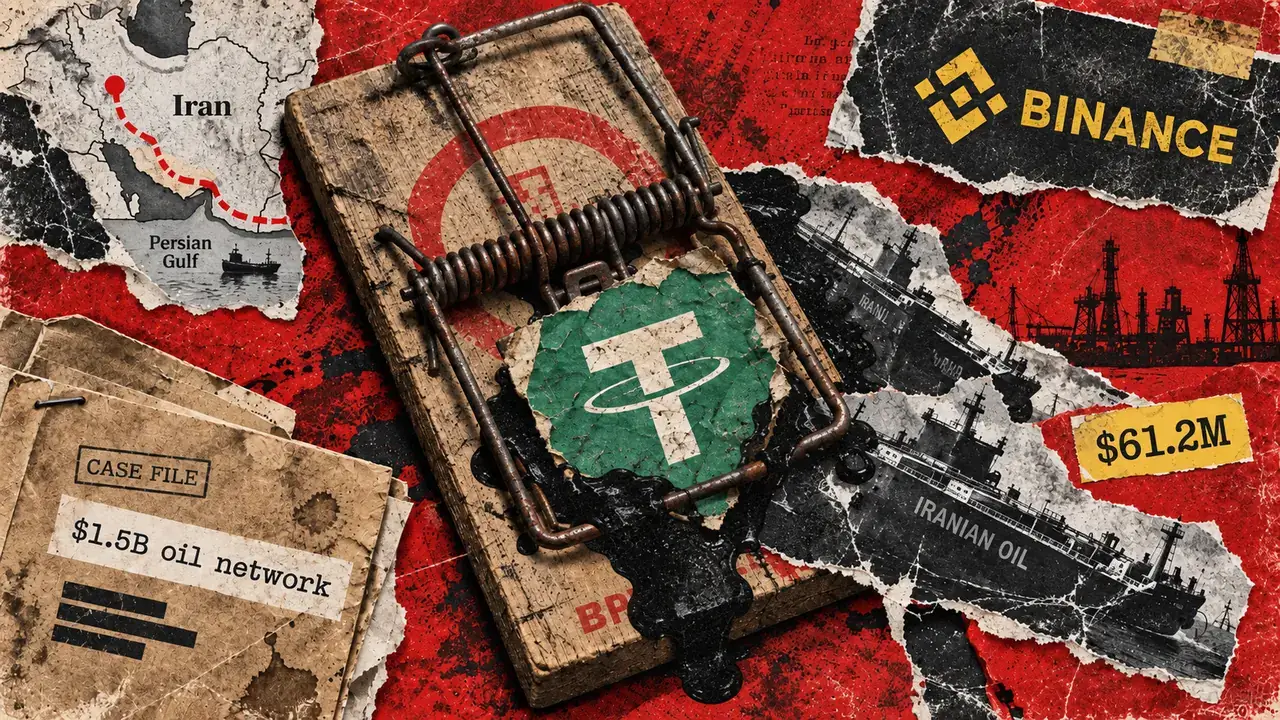
Tether, Binance and a $1.5 billion Iran oil network converge in new US forfeiture case
US prosecutors are seeking to seize $61 million in Tether’s USDT tied to alleged black-market Iranian oil sales. On Sept. 14, the...

Deutsche Bank To Debut Bitcoin Custody for Institutional Clients
Bitcoin Magazine Deutsche Bank To Debut Bitcoin Custody for Institutional Clients Deutsche Bank said Wednesday that it would debut...