Buenos Aires Might Implement Blockchain Systems to Make Social Aid Payments
Dario Nieto, a lawmaker in the city of Buenos Aires, has introduced a bill that would use blockchain systems to make social aid payments in order to bring clarity to these activities. Nieto has complained about the diffe...
Archive context
Older archive item. Useful for background and entity history, but not a fresh market-moving signal.

Dario Nieto, a lawmaker in the city of Buenos Aires, has introduced a bill that would use blockchain systems to make social aid payments in order to bring clarity to these activities. Nieto has complained about the different intermediaries that use these social campaigns to make money and how introducing blockchain might eliminate these activities.
Social Aid Blockchain Law Introduced in Buenos Aires
Many systems are using blockchain due to the traceability that this tech might bring to any implementation. Senator Dario Nieto, a lawmaker for the city of Buenos Aires, is proposing to use blockchain as a fundamental part of a system to manage social aid payments. For this, he introduced a bill that would bring many of the activities derived from these programs to an end.
In his view, payments coming from social aid programs are used regularly by different intermediaries to make money or to force recipients to participate in political activities. On this, Nieto stated:
The management of social plans has become a huge apparatus used to do politics, with which the leaders of social movements extort people with abusive practices, such as asking for money returns, a percentage of the plan, going to march and block streets.
According to Nieto, blockchain tech might help in this regard, making every payment traceable and putting middlemen out of the equation. He explained:
With blockchain, the money leaves the Ministry of Social Development directly to the beneficiary, without asking for voluntary contributions, without favors such as attendance controls at pickets or marches.
This is not the first time that Nieto has introduced a blockchain-based bill. The lawmaker already introduced a bill that would use blockchain tech as part of a system to control state purchases and contracts.
Buenos Aires is a city that has embraced blockchain as a part of its structure. As part of a modernization program, the city is currently in the final stages of implementing a blockchain-based ID system called TangoID. The government of Buenos Aires has declared that it aims to have it working by January 2023.
In August, the city declared that it will run Ethereum nodes with the objective of learning more about the chain for regulatory purposes. In April, the city confirmed its plans to accept cryptocurrency for tax payments in 2023.
What do you think about the latest blockchain bill presented in Buenos Aires? Tell us in the comment section below.
Why this matters
This blockchain story adds another data point to the current market tape and is useful when read alongside nearby source coverage.
Original source
Read on Bitcoin NewsRelated market context
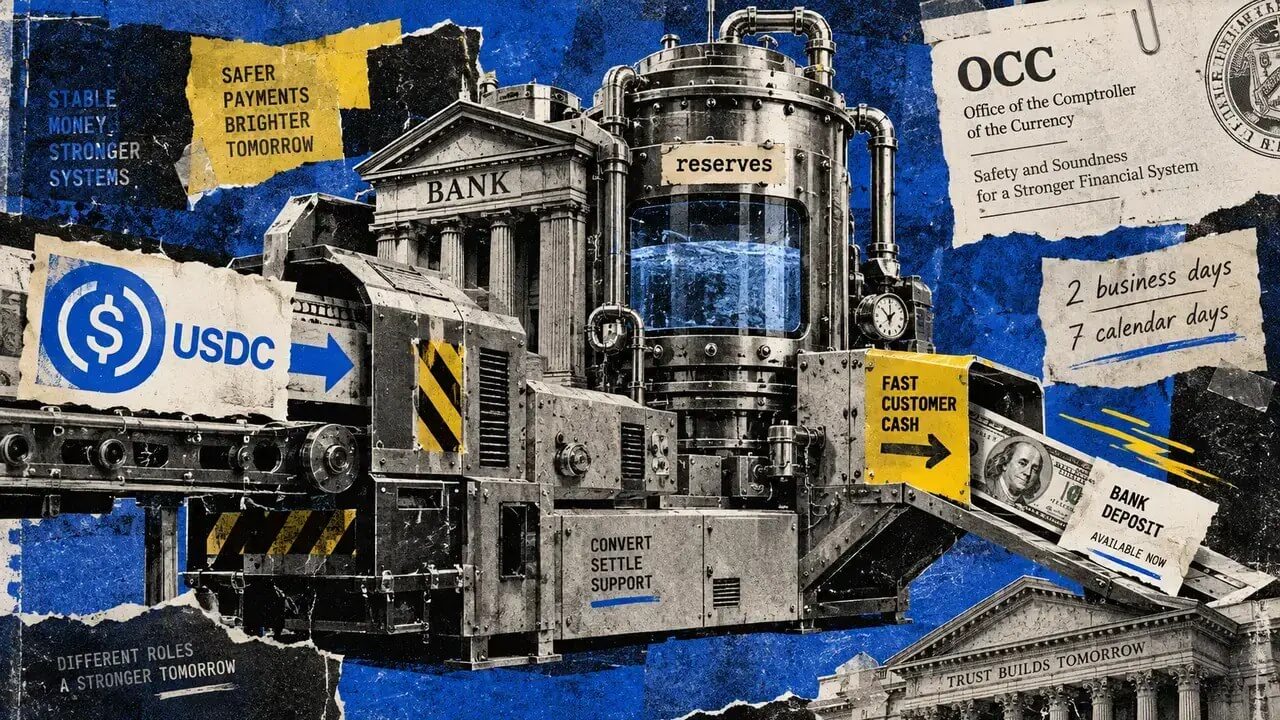
Proposed stablecoin rules might guarantee your dollar while making you wait a week to spend it
When a stablecoin holder receives spendable bank dollars before the issuer redeems the token, a buyer or conversion provider has f...

House lawmakers unveil crypto tax bill with $10 fee exemption ahead of markup
The proposed crypto tax bill could streamline tax obligations for retail users but may limit tax-loss strategies and impact mining...

Congress wants to make crypto easier to use and still collect $500 million more in taxes
A House crypto tax overhaul would raise an estimated $500 million while easing taxes on stablecoin payments and small fees. The Ho...

Did crypto’s $20 Billion DeFi surge just get stolen by price inflation?
The central question behind DeFi's latest rebound is whether protocols gained fresh deployable liquidity or simply more valuable c...

Bitcoin’s newest mobile privacy feature can make your incoming money completely invisible
Silent Payments promise a reusable Bitcoin address without exposing an obvious chain of payments to that address. A sender uses th...
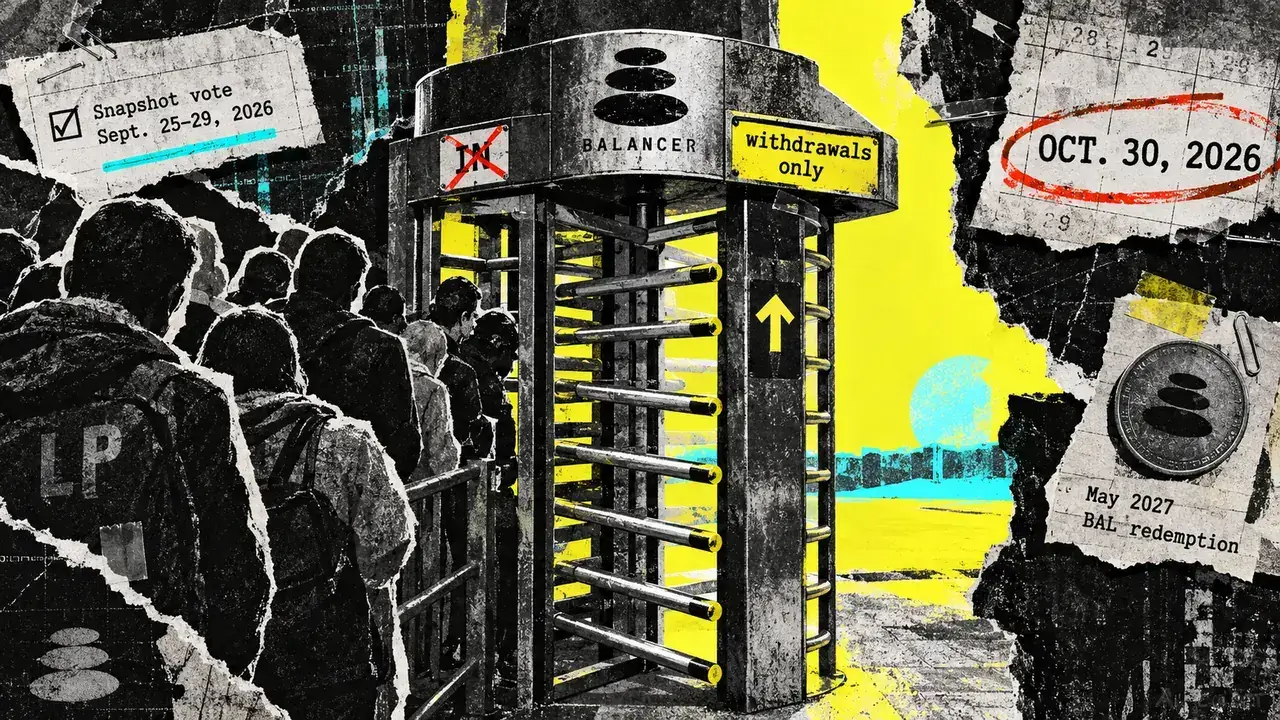
A DeFi giant that once held $3 billion is now proposing to wind itself down
DeFi platform Balancer is proposing an orderly shutdown after a cost-cutting overhaul failed to revive revenue following last year...