Circle Joins Binance-Led Travel Rule Network, Expands Compliance to 100+ VASPs
Key Takeaways: Circle now connects to both TRUST and Binance-led GTR, covering 100+ VASPs for AML/KYC compliance. Strengthens Circle’s multi-network USDC transfer strategy across key markets like Singapore and France. De...
Archive context
Older archive item. Useful for background and entity history, but not a fresh market-moving signal.
Key Takeaways:
- Circle now connects to both TRUST and Binance-led GTR, covering 100+ VASPs for AML/KYC compliance.
- Strengthens Circle’s multi-network USDC transfer strategy across key markets like Singapore and France.
- Deepens cooperation with Binance, HashKey, and other major exchanges to align crypto with global regulations.
Okcoin, the issuer of the USD Coin (USDC), has officially become a GTR Network member- a consortium of VASPs led by Binance, to implement the Global Travel Rule (GTR) and fulfil the expectations of the Financial Action Task Force (FATF). This makes Circle part of the two organizations TRUST and GTR, providing it with one of the busiest compliance platforms in digital assets.
Read More: OKCoin Launches Euro Trading for Bitcoin, Ethereum; Opens Malta Office
Circle Strengthens Multi-Network Compliance InfrastructureThe FATF Travel Rule requires VASPs to share identifying information about the sender and recipient of digital asset transfers above a certain threshold. By joining GTR, Circle adds another secure channel to exchange Travel Rule data, complementing its integration with the TRUST network.
Such simultaneous engagement is especially important as regulators around the globe ramp up the standards on crypto transfers. In Singapore to France, the implementation of the Travel Rule standards is gaining momentum, and those companies that do not comply with standards face a risk of being fined, restricted in operations, or even blocked in the market.
Mandeep Walia, Circle’s Chief Compliance and Risk Officer, emphasized that joining both GTR and TRUST “reinforces the global compliance infrastructure for USDC transactions.” He noted that the integration enables secure, cross-border flows for enterprise payments, fintech platforms, and financial partners.
Binance and HashKey Back a Growing Compliance AllianceGTR network, led by Binance, is becoming one of the foundation blocks to global crypto compliance. The alliance also comprises exchanges such as Binance and HashKey, the key players in the Asian regulatory environment. Circle on board makes the network jump on the credibility scale by having one of the largest stable coin issuer in the network.
Noah Perlman, Binance’s Chief Compliance Officer, said Circle’s entry underscores the mission of creating a “seamless, secure pathway for VASPs to share required data without compromising user privacy.” This balance compliance with data protection has been one of the industry’s toughest challenges.
Jack Wong, Strategic Partnerships Lead at GTR, pointed out Circle being a partner is validation of GTR security-sharing guided data privacy framework. He presented the gesture as a mutual understanding with building an interoperable and secure digital asset ecosystem.
Read More: Binance Review 2025: Is It Legit? What Are Binance Pros and Cons?
What Circle’s Dual Membership Means for CryptoIt is not empty that TRUST and GTR coincide. It gives practical benefits to Circle:
Bisected Jurisdiction: Having access to both networks allows Circle to mitigate jurisdiction-related risks in a greater number of markets, and not be dependent on a single framework.
Wider Collaboration: Increased collaboration with Binance, HashKey and other leading exchanges builds closer integrated relationships within the crypto industry.
In the case of USDC, the second largest stable coin with a market capitalization of over 30 billion, compliance infrastructure is a must. Stablecoins are being applied widely in cross-border settlement, institutional finance, and fintech features. Lapses in compliance may hamper trust and adoption.
A Model for Future Crypto ComplianceCircle’s integration into GTR provides a roadmap for how digital asset companies can manage the growing complexity of regulation. Instead of depending on a single compliance framework, a multi-network approach offers flexibility, interoperability, and scalability.
This infrastructure provides a trusted foundation against which developers creating blockchain and fintech programs can satisfy regulatory requirements and at the same time maintain innovation. Safe data-sharing models also save institutions from taking the costs of compliance, which could lead to a broader entry of more traditional finance participants into the cryptocurrency space.
The analysts have stated that this multiple-networking involvement could not only be on a temporary basis but also could prove to be a long-term trend in the future. Due to the tightening of the global standards by the Financial Action Task Force (FATF), it is possible to expect that more jurisdictions will adopt and actively enforce the Travel Rule criteria. Such a widening of regulation would probably prompt virtual asset service providers (VASPs) to pursue more extensive interoperability and compliance support.
The post Circle Joins Binance-Led Travel Rule Network, Expands Compliance to 100+ VASPs appeared first on CryptoNinjas.
Why this matters
This blockchain story adds another data point to the current market tape and is useful when read alongside nearby source coverage.
Original source
Read on CryptoNinjasRelated market context
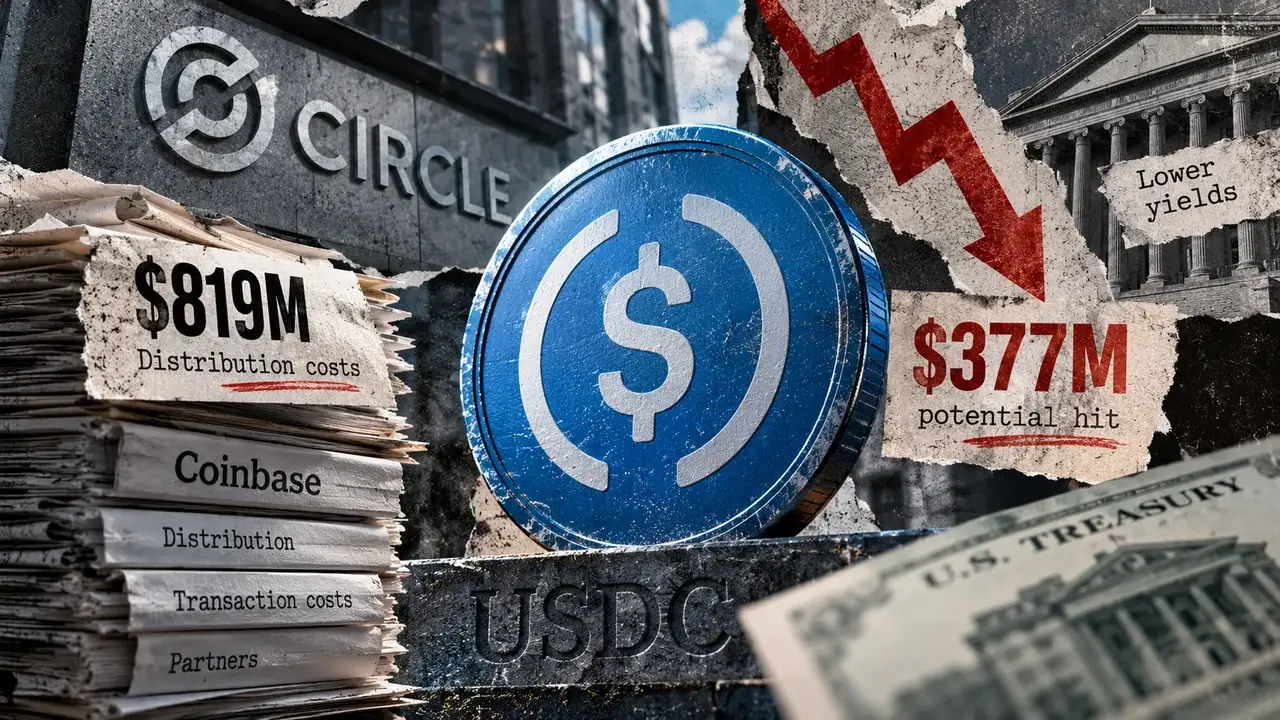
Circle Says 59 Cents of Each Revenue Dollar Went to USDC Partners and Transaction Costs
Circle said it paid about $819 million of its roughly $1.4 billion in first-half 2026 revenue to USDC distribution partners and tr...
The 7 Best USDC on Solana to XMR Swap Platforms in 2026
Swapping USDC on Solana for Monero (XMR) offers a fast, low-cost route into a privacy-focused asset. Leading platforms in 2026 pro...
USDC processed $36 trillion in H1 transactions, but Circle kept just 7 cents of every revenue dollar
Stablecoin issuer Circle spent 93% of its first-half revenue on distribution, operations, and investment as USDC processed more th...
Circle paid $819 million to USDC partners in the first half of 2026
Circle's strategy of high partner payouts for USDC growth may strain margins, impacting long-term sustainability and market expans...
Circle minted another ~750 million USDC on Solana in the last 24 hours
Increased USDC minting on Solana may boost its DeFi activity and influence market perceptions of Solana's growth and competitive s...

Aave V4 opens dollar-euro borrowing on Circle’s Arc network
Aave V4's new feature could enhance euro liquidity in DeFi, testing risk management and potentially influencing stablecoin market...