DeFi Lending Platforms and Yield Farming Strategies
For the past few years, Decentralized Finance (DeFi) has been a buzzword in the cryptocurrency space. DeFi lending platforms and yield farming strategies are two of the most popular DeFi applications. In this article, we...
Archive context
Older archive item. Useful for background and entity history, but not a fresh market-moving signal.

For the past few years, Decentralized Finance (DeFi) has been a buzzword in the cryptocurrency space. DeFi lending platforms and yield farming strategies are two of the most popular DeFi applications. In this article, we'll look at what DeFi lending platforms and yield farming strategies are, how they work, and what the benefits and risks are.
What Are DeFi Lending Platforms?
DeFi lending platforms are decentralized applications (dApps) that enable individuals to lend and borrow cryptocurrencies without the use of third-party intermediaries such as banks. These platforms use smart contracts to automate lending and borrowing processes, and they are built on blockchain technology.
DeFi lending platforms operate by directly connecting lenders and borrowers, with the lending platform serving as a facilitator. The lender transfers their cryptocurrency to the lending platform, which then lends it to borrowers.
The borrower pays interest on the borrowed cryptocurrency, while the lender earns interest on the cryptocurrency they deposit.
DeFi lending platforms have a number of advantages over traditional lending platforms. For starters, they are decentralized, which means they are not governed by a centralized authority, such as a bank.
This reduces the risk of censorship while also providing users with greater security and transparency. Second, because there are no intermediaries, they can offer higher interest rates than traditional lending platforms. Finally, anyone with an internet connection, regardless of location or credit score, can access them.
Aave, Compound, and MakerDAO are some popular DeFi lending platforms.
What Is Yield Farming?
Yield farming is a DeFi strategy in which cryptocurrencies are staked or lent in order to earn rewards in the form of additional cryptocurrency tokens. To maximize their rewards, yield farmers typically move their cryptocurrency between different DeFi protocols.
Yield farming is accomplished through the use of liquidity pools, which are pools of cryptocurrencies used to provide liquidity for DeFi applications.
Yield farmers contribute liquidity to these pools by depositing cryptocurrency, which is then used by the DeFi app. In exchange, the yield farmer receives a portion of the application's fees.
Farmers who stake their cryptocurrency in governance protocols can also earn rewards. Users can vote on proposals to change the parameters of a governance protocol, such as interest rates or reward allocation.
Yield farmers who stake their cryptocurrency in governance protocols receive additional tokens as a reward.
The Advantages and Disadvantages of DeFi Lending Platforms and Yield Farming
DeFi lending platforms and yield farming have several advantages, but they also have risks.
Benefits
Higher interest rates: Because there are no intermediaries, DeFi lending platforms offer higher interest rates than traditional lending platforms.
Accessibility: Anyone with an internet connection, regardless of location or credit score, can use DeFi lending platforms and yield farming.
Transparency: Because DeFi lending platforms and yield farming are decentralized, users have greater security and transparency.
Users can earn rewards in the form of additional cryptocurrency tokens through yield farming.
Risks
Volatility: Because cryptocurrency is highly volatile, the value of cryptocurrency deposited on DeFi lending platforms can fluctuate rapidly.
DeFi lending platforms and yield farming rely on smart contracts, which are self-executing contracts with the terms of the agreement written directly into code. Smart contracts are not perfect and are susceptible to bugs, hacks, and exploits.
Yield farming is dependent on liquidity pools, which can experience liquidity shortages or price fluctuations.
Regulatory risk: DeFi lending platforms and yield farming are still in their early stages, and regulatory frameworks are being developed. There is a chance that regulatory bodies will restrict or prohibit these activities.
Building a Successful Yield Farming Strategy
Yield farming is a relatively new trend in the world of decentralized finance (DeFi), but it has already gained a lot of attention from investors looking to maximize their returns. Put simply, yield farming involves lending out cryptocurrency in order to earn interest or reward tokens in return. However, as with any investment strategy, there are risks involved. Here are 5 elements which go into building a successful yield farming strategy:
Diversify Your Portfolio
One of the most important strategies for successful yield farming is to diversify your portfolio. This means spreading your investments across different platforms and tokens. By diversifying, you can reduce your exposure to any single asset or platform, which can help to mitigate risk. It's important to do your research and choose platforms and tokens that have a strong track record and are backed by reputable teams.
Use Reputable Platforms
When it comes to yield farming, it's crucial to use reputable platforms. There have been cases of some platforms being hacked or experiencing technical difficulties, resulting in investors losing their funds. Make sure to choose platforms that have a strong reputation in the DeFi community and a track record of security and reliability.
Understand the Risks
While yield farming can be a lucrative investment strategy, it's important to understand the risks involved. The value of cryptocurrencies can be volatile, and the DeFi space is still relatively new and untested. As with any investment, it's important to do your due diligence and understand the risks involved before investing your money.
Consider Staking
Another successful yield farming strategy is staking. Staking involves locking up your cryptocurrency in order to help secure the network and earn rewards in return. This can help to increase the value of your investment, as well as provide a steady stream of income. However, it's important to choose a reputable staking platform and do your research to ensure that you are earning a fair rate of return.
Keep an Eye on Market Trends
Finally, it's important to keep an eye on market trends when yield farming. The DeFi space is constantly evolving, and new platforms and tokens are being introduced all the time. By staying up to date with the latest trends and developments, you can position yourself to take advantage of new opportunities and maximize your returns.
Conclusion
DeFi lending platforms and yield farming are exciting blockchain applications that provide users with higher interest rates, accessibility, and transparency.
However, they do come with risks such as volatility, smart contract risk, liquidity risk, and regulatory risk. Before investing in DeFi lending platforms or yield farming, it is critical to understand these risks.
Investors interested in DeFi lending platforms and yield farming should do their homework and select reputable platforms with a proven track record. They should also diversify their investments rather than concentrate all of their cryptocurrency in a single platform or protocol.
Finally, DeFi lending platforms and yield farming have transformed the way we think about lending and borrowing by providing users with higher interest rates, accessibility, and transparency.
They do, however, carry risks, and investors should proceed with caution and conduct research before investing. DeFi lending platforms and yield farming can be profitable investment strategies for savvy cryptocurrency investors with careful consideration and proper risk management.
This article was written by Finance Magnates Staff at www.financemagnates.com.Why this matters
This blockchain story adds another data point to the current market tape and is useful when read alongside nearby source coverage.
Original source
Read on Finance MagnatesRelated market context

Kraken Launches xStocks Vaults With Up to 2% Yield on Tokenized Stocks and ETFs Now
Key Takeaways: Kraken introduces xStocks Vaults to earn onchain yield on tokenized exposure to SPY, Nasdaq-100 and NVIDIA. Users c...

Did crypto’s $20 Billion DeFi surge just get stolen by price inflation?
The central question behind DeFi's latest rebound is whether protocols gained fresh deployable liquidity or simply more valuable c...
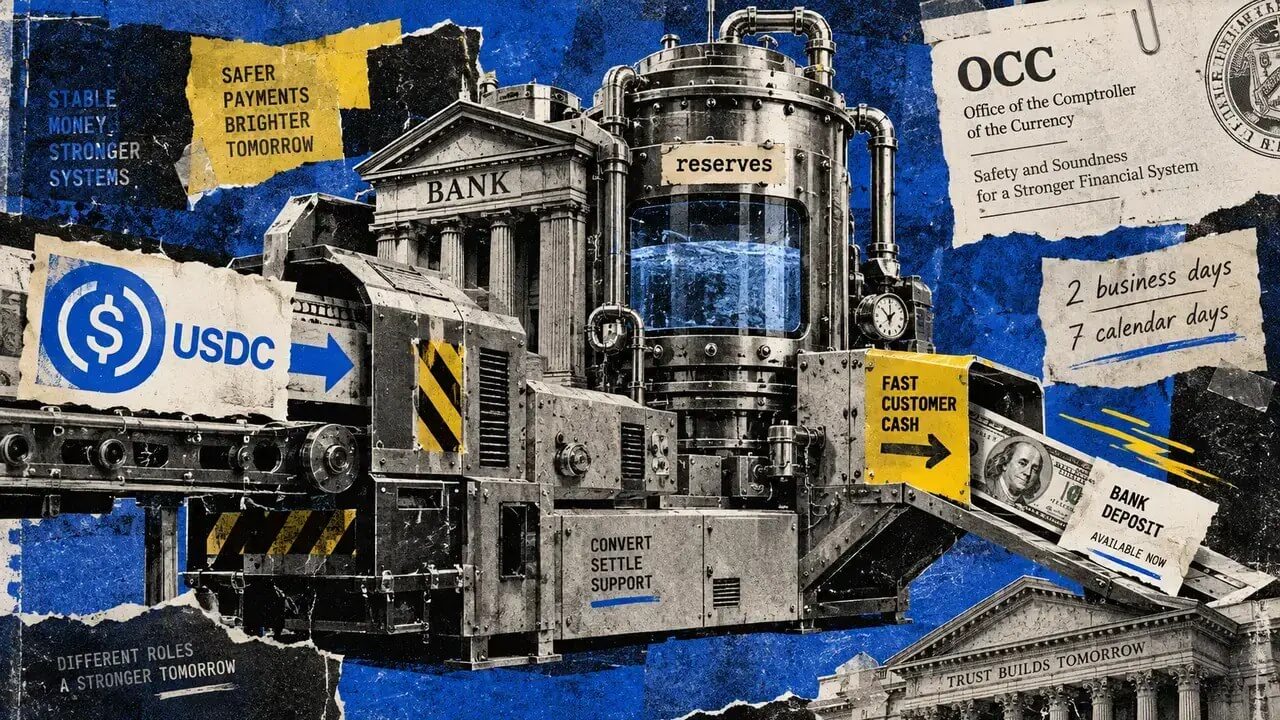
Proposed stablecoin rules might guarantee your dollar while making you wait a week to spend it
When a stablecoin holder receives spendable bank dollars before the issuer redeems the token, a buyer or conversion provider has f...

XRP holders could earn new yield, but getting out may take up to 60 days
Firelight is preparing to turn XRP-linked assets into capital that backs protection for DeFi users, offering holders a new source...
Kraken brings DeFi yield to tokenized stocks and ETFs
Kraken’s new xStocks vaults let investors earn yield on tokenized versions of Nvidia and major US stock market ETFs by lending the...
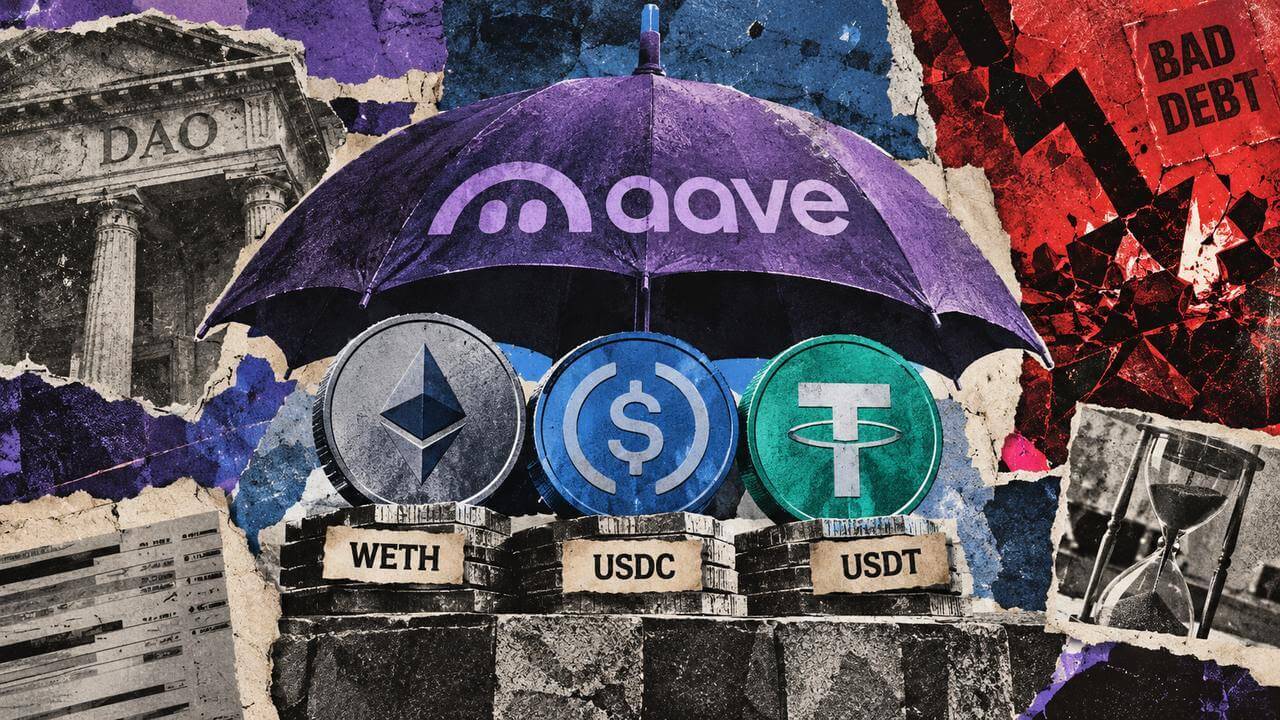
Aave V4 proposal would put DAO funds first in line to absorb lending losses
Aave V4 lenders supplying wrapped Ether (WETH), USDC or USDT to its Core liquidity Hub on Ethereum would receive a bad-debt backst...