EU Regulator Drops The Bomb On DeFi
It has been just revealed that an important EU regulator has just warned of important DeFi risks. Check out the latest reports about this below. DeFi risks addressed The European Securities and Markets Authority has rele...
Archive context
Older archive item. Useful for background and entity history, but not a fresh market-moving signal.

It has been just revealed that an important EU regulator has just warned of important DeFi risks. Check out the latest reports about this below.
DeFi risks addressedThe European Securities and Markets Authority has released a report that outlines several risks to investors and financial stability that arise from decentralized finance.
Despite DeFi’s overall small exposure to investors, the report warns that there are serious risks to investor protection due to the highly speculative nature of many DeFi arrangements, significant operational and security vulnerabilities, and the absence of a clearly identified responsible party.
The independent EU authority cautioned that DeFi operates without trusted intermediaries, which could otherwise help mitigate risks related to financial stability and investor protection.
The report, which was published on Wednesday, highlighted the regulator’s primary concerns regarding DeFi innovations. It classified smart contracts into five categories to assist regulators in comprehending the “enormous technological complexity of these systems.”
Risks posed by DeFiThe report highlights concerns about the “code is law” ethos that dominates current DeFi governance.
The regulator stated that smart contracts still lack regulation and follow the principle that “code is law”, which leads to a tendency to accept smart contract outcomes without considering any moral or legal implications.
The study acknowledges that DeFi’s automated and immutable functions pose less risk to counterparties defaulting compared to traditional settlement.
However, it emphasizes that developer anonymity can result in a proliferation of illicit smart contracts.
According to the paper, the anonymity of smart contract developers and their lack of accountability have led to the rise of “illicit” smart contracts, such as Ponzi schemes.
The regulator said the composability of smart contracts could amplify system faults and lead to increased contagion risk, as noted by The Block.
“The composability feature of smart contracts, which allows for DeFi protocols to build on top of each other, enabling a variety of services for users, also creates dependencies among protocols, leading to a risk of contagion,” the paper added. “The default of one actor can quickly propagate through the system.”
Why this matters
This blockchain story adds another data point to the current market tape and is useful when read alongside nearby source coverage.
Original source
Read on CryptoGazetteRelated market context
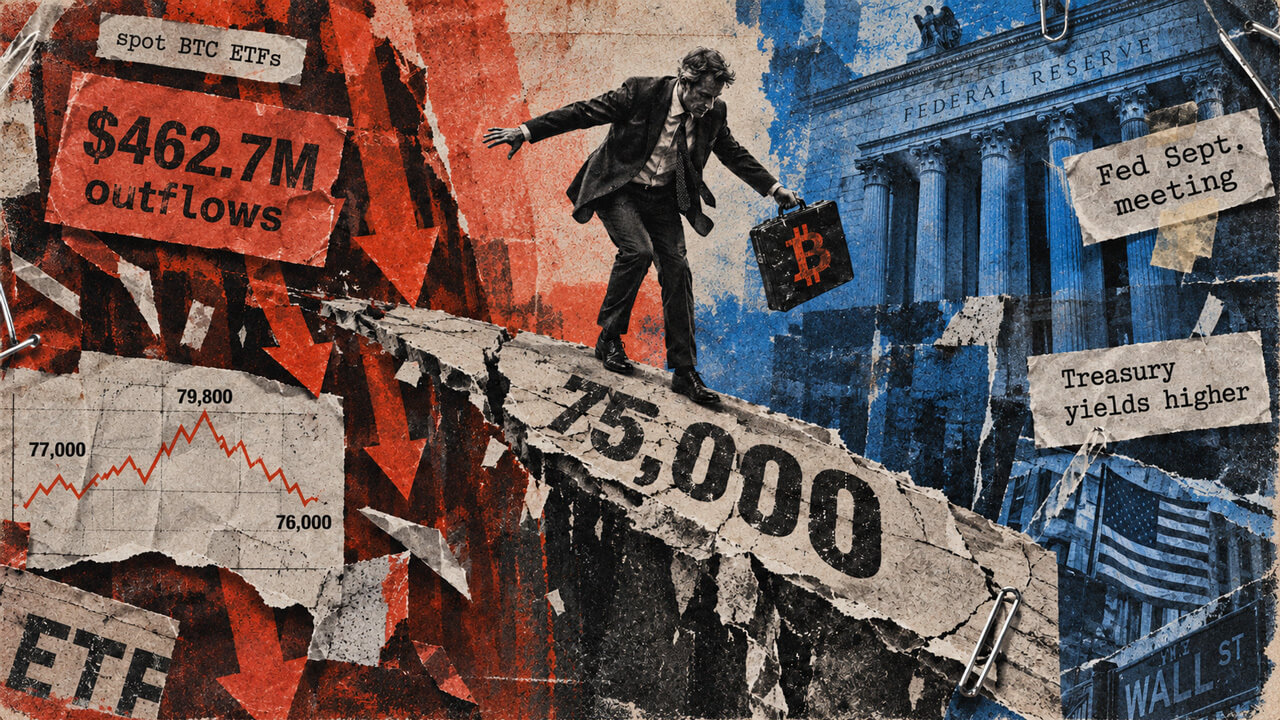
Bitcoin ETFs just lost $463 million as the Fed puts BTC at risk of losing $75,000
US spot Bitcoin exchange-traded funds (ETFs) posted $462.7 million in weekly outflows, ending a three-week stretch of heavy invest...

Kraken Lets Users Earn DeFi Yield on Nvidia and ETF xStocks
Kraken has launched on-chain yield vaults for three tokenised securities, enabling qualified clients to earn variable rewards from...
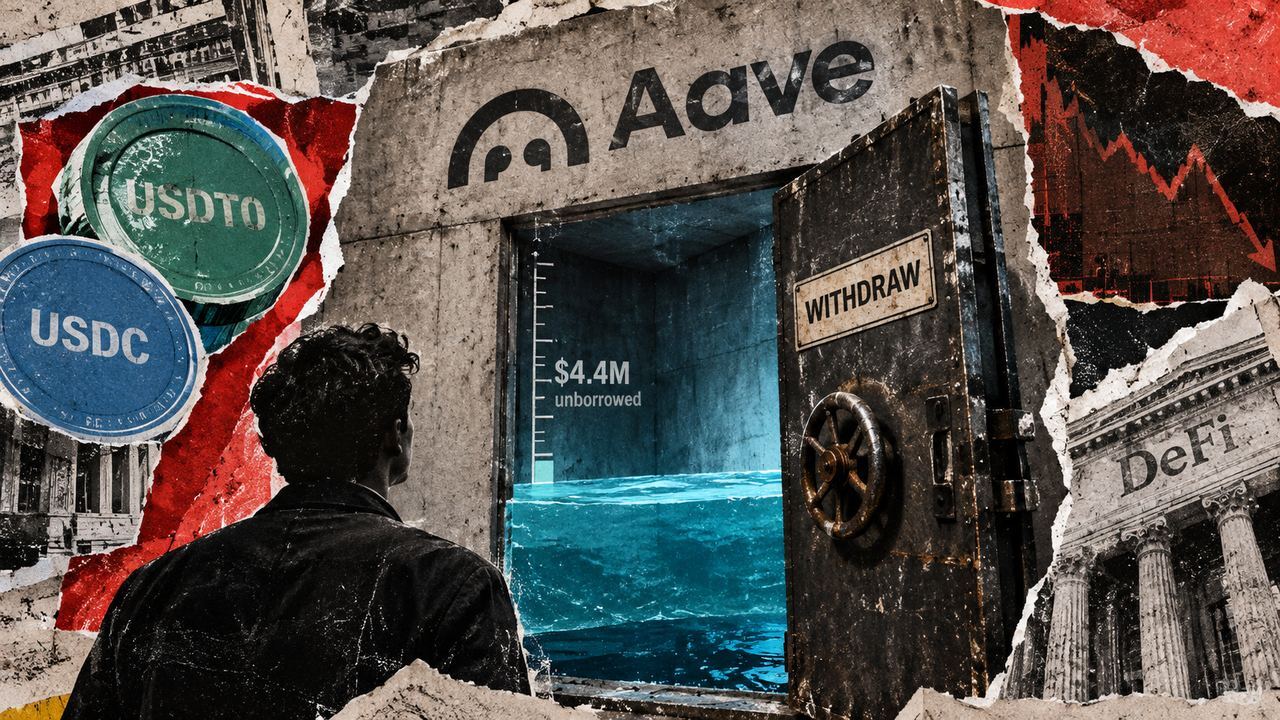
$55 million Aave stablecoin pool sees just $4.4 million available for withdrawals
Aave's USDT0 stablecoin lending pool on the Monad network displayed a 6.10% annual percentage rate over the weekend, but only abou...

Treasury Secretary Bessent calls for passage of Crypto Clarity Act, warns US risks losing global tech race
The US risks falling behind in tech innovation without clear crypto regulations, potentially losing economic opportunities to more...

Argentina to require crypto platforms to report user data to local tax authority
Argentina's new crypto reporting rules could enhance tax compliance and international data sharing, impacting user privacy and pla...

Bitcoin Price Signal Upside as Rally Meets Fed Risk
Bitcoin price has clawed back to above $70,000 from $60,000 in late August, and traders are now assigning an approximately 85% pro...