Federal Reserve: Brings Paper on Benefits of Tokenization of Real-World Assets
Recent reports indicate that the Federal Reserve has released a paper that delves into the advantages and practical applications of converting real-world assets (RWA) into digital tokens on blockchain networks. A new pap...
Archive context
Older archive item. Useful for background and entity history, but not a fresh market-moving signal.

Recent reports indicate that the Federal Reserve has released a paper that delves into the advantages and practical applications of converting real-world assets (RWA) into digital tokens on blockchain networks.
A new paper makes waves in the crypto spaceThe paper, titled “Tokenization: Overview and Financial Stability Implications,” reveals that RWAs including stocks, bonds, real estate, and commodities are already being tokenized.
The researchers from the Fed explain that asset tokenization leverages blockchain technology to provide numerous benefits.
The paper stated the following:
“Tokenizations have the potential to provide a variety of benefits, including granting investors access to markets that are otherwise inaccessible or costly to enter. For example, real estate tokenizations might allow for investment in a fraction of the underlying asset, with investors able to purchase shares in specific commercial buildings or residential investments, as opposed to real estate investment trusts (REITs) where investors own shares of a portfolio of real estate investments.”
The notes continued and said this:
“More generally, the programmability of crypto tokens and the ability to leverage smart contracts, allows for additional features that can be embedded into the tokenized asset which might also benefit markets for the underlying reference assets.
For example, liquidity-saving mechanisms could be implemented in the settlement of the tokenized asset even if they are not implementable for its real-world counterpart.
These attributes might lower barriers to entry for a wider set of investors, resulting in more competitive and liquid markets, and better price discovery.”
According to the Fed, although tokenization is still a new concept, it has the potential to play a significant role in the crypto ecosystem.
The researchers suggest that tokenization could gain popularity by making it easier for more people to access certain markets, leading to increased liquidity.
However, at this stage, tokenization is still relatively small in scale compared to the market size of each reference asset.
Why this matters
This blockchain story adds another data point to the current market tape and is useful when read alongside nearby source coverage.
Original source
Read on CryptoGazetteRelated market context

Centrifuge assets go live on X Layer, expanding DeFi access to tokenized Treasuries and CLOs
Centrifuge's integration on X Layer enhances DeFi's appeal by bridging traditional finance with blockchain, potentially reshaping...

Plume Network general counsel outlines tokenization’s benefits in Bitcoin Suisse wealth report
Tokenization's rise could redefine asset management, enhancing efficiency, transparency, and global competitiveness in financial m...

Solana News: Tokenized-Stock Footprint Passes 800,000 Addresses
Solana’s tokenized stockholder addresses climbed to 801,439 by the end of last week, up 88% from 424,894 at the start of the month...

BlackRock’s digital assets chief to speak at Bitcoin Treasuries Conference in New York City
BlackRock's involvement signals growing institutional interest in Bitcoin, potentially influencing corporate strategies and market...
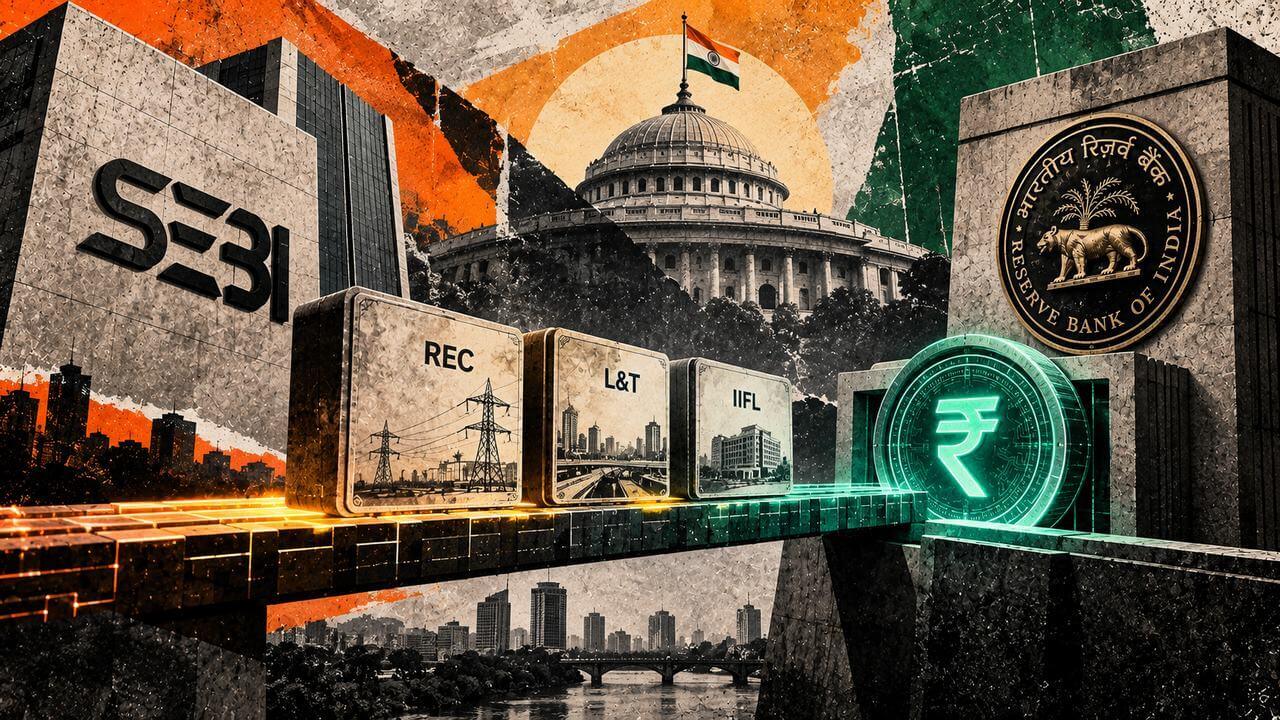
India’s tokenized bond pilot starts with institutions, with retail access planned next
India’s securities regulator has launched a pilot that places corporate bonds and their cash settlement on linked digital rails, m...
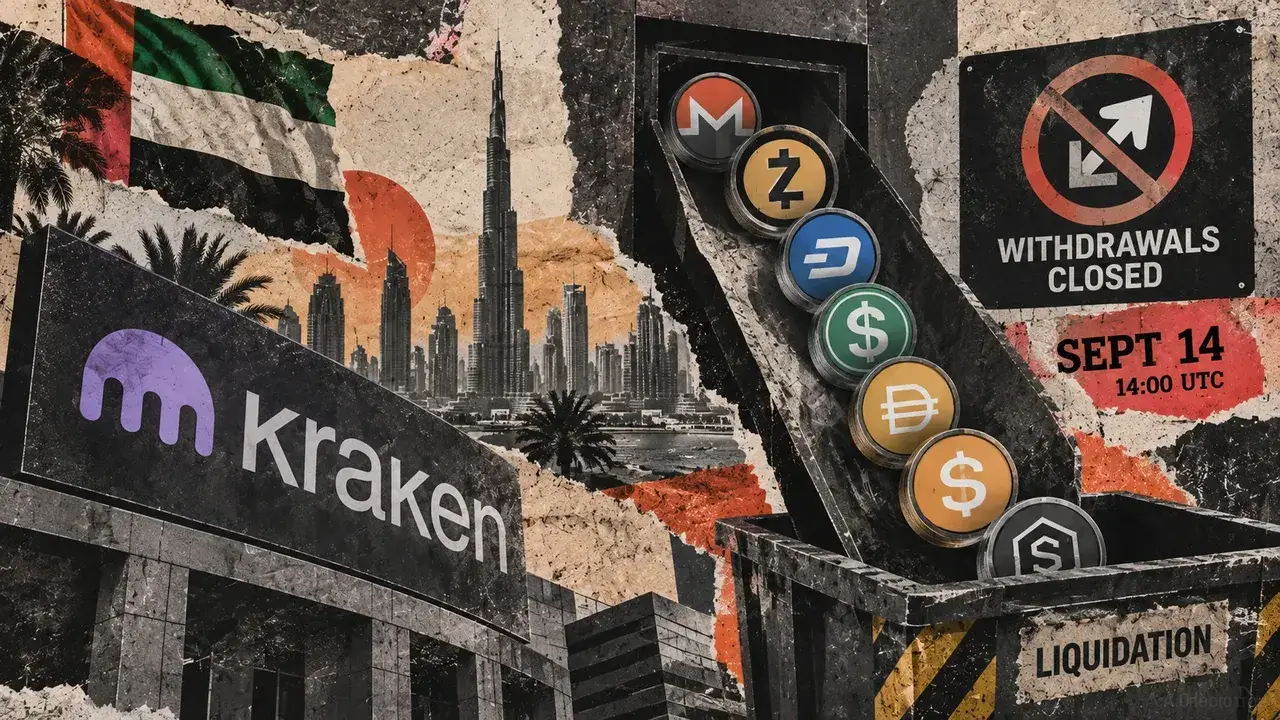
Seven assets enter Kraken liquidation window after withdrawals close Monday
Kraken will close withdrawals for seven crypto assets held by its United Arab Emirates customers at 14:00 UTC on Monday, Sept. 14,...