HashStack Addresses DeFi Loan Collateralization Inefficiences And Improves Asset Utilization
Hashstack aims to disrupt and improve the appeal of decentralized borrowing and lending. Users can access under-collateralized loans through its Open Protocol at a 1:3 collateral-to-loan ratio. It is a welcome change for...
Archive context
Older archive item. Useful for background and entity history, but not a fresh market-moving signal.

Hashstack aims to disrupt and improve the appeal of decentralized borrowing and lending. Users can access under-collateralized loans through its Open Protocol at a 1:3 collateral-to-loan ratio. It is a welcome change for the broader DeFi industry, as current collateralization rates remain too high.
Adjusting Loan Collateralization In DeFiIn traditional finance, one can obtain a loan if they have a fraction of the borrowed amount to put up as collateral. One would expect the same to apply to decentralized finance, yet that is not the case. Instead, users often put up 150% – or more – of the amount they want to borrow. If one has more liquidity than is needed to borrow, it doesn’t make much sense to take out a loan.
Unfortunately, the high loan collateralization rates are a standard in decentralized finance. The use of volatile crypto assets warrants a “buffer” of sorts. Markets can turn around on a dime and will often turn bearish when people least expect it. That process devalues the collateral and loan ratio, forcing protocols to adopt a very cautious approach. Thankfully, things will improve soon through Open Protocol.
The new DeFi protocol, designed by the Hashstack team, will introduce new loan collateralization opportunities. Users have to put up one-third of the amount they want to borrow, introducing undercollateralized loans to a global audience. Moreover, users can withdraw 70% of their collateral after acquiring a loan and use the remaining funds as working capital on the platform.
Moreover, Hashstack introduces a new mechanism for the eternal scalability of storage and logic of smart contracts. That will catalyze the utilization of the trading capital locked within the Open Protocol. The mechanism will be submitted as an Ethereum Improvement Proposal – EIP-9000 – and foster secure and upgradeable smart contract deployment. A welcome change for DeFi, as Hashstack can integrate an unlimited number of dApps with Open Protocol without making any major changes to existing projects.
Open Protocol Public Testnet LaunchThe solution by Hashstack is currently live on the public testnet. Users can experiment with Open Protocol and provide feedback to enhance the appeal of this new protocol. The team has worked hard on an improved user interface, combining base interest rates summed with an algorithmic determinant kept constant for up to seven days, and improved transparency.
Hashstack Finance Founder Vinay Kumar comments:
“Our public testnet has attracted over US$5 million in total value locked (TVL) immediately after going live. The public testnet release marks a significant accomplishment in Hashstack’s roadmap as we prepare to launch the Open Protocol mainnet later in the second quarter of 2022.”
The new loan collateralization ratio maintained by open Protocol hints at a bright future for decentralized finance. However, the industry still suffers from many inefficiencies that need to be resolved. Open Protocol addresses some of those pain points, including enhancing effective asset utilization and compartmentalizing APY and APR.
It will be interesting to see which Dapps integrate with Hashstack and Open Protocol. PancakeSwap has been confirmed, and will improve loan utilization as borrowers can swap borrowed assets for any other crypto asset within the same interface. For now, Open Protocol focuses on BTC, SUDT, USDC, BNB, and HASH, with more tokens to be added in the future.
Why this matters
This blockchain story adds another data point to the current market tape and is useful when read alongside nearby source coverage.
Original source
Read on NewsBTCRelated market context
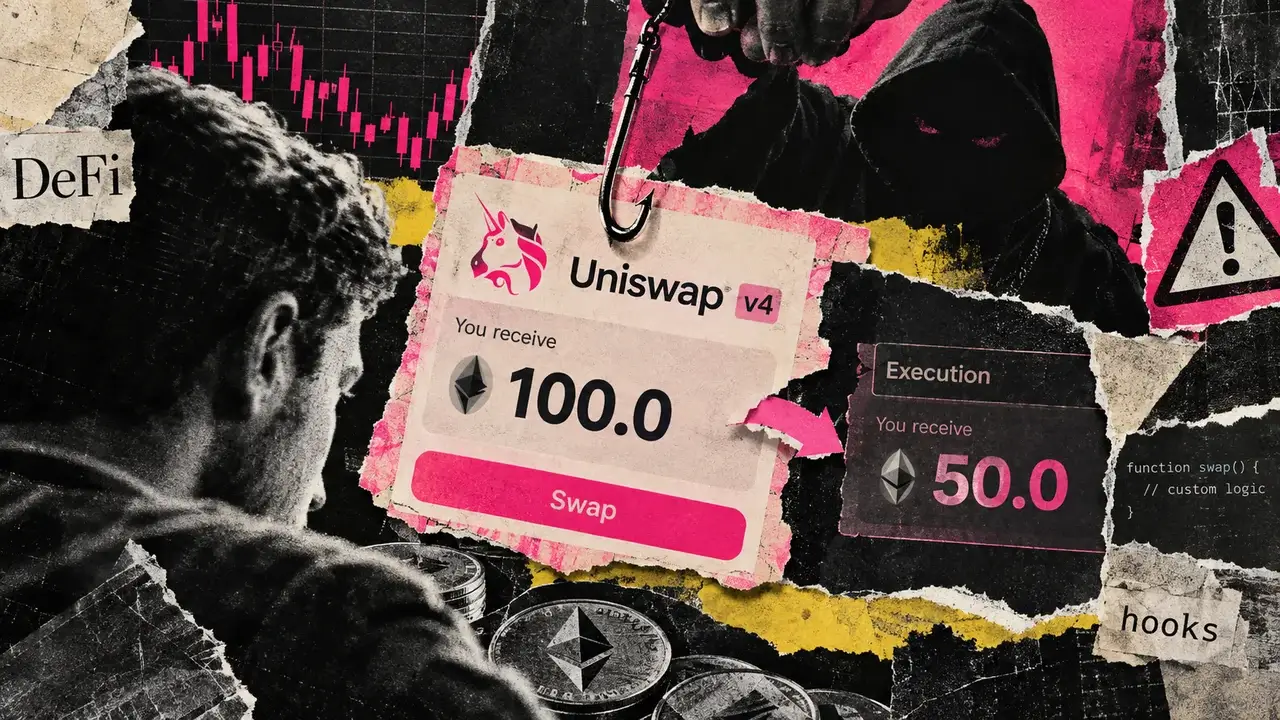
Malicious Uniswap v4 hooks are baiting DeFi traders with fake swap quotes
Liquidity aggregator 0x said on Sept. 14 that it had seen an alarming increase in malicious Uniswap v4 hooks over recent weeks, de...
KuCoin Opens Managed Portfolios to Users with Deposits from 100 USDT
KuCoin is offering eligible users access to professionally managed portfolios starting at 100 USDT; customers can subscribe to a s...
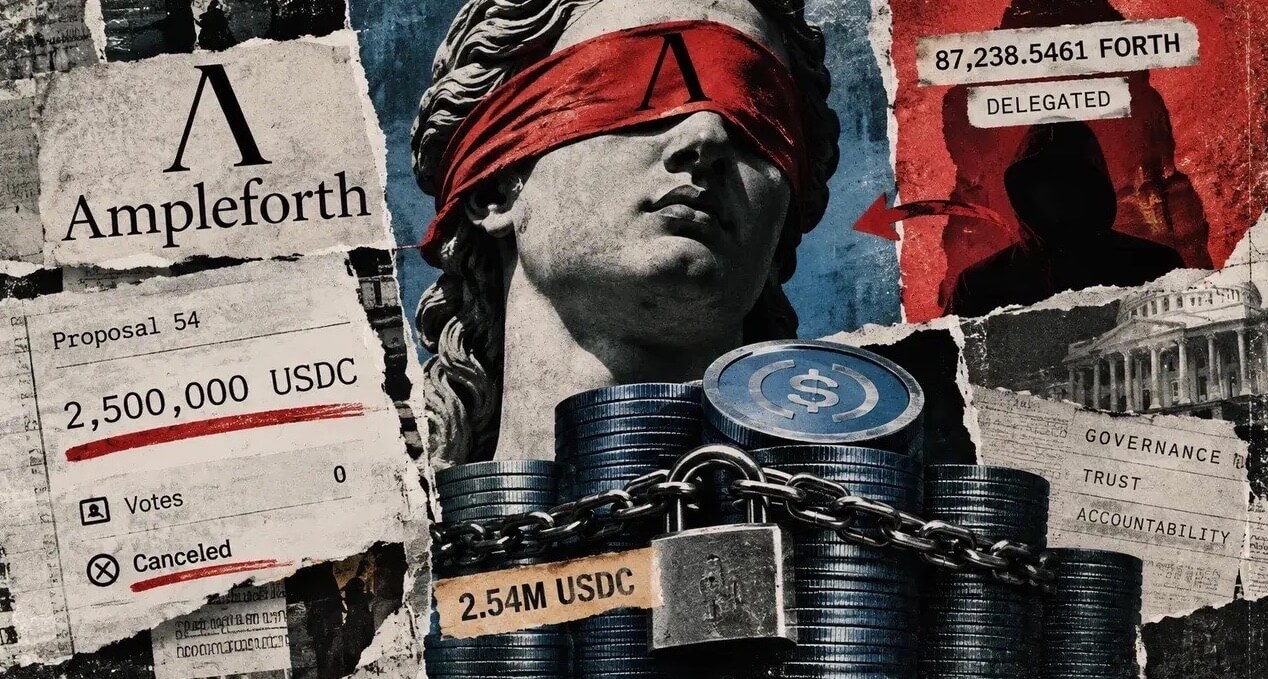
DeFi governance gap allows one wallet to request 98% of Ampleforth treasury’s USDC balance
Ampleforth, a DeFi protocol governed by FORTH token holders, saw Proposal 54 canceled on-chain before its voting window opened. Th...

TheDAO Security Fund Opens $1.8 Million Round Two for ‘Ethereum’s Security To-Do List’
TheDAO Security Fund opened the second round of its ETHSecurity Initiatives program on Tuesday, publishing a crowdsourced board of...
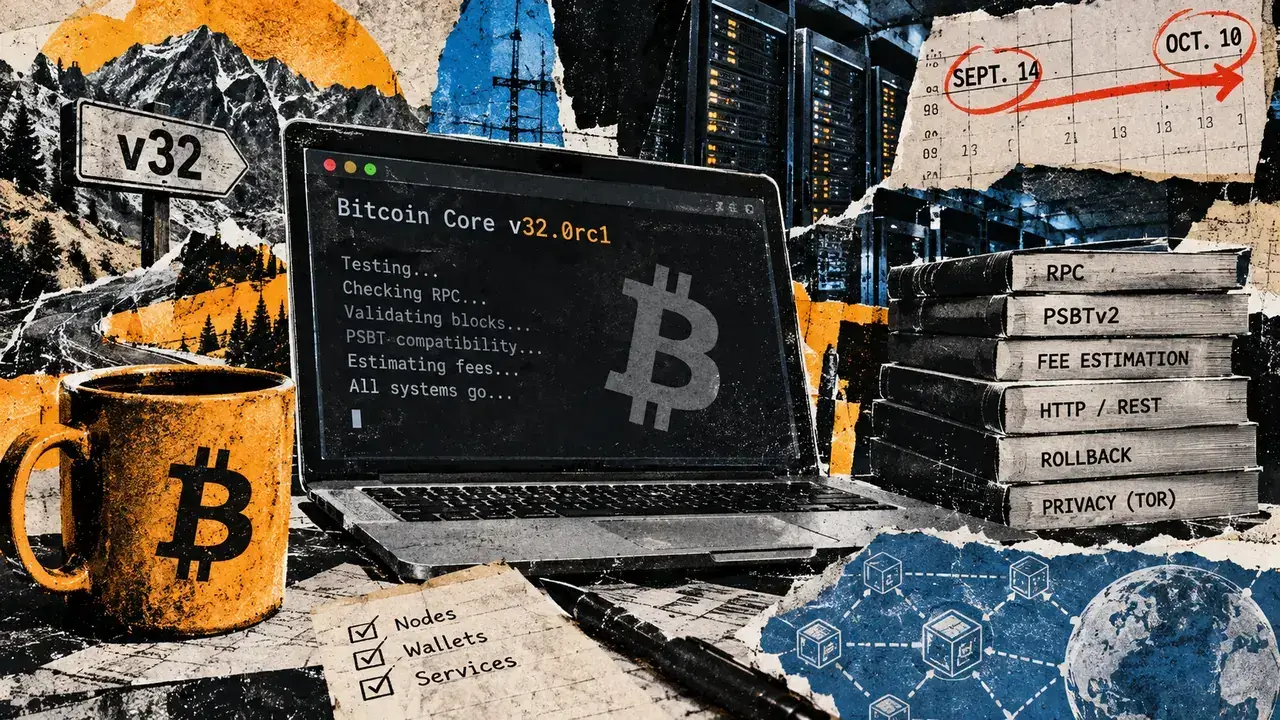
Major Bitcoin Core update changes default wallet protocols, risking temporary disruption across popular apps
Bitcoin Core v32.0rc1 has turned the Sept. 14–Oct. 10 window into a concentrated compatibility test for node operators, wallet pro...

Did crypto’s $20 Billion DeFi surge just get stolen by price inflation?
The central question behind DeFi's latest rebound is whether protocols gained fresh deployable liquidity or simply more valuable c...