Japan Officially Classifies Crypto as Financial Instruments
Key Takeaways: Japan grants approval to legal amendment to control crypto as financial instruments under securities law Insider trading will be prohibited and remain, and there will be annual disclosures to enhance inves...
Archive context
Older archive item. Useful for background and entity history, but not a fresh market-moving signal.

Key Takeaways:
- Japan grants approval to legal amendment to control crypto as financial instruments under securities law
- Insider trading will be prohibited and remain, and there will be annual disclosures to enhance investor protection
- Stiffer fines are an indicator of greater regulation with crypto taking on more of the appearance of regulated capital markets
Japan is rapidly advancing towards tight control over crypto and aligning the industry with traditional finance. A new amendment approved by the Cabinet will redefine how digital assets are treated under the law.
Read More: Japan Signals Crypto ETF Greenlight by 2028 as $6.4B Market Draws Nomura, SBI
Crypto Moves Under Japan’s Securities FrameworkThe Japanese government has approved revisions to the Financial Instruments and Exchange Act, marking the first time cryptocurrencies will be regulated as financial products.
This shift turns crypto out of the former category of a payment. Until now, regulators focused on its use in transactions under a separate legal framework. That approach no longer fits current market behavior.
Investment activity has surged in recent years. Cryptos are viewed as a subset of the overall financial system, and not only as a payment tool by authorities. It is likely to become effective in the fiscal year 2027 in case it is passed through parliament by the amendment.
Read More: Bybit to Exit Japan: Crypto Giant Halts Services, Imposes Account Curbs From 2026
New Rules Target Market Abuse and TransparencyIn the new legislation, there are new controls with an aim to enhance market integrity. A formal prohibition of insider trading in crypto markets is one of the largest modifications. Any trading on undisclosed information will henceforth be like a serious crime as in the case of infractions in stock markets.
Annual Disclosure Requirements for IssuersCryptocurrency issuers will be mandated to the publication of yearly disclosure at least once a year. This contains important data capable of assisting investors to evaluate risks and the feasibility of projects. This is straightforward: to minimize any information asymmetry and open up the market.
Enforcement is also being tightened by authorities. In business, those who conduct their businesses without the necessary registration will be penalized much more.
Maximum prison sentences for illegal operations could increase from three years to as much as ten. Financial penalties are also rising sharply, with fines climbing from a few million yen to much higher thresholds.
Stronger Enforcement Signals Regulatory ShiftJapan is not just updating definitions. It is strengthening enforcement across the board.
Making crypto service providers a more accurately reflecting title in the regulators would be more accurate, based on the role in trading and market operations. This is an indication that the industry is moving to a more organized and professional organization.
According to officials, the reforms will increase access to growth capital and be just and transparent. The government is also interested in putting a less risky environment to the retail and institutional investors.
The post Japan Officially Classifies Crypto as Financial Instruments appeared first on CryptoNinjas.
Why this matters
Bybit is showing up inside the Regulation theme, so this story is worth tracking for follow-through rather than treating it as a one-off headline.
Original source
Read on CryptoNinjasRelated market context

Stealing $1.5B in crypto is easy, cashing out is the trap
North Korean hackers stole around $1.5 billion from Bybit in February 2025. While the hack itself has been widely covered and anal...

Most Tokenized Stock Trading Happens Outside U.S. Market Hours, IMF Finds
More than half of all trading in tokenized U.S. stocks happens while Wall Street is closed, according to new data from the Interna...
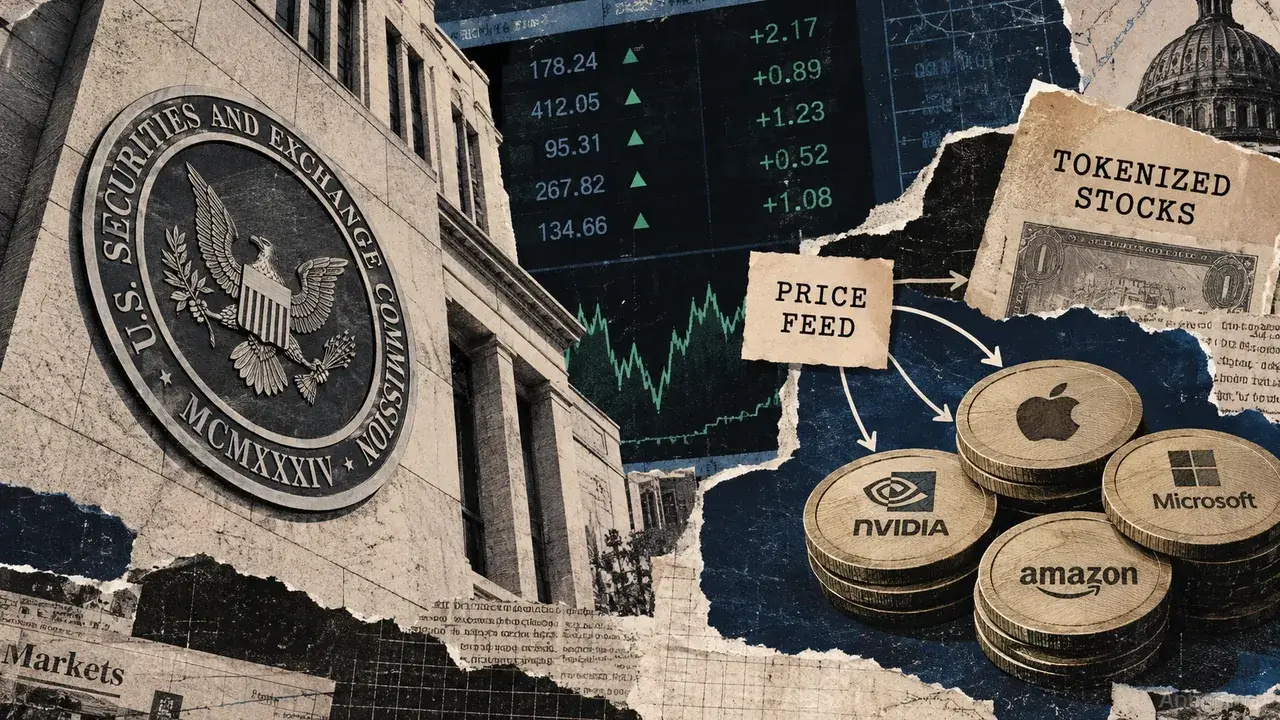
Tokenized stocks can carry the same rights without the same trading protections
Tokenized stocks eligible for the SEC’s September exemption must carry equivalent shareholder rights, yet their trading venues can...

Crypto Exchange Bybit Moves From Stock CFDs to Real US Shares
Bybit opened trading in more than 1,000 US-listed stocks and exchange-traded funds today (Monday), with purchases paid in the USDC...
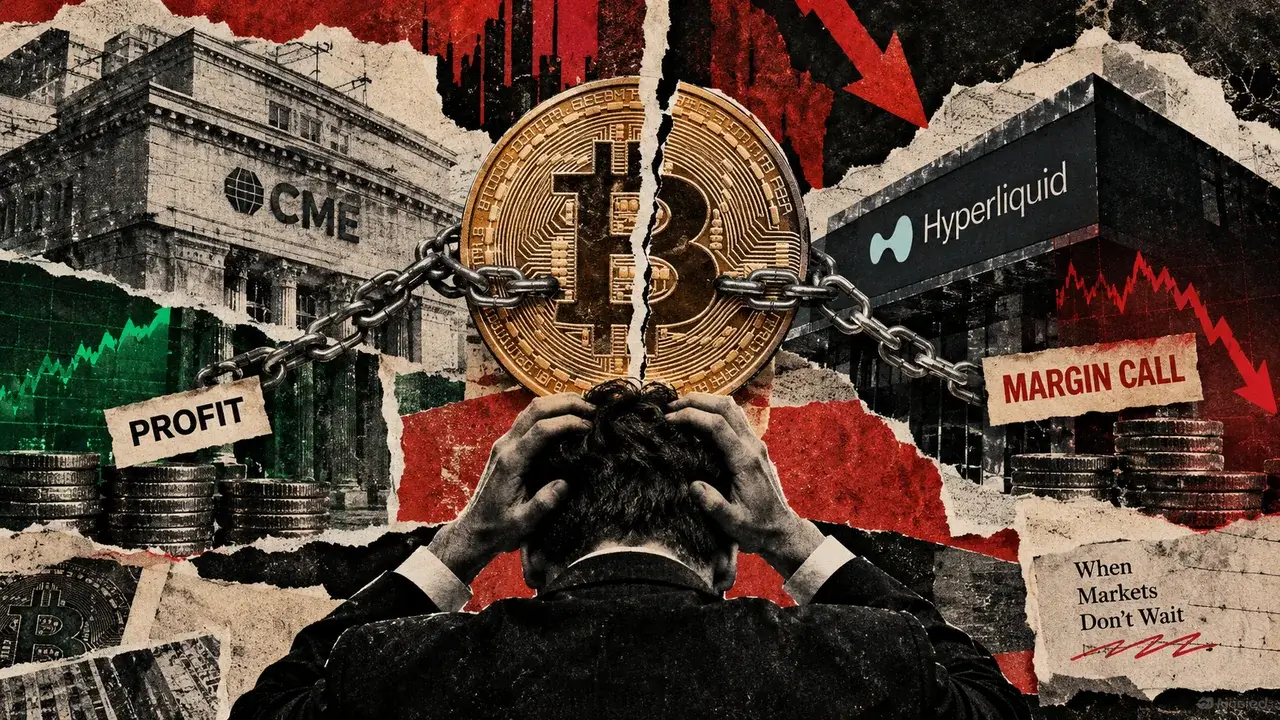
Bitcoin hedge funds face a liquidation trap when their collateral is split across markets
Here's a hypothetical situation: a hedge fund is making money, but one of its exchanges is about to liquidate its position anyway....

What Is Crypto Spot Trading?
For example, a token can be up 70% and still be a terrible trade if you have no idea when to take profits. Likewise, a 30% dip can...