Pocket DAO Passes Two Key Proposals on Node Incentives
PRESS RELEASE. Pocket Network, a decentralized Web3 infrastructure provider that services blockchain data requests for applications and developers, is implementing key protocol changes after its community DAO voters rall...
Archive context
Older archive item. Useful for background and entity history, but not a fresh market-moving signal.
PRESS RELEASE. Pocket Network, a decentralized Web3 infrastructure provider that services blockchain data requests for applications and developers, is implementing key protocol changes after its community DAO voters rallied to boost network efficiency and bring costs down. As of late June, the Pocket DAO has passed two proposals with significant impacts on the incentive structure for nodes participating in Pocket Network’s protocol.
Pocket’s protocol is serving approximately 1 billion RPC requests every day, and is on course towards a goal of supporting 100 blockchains before year-end. At the same time, as Pocket Network has seen explosive growth in the number of active nodes on the network (all the way up to almost 50,000 nodes in May of this year), infrastructure costs of the protocol have risen as well.
Thanks to some of the highest levels of engagement out of any past proposals in the Pocket DAO, voters and commenters took on this economic challenge on two separate fronts: by implementing stake-weighted servicer node rewards, and by increasing validator node rewards by a factor of five.
The evolution of these two proposals was a case study in effective DAO governance, and included amendments to original proposals, discussions of exact parameters, economic modeling and forecasting, lively debate on alternatives, and even a discussion of the constitutionality of DAO proposals. Over the course of multiple weeks of active community debate and in-depth economic analysis, insights were pooled from a variety of perspectives and common ground was found. This significant accomplishment further solidifies the Pocket Network community’s intrinsic belief in the project, and their sharing of the same strong, long-term values.
As Pocket Network CEO Michael O’Rourke notes, “This week we’ve had a couple of the most impactful proposals to be passed by the Pocket DAO in our short two-year history. It is a meaningful shift in how everyone needs to think about node running, and is part of the evolution into a more efficient network moving into V1 of Pocket Network.”
For more on each of these key decisions, and how they will bring optimized cost-efficiency for the network, see the full discussions of PIP-22 and PUP-19 in the Pocket Network Forum.
About Pocket Network
Pocket Network, a blockchain data ecosystem for Web3 applications, is a platform built for applications that uses cost-efficient economics to coordinate and distribute data at scale. It enables seamless and secure interactions between blockchains and across applications. With Pocket, the use of blockchains can be simply integrated into websites, mobile apps, IoT and more, giving developers the freedom to put blockchain enabled applications into the “pocket” of every mainstream consumer. For more information visit pokt.network.
This is a press release. Readers should do their own due diligence before taking any actions related to the promoted company or any of its affiliates or services. Bitcoin.com is not responsible, directly or indirectly, for any damage or loss caused or alleged to be caused by or in connection with the use of or reliance on any content, goods or services mentioned in the press release.
Why this matters
This blockchain story adds another data point to the current market tape and is useful when read alongside nearby source coverage.
Original source
Read on Bitcoin NewsRelated market context
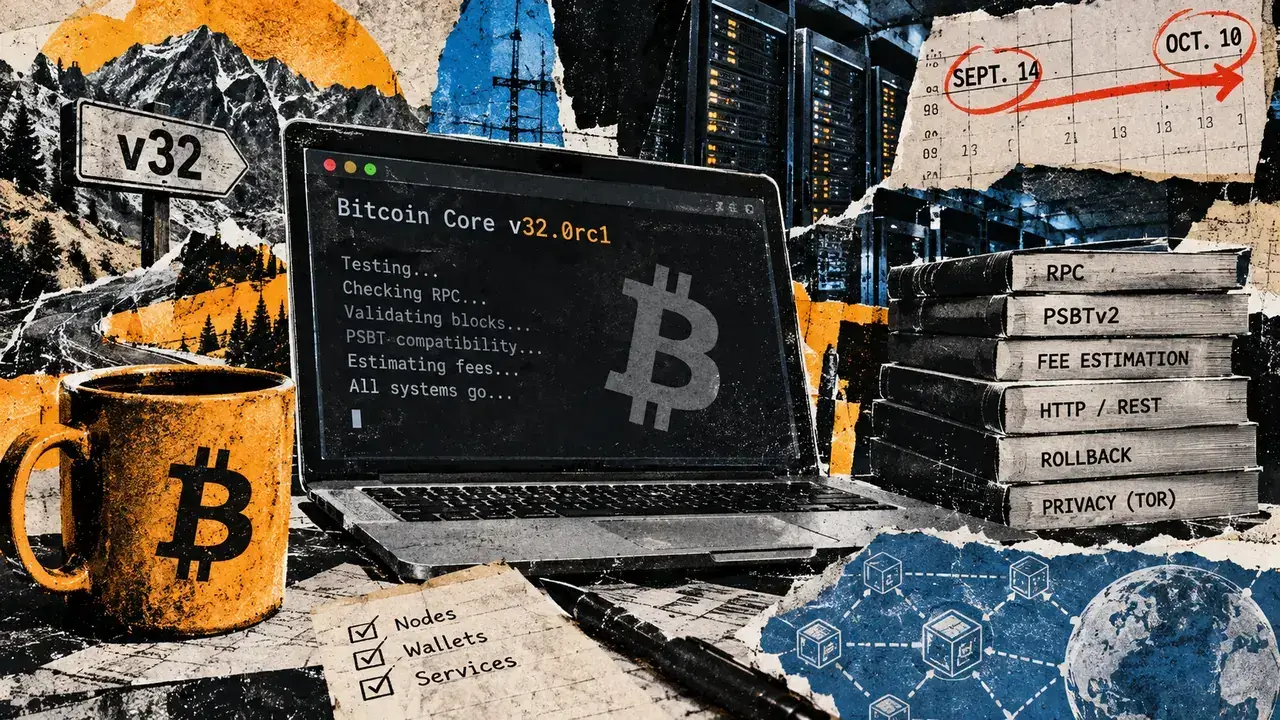
Major Bitcoin Core update changes default wallet protocols, risking temporary disruption across popular apps
Bitcoin Core v32.0rc1 has turned the Sept. 14–Oct. 10 window into a concentrated compatibility test for node operators, wallet pro...
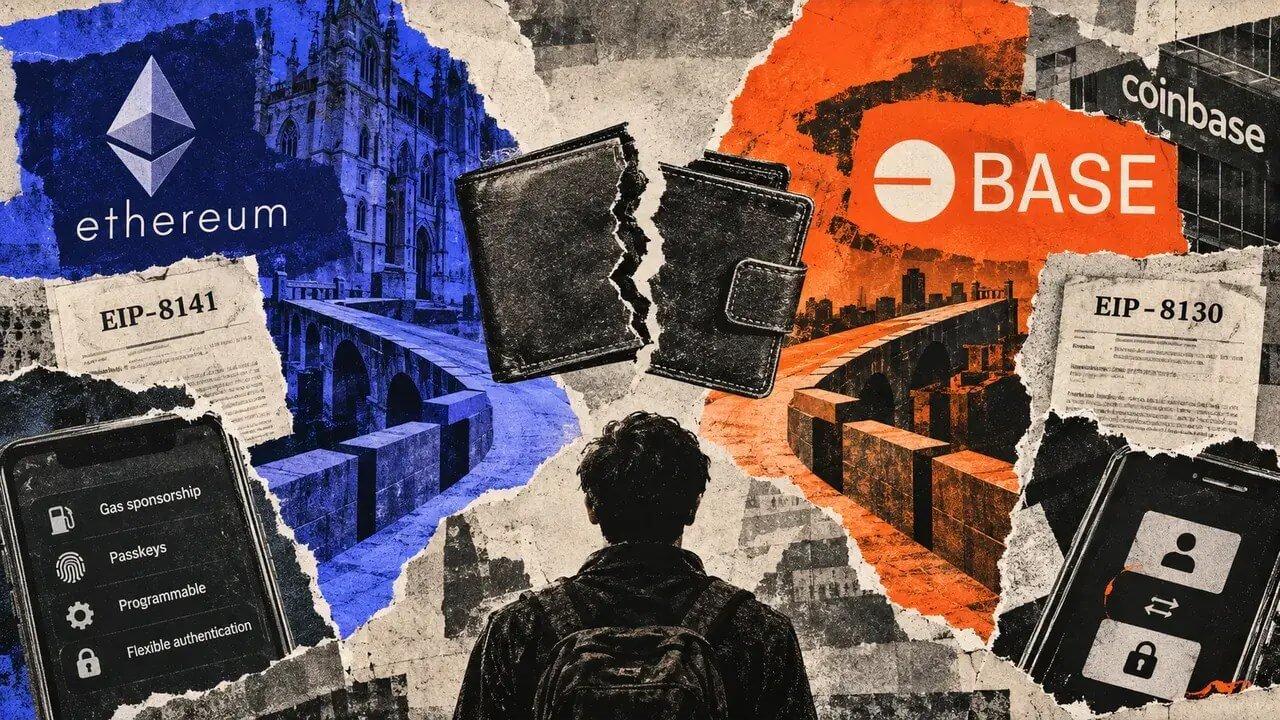
Coinbase-backed Base just exposed the uncomfortable truth about Ethereum’s L2s
Ethereum and Coinbase-backed layer-2 network Base have abandoned an effort to agree on how the next generation of crypto wallets s...
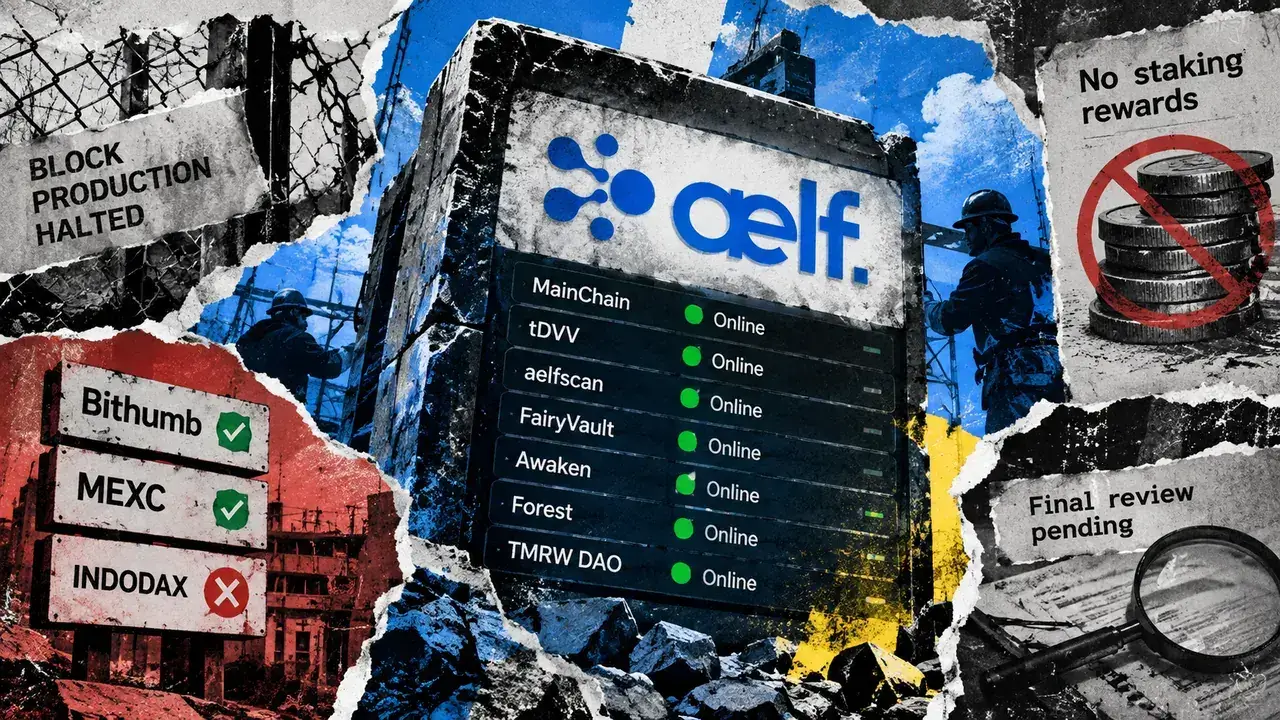
7-day blockchain outage wipes out a full week of staking rewards after emergency aelf shutdown
aelf, a blockchain network built around its AELF MainChain and tDVV dAppChain, has restored public node access and several core se...

A new XRPL upgrade could concentrate XRP ownership inside banks instead of retail wallets
A proposed XRP Ledger (XRPL) upgrade could let banks and fintechs absorb XRP costs so customers never need to hold the token. The...

Swiss Bitcoin Pay Shuts Down Servers After Data Breach
Bitcoin Magazine Swiss Bitcoin Pay Shuts Down Servers After Data Breach Another day, another data breach. Swiss Bitcoin Pay, a non...

Tether, Binance and a $1.5 billion Iran oil network converge in new US forfeiture case
US prosecutors are seeking to seize $61 million in Tether’s USDT tied to alleged black-market Iranian oil sales. On Sept. 14, the...