Russian Bank Issues Bank Guarantee in Chinese Yuan Using Blockchain
A bank in Russia has issued the country’s first blockchain-based bank guarantee denominated in Chinese currency. The financial institution underscored the advantages of using a digital form of the document and pointed ou...
Archive context
Older archive item. Useful for background and entity history, but not a fresh market-moving signal.
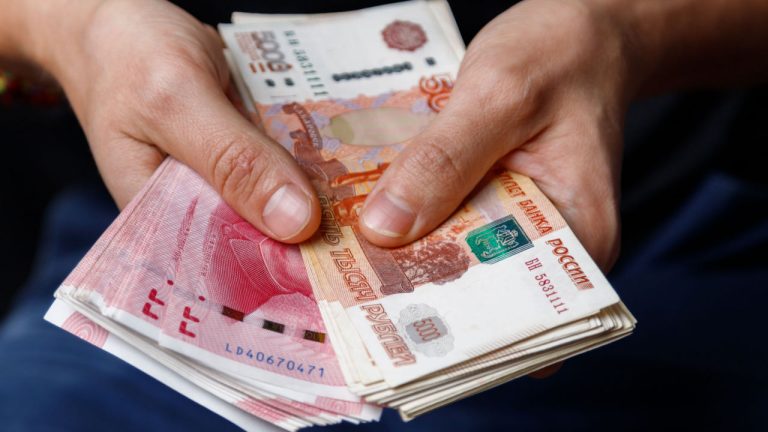
A bank in Russia has issued the country’s first blockchain-based bank guarantee denominated in Chinese currency. The financial institution underscored the advantages of using a digital form of the document and pointed out that demand for yuan payments is growing.
MKB Employs Bank of Russia’s Masterchain to Issue Bank Guarantee in YuanMoscow Credit Bank (MKB) has issued what it described as Russia’s first digital bank guarantee for an amount exceeding 100 million Chinese yuan, using blockchain technology — the Masterchain platform developed by the Central Bank of Russia.
In a press release quoted by RBC Crypto, MKB explained that the guarantee is denominated in the currency to which the importer’s contracts are linked. In case of a payment under it, the supplier will receive Russian rubles at an exchange rate agreed upon by the parties.
The bank guarantee was agreed on by the three stakeholders: the principal, the guarantor bank, and the beneficiary. The touted advantage of using a digital document, which ostensibly cannot be forged or lost, is that the beneficiary doesn’t need to wait for the paper version or request a confirmation from the bank about the authenticity of the guarantee.
“This is the first digital bank guarantee in the market, which was issued in yuan, through the Masterchain system. Most foreign trade contracts are serviced in Chinese currency, and the demand for payments in yuan is only growing,” commented Natalya Bahova, director of MKB’s International and Structured Finance Department.
The executive added this is a “logical step” and that it’s likely to see more such examples in the future. “The decision will be especially relevant for large groups of companies which have many subsidiaries that accept bank guarantees in large quantities and on a regular basis,” Bahova elaborated.
Russian companies spend around 900 million rubles annually (almost $12 million) to verify the authenticity of bank guarantees, the report noted. And even then, about 0.5% of them eventually turn out to be fake. Related risks have been estimated at 75 billion rubles.
Amid sanctions imposed by the West over its invasion of Ukraine, Russia has been considering ways to reduce its dependence on the U.S. dollar and the traditional financial system, including the use of other fiat currencies, blockchain technologies, and crypto payments to circumvent the restrictions.
A law “On Digital Financial Assets” went into force in January, 2021, and over the past year officials in Moscow have been working to expand the regulatory framework to cover decentralized cryptocurrencies like bitcoin and the like.
In early December, a company licensed by the Bank of Russia announced the country’s first authorized digital asset transaction involving a foreign currency, China’s yuan. The two countries have also been developing digital versions of their fiat currencies.
Do you think there will be more use cases involving crypto technologies and alternative currencies in Russia? Share your thoughts on the subject in the comments section below.
Why this matters
This blockchain story adds another data point to the current market tape and is useful when read alongside nearby source coverage.
Original source
Read on Bitcoin NewsRelated market context
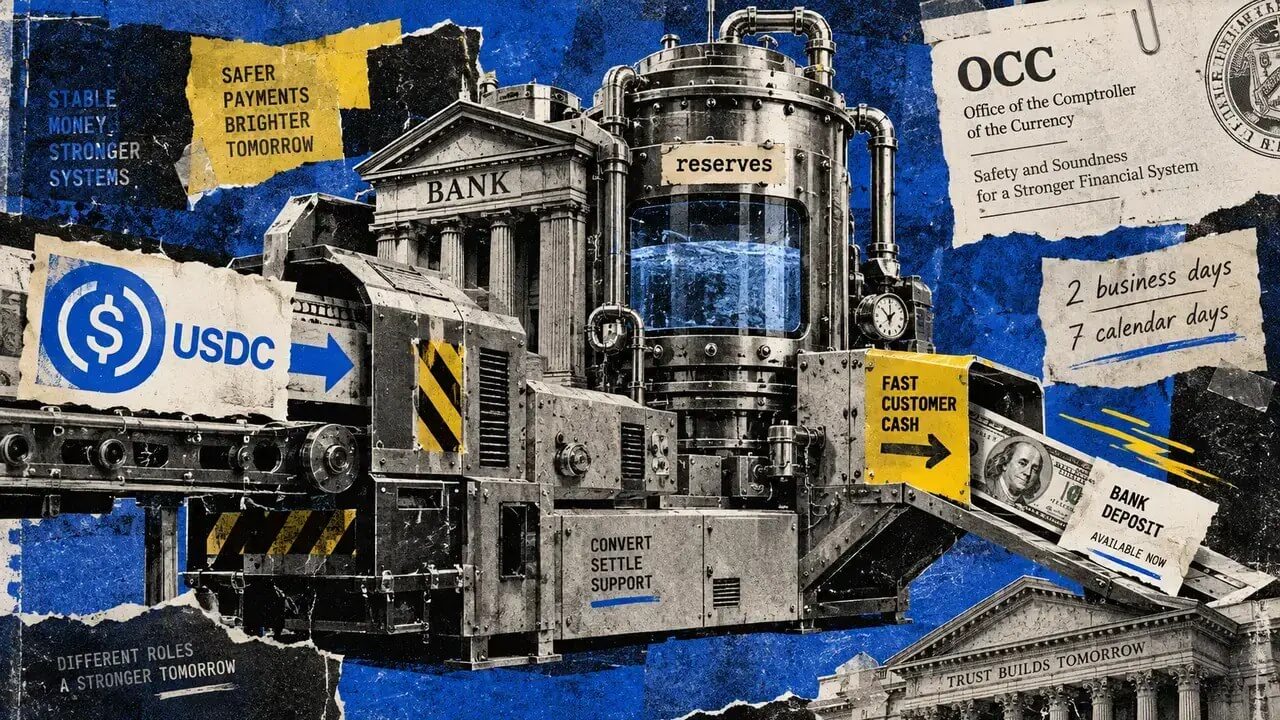
Proposed stablecoin rules might guarantee your dollar while making you wait a week to spend it
When a stablecoin holder receives spendable bank dollars before the issuer redeems the token, a buyer or conversion provider has f...
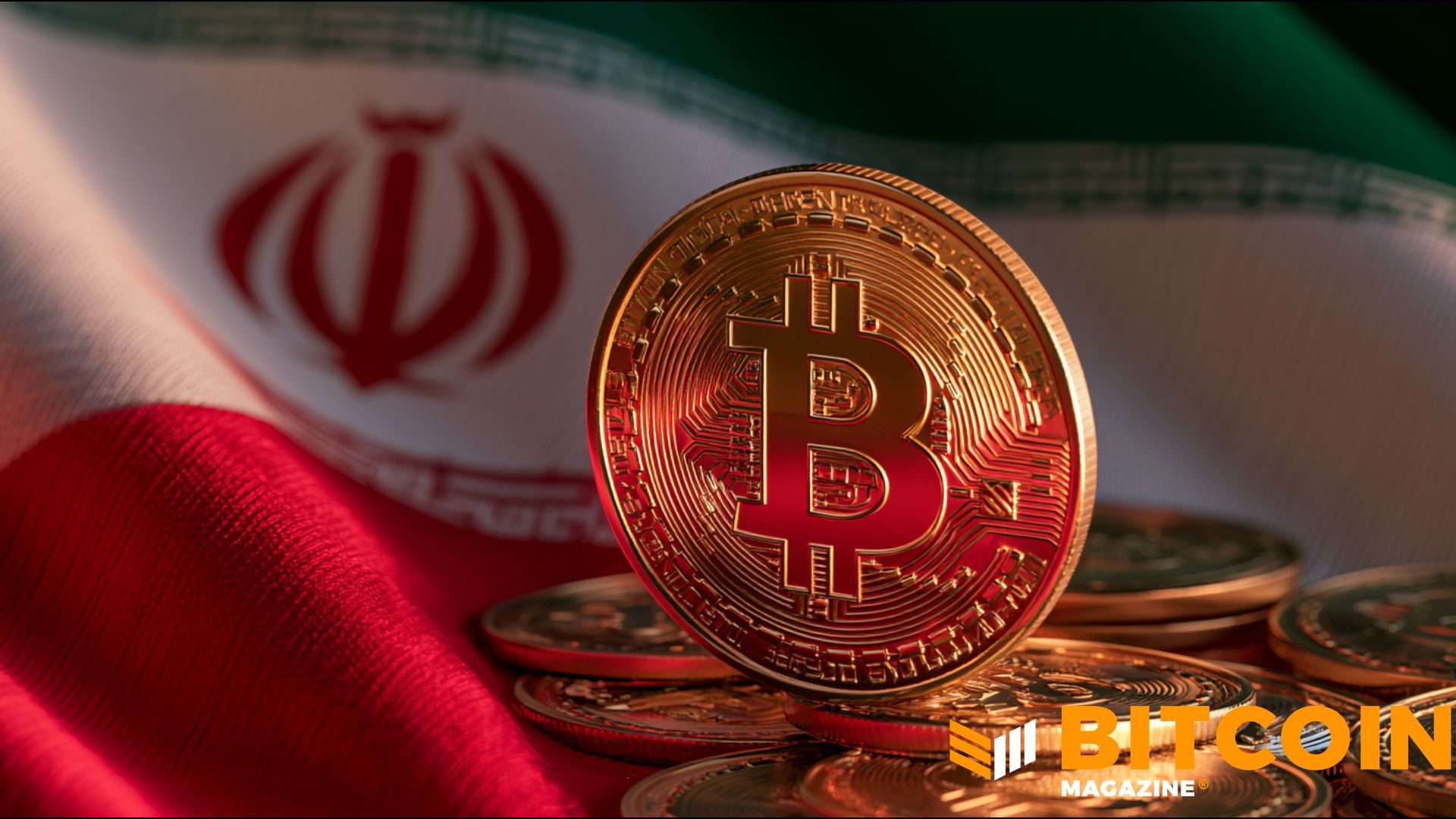
DOJ Seeks $61M in Iranian Oil Proceeds Laundered Through Binance Accounts
Bitcoin Magazine DOJ Seeks $61M in Iranian Oil Proceeds Laundered Through Binance Accounts The U.S. Department of Justice said Mon...

A new XRPL upgrade could concentrate XRP ownership inside banks instead of retail wallets
A proposed XRP Ledger (XRPL) upgrade could let banks and fintechs absorb XRP costs so customers never need to hold the token. The...
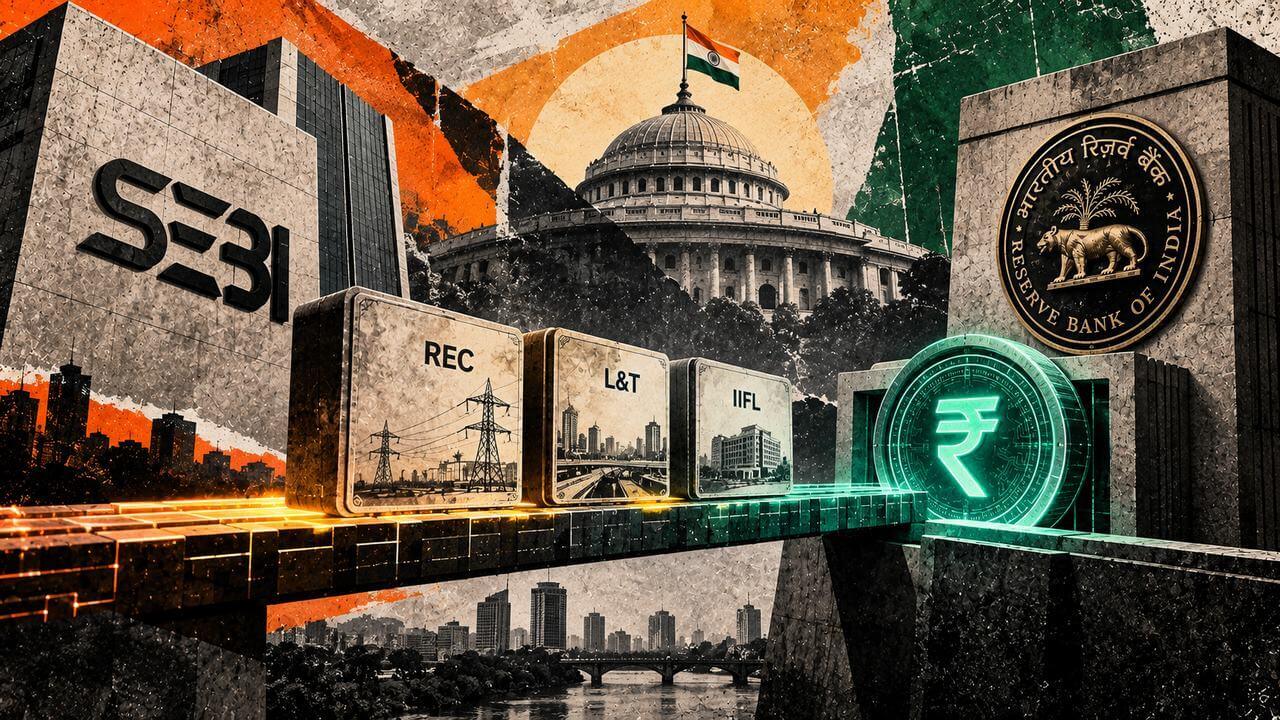
India’s tokenized bond pilot starts with institutions, with retail access planned next
India’s securities regulator has launched a pilot that places corporate bonds and their cash settlement on linked digital rails, m...

Chris Land leads negotiations on Senate cryptocurrency bill
The Senate's crypto bill could redefine regulatory boundaries, impacting financial markets and setting a precedent for future digi...
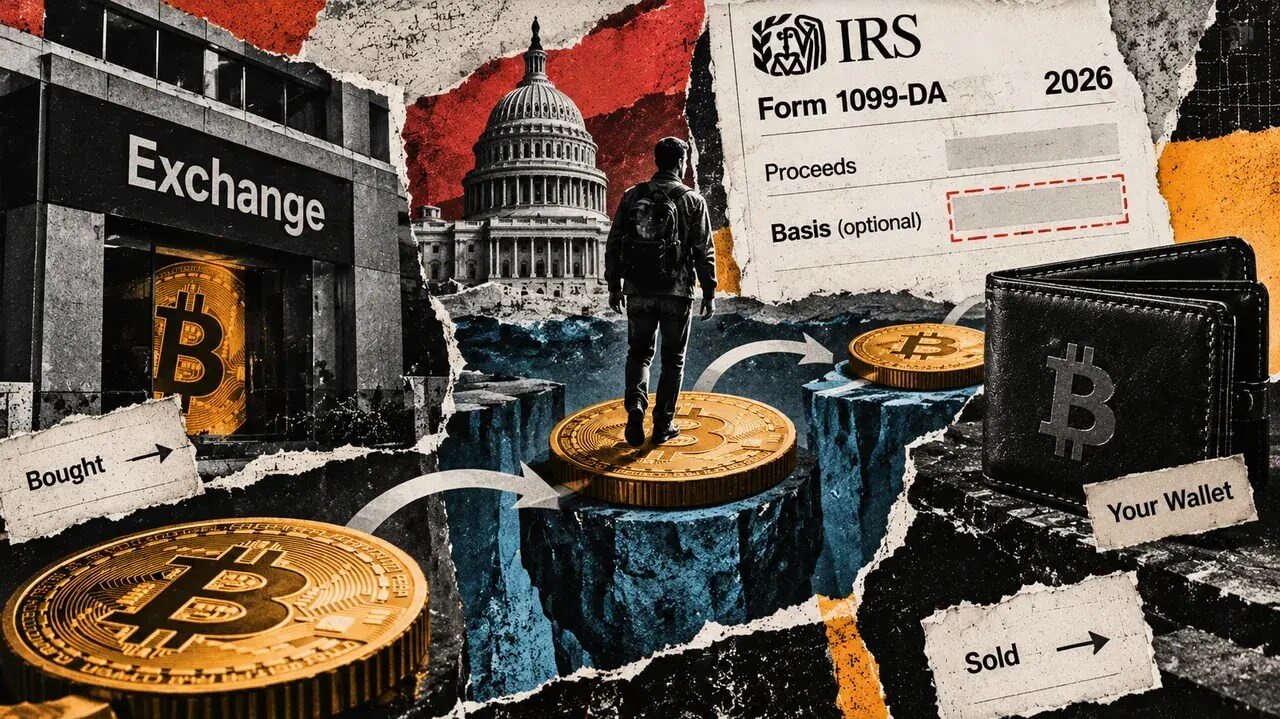
Bitcoin self-custody creates a massive cost-basis blind spot on your 2026 crypto tax forms
A Bitcoin investor can withdraw coins from an exchange, return them to the same account, and still fall outside mandatory cost-bas...