South Korea Halts CBDC Phase 2 Testing Amid Stablecoin Surge and Uncertainty
Key Takeaways: South Korea’s central bank has paused its second phase of CBDC (central bank digital currency) testing. The decision was influenced by banks’ financial concerns and the ongoing push for stablecoin regulati...
Archive context
Older archive item. Useful for background and entity history, but not a fresh market-moving signal.
Key Takeaways:
- South Korea’s central bank has paused its second phase of CBDC (central bank digital currency) testing.
- The decision was influenced by banks’ financial concerns and the ongoing push for stablecoin regulation.
- Korean financial institutions are shifting focus to stablecoin issuance with private and blockchain firms.
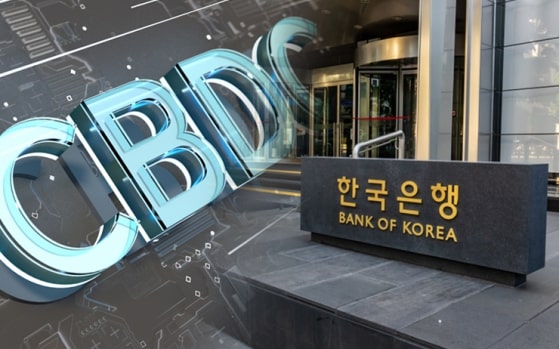
South Korea’s efforts to introduce a central bank digital currency (CBDC) have hit a pause. The Bank of Korea (BOK) has suspended its second round of testing for the digital won, citing rising costs for banks and a lack of long-term commercial strategy. As legislative interest grows around stablecoins, banks appear to be pivoting their priorities.
BOK Suspends CBDC Testing After Bank PushbackOn June 26, the Bank of Korea notified participating financial institutions that it would suspend discussions and preparations for the second phase of its CBDC pilot, known as Project Han River. The decision follows growing concerns from banks about the mounting expenses required for testing and unclear prospects for the digital won’s commercialization.
Seven commercial banks participated in the initial phase of testing, which began in April and involved 100,000 users converting bank deposits into “deposit tokens” for real-world retail transactions. Despite progress, banks demanded a clearer roadmap for rollout and questioned the feasibility of further participation without stronger guarantees.
Read More: Over 10M Koreans Bet on Crypto: 70% Eye Bigger Investments Amid Retirement Fears
Banks Spent $250M+ on Phase 1On average, each bank invested approximately 5 billion KRW ($3.75 million) into infrastructure and compliance systems for the first round of testing. Combined, the institutions are estimated to have spent nearly 35 billion KRW ($260 million).
One banking executive remarked, “The CBDC, stablecoins, and deposit tokens aren’t well-differentiated. With stablecoin regulation underway, there’s too much uncertainty to continue investing without knowing the end game.”
In response, BOK Governor Rhee Chang-yong met with bank CEOs in late June, proposing that the central bank cover at least half the cost of the next testing phase. Despite this, BOK failed to rally sufficient commitment from stakeholders.
Legal Hurdles and Policy AmbiguityThe suspension also aligns with the Korean National Assembly’s ongoing efforts to establish a regulatory framework for stablecoins. Lawmakers are currently drafting a bill to permit issuance of won-pegged stablecoins, which could be issued by either banks or fintech firms.
According to multiple bank officials, the legislative uncertainty has forced the BOK to reassess the timing and scope of its CBDC initiatives. “They want to wait until there’s clarity on the stablecoin law before continuing,” one participant confirmed.
Notably, the organizational structure of BOK’s CBDC division is also changing. The digital currency experiment team will be absorbed into a different unit, signaling a broader internal shift in strategy.
Banks Turn Toward Stablecoin ProjectsAs CBDC development stalls, banks are accelerating efforts to develop and issue their own stablecoins, sometimes in cooperation with blockchain firms. Several banks are exploring joint ventures and consortia that would issue digital tokens pegged to the Korean won.
BOK had previously asserted that its “deposit token” model was essentially equivalent to a stablecoin under government oversight. However, with the CBDC initiative delayed, banks are now pursuing parallel paths.
Read More: South Korea Eyes Opening Crypto Market to Foreign Investors Amid AML Challenges
Impact on the Crypto Sector and Stock MarketThe central bank’s decision had immediate ripple effects. Stocks tied to stablecoin and digital payment technology plunged as news of the suspension emerged.
Kakao Pay dropped 9.3% on the KOSPI on June 30, while LG CNS fell 10.8%. Stocks related to other stablecoins like ME2ON and Dozn also experienced sharp declines. The market drop is a clear sign of investor anxiety around the regulatory future and potential competition between stablecoin providers.
Crypto analysts point out that although both CBDCs and stablecoins have similar transactional use cases, they are fundamentally very different in structure. CBDCs are a centralised tool and are issued and controlled by central banks unlike the world of stablecoins which work in decentralised settings with a mix of degrees of transparency and the stability of its backing.
As the competition for stablecoin regulation intensifies, South Korea’s move can serve as an illustration for other countries considering the development of CBDC vs. private sector alternatives.
What’s Next for South Korea’s CBDC Efforts?BOK has not revoked its CBDC plans per se, but the roadmap has been rescheduled indefinitely. The central bank may conduct a review of the 2nd test phase in the middle of 2026, insiders claimed, depending on the outcome of the stablecoin legislative process.
Banks which still want to be involved in further possible tests may be invited individually. But with no binding commercial plan or guarantee of funding, enthusiasm has cooled.
Meanwhile, banks are exploring nimbler blockchain applications that can generate revenue and get to market faster, and with less regulatory headaches.
For the time being, South Korea’s CBDC saga is stalled, and the fight for supremacy of the digital asset realm now moves to the stablecoin front.
The post South Korea Halts CBDC Phase 2 Testing Amid Stablecoin Surge and Uncertainty appeared first on CryptoNinjas.
Why this matters
This blockchain story adds another data point to the current market tape and is useful when read alongside nearby source coverage.
Original source
Read on CryptoNinjasRelated market context

Borderless.xyz report finds stablecoin payments beat bank FX rates
Stablecoin payments' efficiency over banks could reshape cross-border transactions, emphasizing dynamic provider selection to mini...

Japan’s megabank trio completes joint stablecoin payment test
Japan's successful stablecoin test by major banks could revolutionize cross-border payments, enhancing efficiency and fostering bl...

Deutsche Bank To Debut Bitcoin Custody Within Weeks: Report
Bitcoin Magazine Deutsche Bank To Debut Bitcoin Custody Within Weeks: Report German multinational Deutsche Bank is just weeks away...

Mastercard Taps 17B Endpoints With BVNK Stablecoin Platform Across 200+ Markets
Key Takeaways: Global Money Platform For Fiat and Stablecoin Payment by Mastercard and BVNK. Mastercard Move links to 17B+ devices...

Ripple Brings RLUSD to Cross River Bank as Garlinghouse Backs Evernorth’s XRP Strategy
Announced on October 15, the Cross River partnership integrates Ripple USD (RLUSD) into the bank’s proprietary Core Operating Syst...

XRP spot volume surpasses Bitcoin and Ethereum on South Korea’s Upbit
XRP's dominance on Upbit highlights the potential impact of local regulatory shifts on global crypto liquidity and market dynamics...