Tezos Blockchain is Faster and More Future-Proof Than Ever Following Successful Activation of 17th Protocol Upgrade, Quebec
Paris, France, January 22nd, 2025, Chainwire 8-second block time makes Tezos L1 transaction finality faster than ever Bakers (Tezos validators) can now accept more external stake, promoting stronger network security Stak...
Archive context
Older archive item. Useful for background and entity history, but not a fresh market-moving signal.

Paris, France, January 22nd, 2025, Chainwire
- 8-second block time makes Tezos L1 transaction finality faster than ever
- Bakers (Tezos validators) can now accept more external stake, promoting stronger network security
- Staking is further incentivized with 3x the rewards versus delegation, instead of previously 2x
- Staking rewards are optimized for minimal inflation and long-term network health
Quebec activates a number of features designed to improve the overall experience of using, running and building on Tezos. It also includes key performance improvements that contribute to fulfilling the vision laid out in the Tezos X roadmap, which outlines a unified vision for the future of the Tezos network and ecosystem.
Tezos is a pioneering blockchain known for its self-amending capabilities and community-driven, on-chain governance system. Quebec introduces a series of enhancements designed to make Tezos even more appealing to builders, institutions, and businesses of all sizes. A reduction of layer 1 block time from 10 seconds to just 8 seconds means that transactions on the network are faster than ever, achieving finality in 16 seconds — further establishing Tezos as an ideal solution for use cases such as payments, gaming and more. Despite these performance improvements there has been no change to the hardware requirements for taking part in Tezos consensus. This ensures that bakers (validators) operating affordable, lower-end infrastructure can continue to participate in Tezos consensus, thereby preserving community-inclusive decentralization as Tezos evolves.
Commenting on the upgrade, Yann Régis-Gianas, Head of Engineering at Nomadic Labs, said, “With the Quebec upgrade, Tezos has become faster, economically stronger, and more attractive for staking – all without compromising on decentralization. It’s a remarkable achievement by the protocol developers and a significant step toward realizing the vision of Tezos X.”
He added, “The Quebec upgrade shows Tezos’ ability to evolve through decentralized governance, and with broad stakeholder involvement. I particularly valued the in-depth community conversations on tokenomics and how to keep inflation strictly tied to the chain’s long-term security.”
Quebec also introduces adjustments to Tezos’ staking mechanics, aimed at minimizing inflation of the native currency, tez, while maintaining network security. The Adaptive Issuance mechanism, previously introduced in the Paris protocol upgrade, is designed to keep staking rewards just high enough to incentivize a secure network while avoiding excessive tez issuance. The Quebec protocol upgrade refines this mechanism, addressing some scenarios where issuance could become higher than what is justified by security needs.
Following consultations with bakers and the community at large, the Quebec upgrade also raises the limit on how much external stake a baker can accept, from 5x to 9x the baker’s own stake. This can benefit network security, as it makes baking more attractive and staking more accessible, while continuing to limit centralization risks. To further incentivize staking, Quebec also reduces the weight of delegated funds, which contribute less to network security. As a result, staking now yields 3x the rewards versus delegation, instead of the previous 2x.
The successful implementation of Quebec is a further step towards Tezos X and a clear illustration of both Tezos’ long-term upgradability and of the commitment to persistent innovation demonstrated by community and developer teams across the Tezos ecosystem. The announcement comes during a busy period for the Tezos ecosystem, following the recent launch of the uranium.io marketplace on Etherlink, the EVM-compatible Layer 2 blockchain powered by Tezos Smart Rollups. Purpose-built to eliminate barriers to an asset class that is powering the AI revolution and which has, until now, only been accessible to institutional investors, the launch of uranium.io comes at a time of renewed interest in real world asset (RWA) tokenization, which is emerging as a growth-driver for the blockchain sector.
About TezosTezos is an open-source and energy-efficient blockchain designed to empower institutions, developers, and businesses and facilitate value transfer in a digital environment. It is designed for the scalable deployment of decentralized applications. As one of the first Proof of Stake blockchains, Tezos is globally supported and valued for its strong governance, long-term upgradability, and smart contract capabilities. For more information about Tezos, visit http://www.tezos.com.
Contact
Head of PR
Eoin McGinley
Trilitech
[email protected]
Why this matters
This blockchain story adds another data point to the current market tape and is useful when read alongside nearby source coverage.
Original source
Read on Brave New CoinRelated market context
Bitcoin exchanges can reduce quantum exposure before a network upgrade
A future quantum-safe Bitcoin will have to pass through the systems that hold and move today's coins. Exchanges, institutional cus...

Zest Protocol introduces DeFi incentives on Stacks market with monthly STX rewards
Zest Protocol's DeFi incentives could boost user engagement and liquidity on Stacks, enhancing the ecosystem's overall financial a...

Injective Protocol plans major RWA mainnet upgrade
Injective's upgrade enhances regulatory compliance and interoperability, potentially positioning it as a leader in tokenized secur...
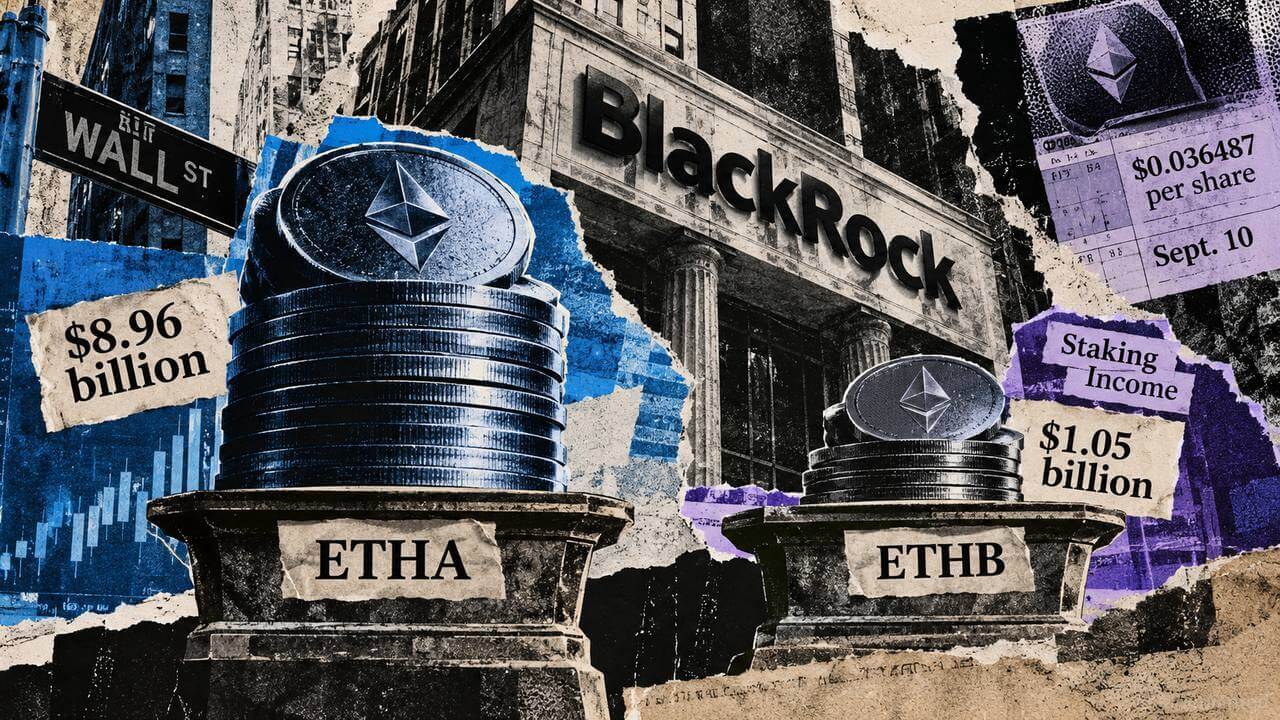
BlackRock’s staking Ethereum ETF pays yield but investors still prefer its $9 billion ETHA fund
Staking was supposed to strengthen Ethereum exchange-traded funds (ETFs), but BlackRock’s early results show investors still favor...

Audited DeFi protocols lost $885M to attacks that occurred completely outside their audit scopes
In decentralized finance, “audited” is often presented as a verdict on an entire project. In practice, an audit usually covers nam...
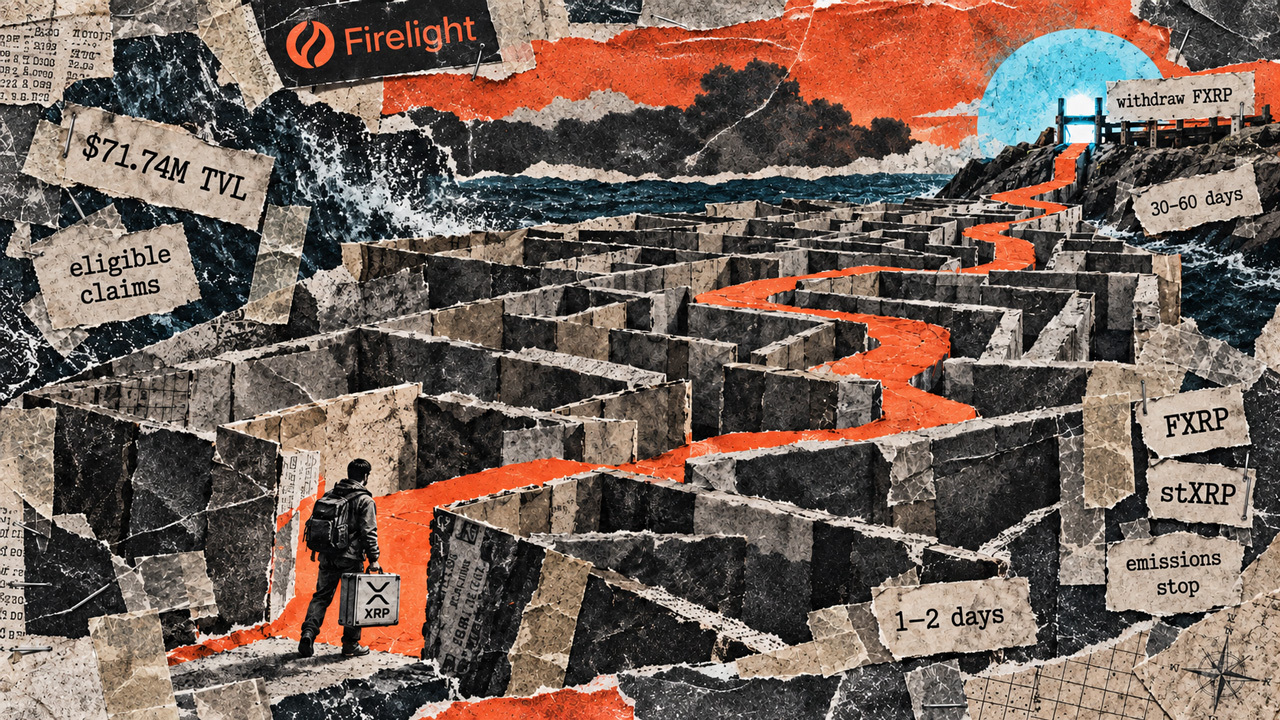
XRP holders could earn new yield, but getting out may take up to 60 days
Firelight is preparing to turn XRP-linked assets into capital that backs protection for DeFi users, offering holders a new source...