Vietnam’s Bold Move into Digital Assets Regulation
Key Takeaways: Vietnam kicks off a five-year pilot program for regulated crypto trading. Licensed firms must secure at least 10 trillion VND ($379M) in capital. Foreign ownership is capped at 49% to protect local market...
Archive context
Older archive item. Useful for background and entity history, but not a fresh market-moving signal.

Key Takeaways:
- Vietnam kicks off a five-year pilot program for regulated crypto trading.
- Licensed firms must secure at least 10 trillion VND ($379M) in capital.
- Foreign ownership is capped at 49% to protect local market control.
Vietnam has officially taken one of its boldest steps toward the future of finance. The government suggested a pilot five-year scheme of regulated trading in cryptocurrencies. The plan is to try things out on regulating digital assets closely and keeping finance stable.
Unlike some other Asian markets, who have an open approach, Vietnam is sending the loud and clear message that it would like only serious and well-capitalized players. The new program places stringent standards on companies prior to allowing them entry into the market.
This is not just an economic test – it’s also a political and economic message. Closing the entry gates a little tighter is Vietnam’s way of saying that it wants to control risks but not shut the doors to growth.
Read More: Vietnam’s $800B Crypto Market Set for Historic Shift with Landmark Korea Partnership
Capital Rules: A $379M Entry Ticket Why the Bar Is So HighAny company that wants to join the program must hold at least 10 trillion VND (around $379 million) in capital. On top of that, 65% must come from institutional investors. This makes Vietnam one of the most challenging markets in Asia, with regulations tighter than even some of the world’s leading financial centers.
By setting such requirements, regulators ensure that financially well-off and stable firms only come in. It also sends a message: the Vietnamese market is not a playground for speculators, but a serious place for long-term investors.
Protecting Domestic InterestsForeign firms are allowed to participate, but with a shareholding cap of 49%. The provision enables Vietnamese enterprises to maintain control of the market while enjoying foreign expertise and liquidity.
Issuer Rules Complete Backing by Assets and Full TransparencyVietnamese firms alone are allowed to issue crypto assets in the new regime. Each token must be backed by real assets so that digital trading is rooted in tangible value.
This is important because many crypto markets across the globe have suffered from unbacked tokens that caused bubbles and volatility. Vietnam’s architecture is designed to create trust, with emphasis on openness and backing of assets from the start.
Preventing Abuse and RiskIssuers also have strict reporting requirements. Everything, from where the assets are held to how they are sold, has to be disclosed. This close scrutiny will protect investors against fraud and corruption while keeping Vietnam in conformity with global accounting requirements.
Global AttentionThe world is already looking at Vietnam as a model. If it works, it can serve as a blueprint for other countries that want to regulate crypto without stifling innovation.
Read More: Vietnam Legalizes Crypto: Landmark Law to Regulate Digital Assets and Spark Web3 Boom
The post Vietnam’s Bold Move into Digital Assets Regulation appeared first on CryptoNinjas.
Why this matters
This blockchain story adds another data point to the current market tape and is useful when read alongside nearby source coverage.
Original source
Read on CryptoNinjasRelated market context

MEXC AI Trading Report Reveals 85% of Crypto Traders Use AI, But Most Limit Its Control Over Funds
Mutsamudu, Comoros, October 16, 2026 — MEXC, a global cryptocurrency exchange, released its AI Trading Report, based on a survey o...

Fidelity Digital Assets finds Bitcoin now moving with US Treasury real rates
Bitcoin's correlation with US Treasury real rates suggests a shift in investor sentiment, potentially altering traditional portfol...

MEXC Releases October 2026 Proof of Reserves, Reinforcing User Trust Through Verifiable Transparency
Mutsamudu, Comoros, October 16, 2026 – MEXC, a pioneer in 0-fee digital asset trading, has released its October 2026 Proof of Rese...

Ripple Prime Opens 24/7 Swaps on Stocks, Metals and Currencies, With Virtu Already Trading
Ripple Prime, Ripple’s institutional prime brokerage, now lets clients hold positions on stocks, indices, commodities and currenci...
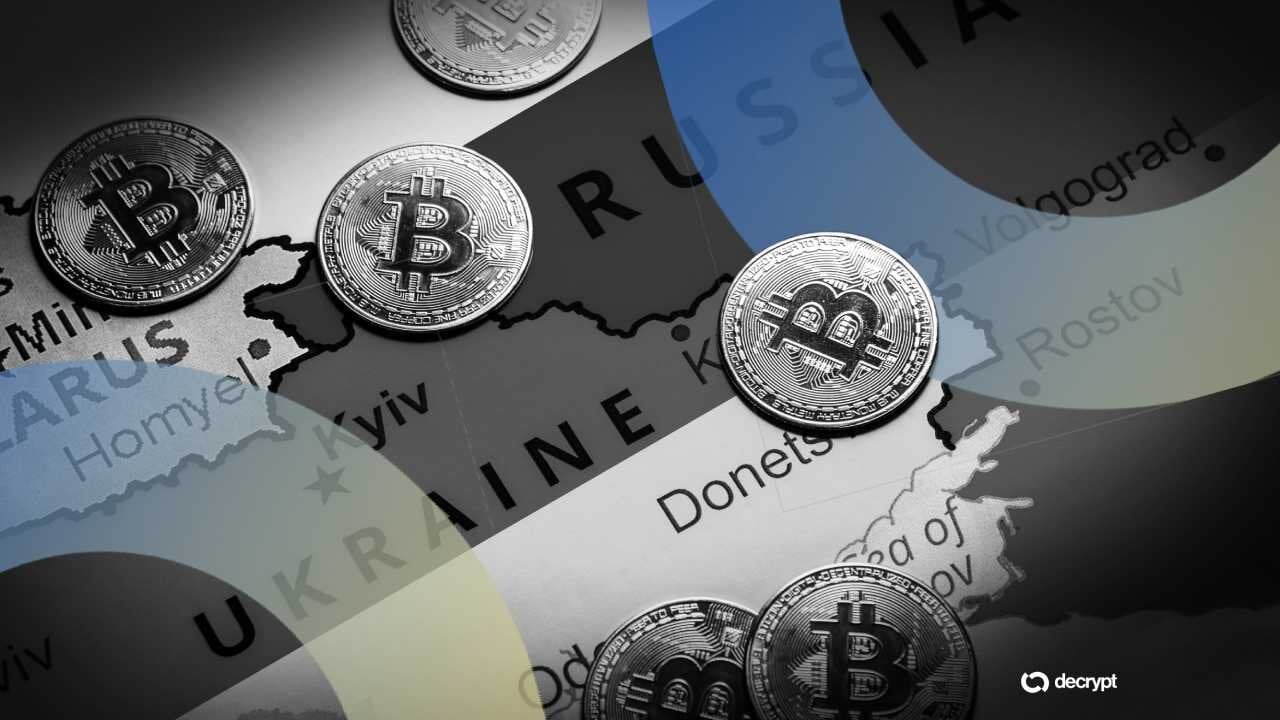
Russia Will Soon Ban Peer-to-Peer Bitcoin Trading, Central Bank Confirms
Russians have until July 1, 2027 to buy and sell crypto directly with each other. After that, every trade runs through a broker or...

Grayscale Opens 3 Crypto Funds on Republic With $2,500 Minimum for Eligible Investors
Key Takeaways: Grayscale has introduced three crypto-investment products to Republic. A minimum investment of $2,500 is required f...