VISA Has Its Eyes On CBDCs, Stablecoins and Blockchain Networks
According to the head of Visa’s crypto department, the payments giant is exploring the possibility of incorporating multiple types of blockchain technology in the future. Visa reveals new projects Recently, Visa extended...
Archive context
Older archive item. Useful for background and entity history, but not a fresh market-moving signal.
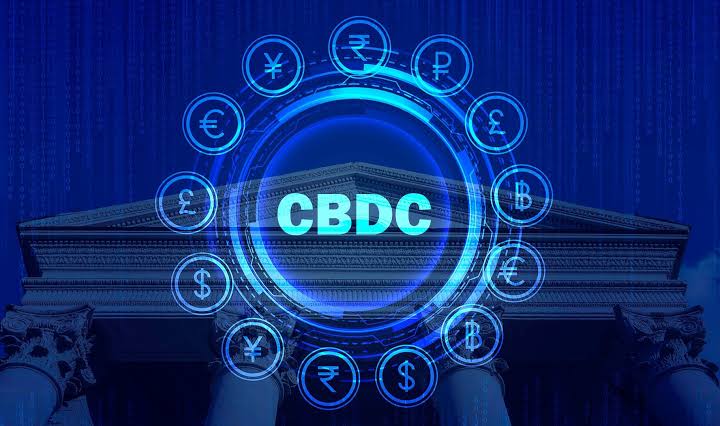
According to the head of Visa’s crypto department, the payments giant is exploring the possibility of incorporating multiple types of blockchain technology in the future.
Visa reveals new projectsRecently, Visa extended its stablecoin settlement abilities to the Solana (SOL) blockchain and introduced a new cross-border money system that utilizes Circle’s USDC.
The head of crypto, Cuy Sheffield, likened the current state of crypto to the early days of the internet, describing it as going through a “broadband moment” where it is evolving and progressing as a technology.
Many people are skeptical of blockchains today, much like they were of the early internet. Analysts often criticize them for being slow, difficult to use, and expensive, while also claiming there are no real use cases.
However, just like the internet, blockchains have had their challenges and some use cases are still emerging.
As a pioneer in the payments industry for over six decades, Visa recognizes the potential of blockchain networks and their possible futures. It’s important to remember that the internet was once slow, expensive, and hard to use, but it has evolved to become fast, cheap, and user-friendly.
Visa, the company that processes almost 40% of daily transactions worldwide, plans to incorporate crypto technology such as stablecoins and government-run central bank digital currencies (CBDCs) into its network.
According to Sheffield, Visa envisions a future where its network includes multiple blockchain networks and tokenized deposits in addition to various currencies and bank settlement rails.
Despite the co-existence of traditional fiat and legacy settlement rails with tokenized fiat running over global 24/7 real-time blockchain networks, Visa sees its role as a bridge to meet clients regardless of their preferred currency, settlement network, or form factor.
Visa in the newsAccording to a press release, Visa conducted a successful pilot with Crypto.com and is now launching a new cross-border payment system using Circle’s USDC on Solana.
Visa has already moved millions of USDC between its partners on both Solana and Ethereum over VisaNet, the company’s online payment processing system, as part of the pilot.
Check out our previous article in order to learn more details about this.
Why this matters
This blockchain story adds another data point to the current market tape and is useful when read alongside nearby source coverage.
Original source
Read on CryptoGazetteRelated market context

Solana News: Tokenized-Stock Footprint Passes 800,000 Addresses
Solana’s tokenized stockholder addresses climbed to 801,439 by the end of last week, up 88% from 424,894 at the start of the month...
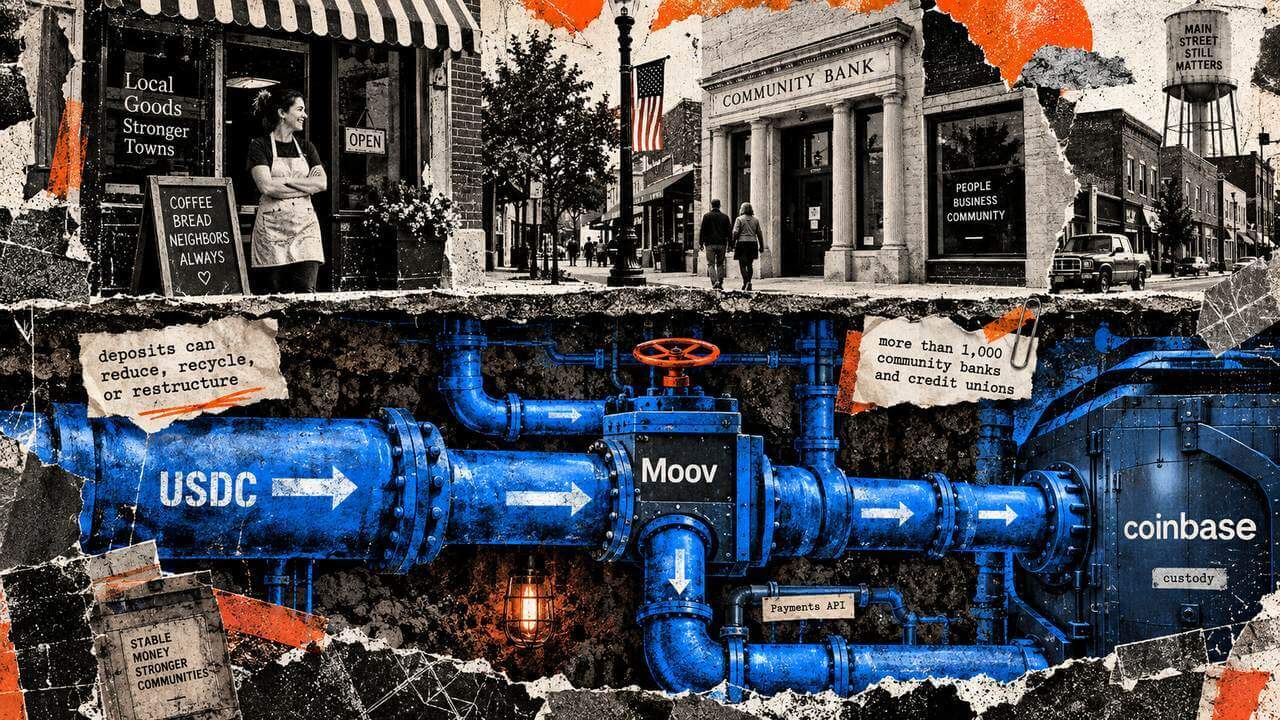
Coinbase gives community banks a stablecoin bridge while supplying infrastructure underneath
Coinbase’s new partnership with payments platform Moov gives community banks and credit unions a route to offer stablecoin service...

Aerodrome leads in USDC transfer volume, says Circle CEO
Circle's endorsement of Aerodrome underscores DeFi's growing role in financial systems, but centralization risks could impact netw...
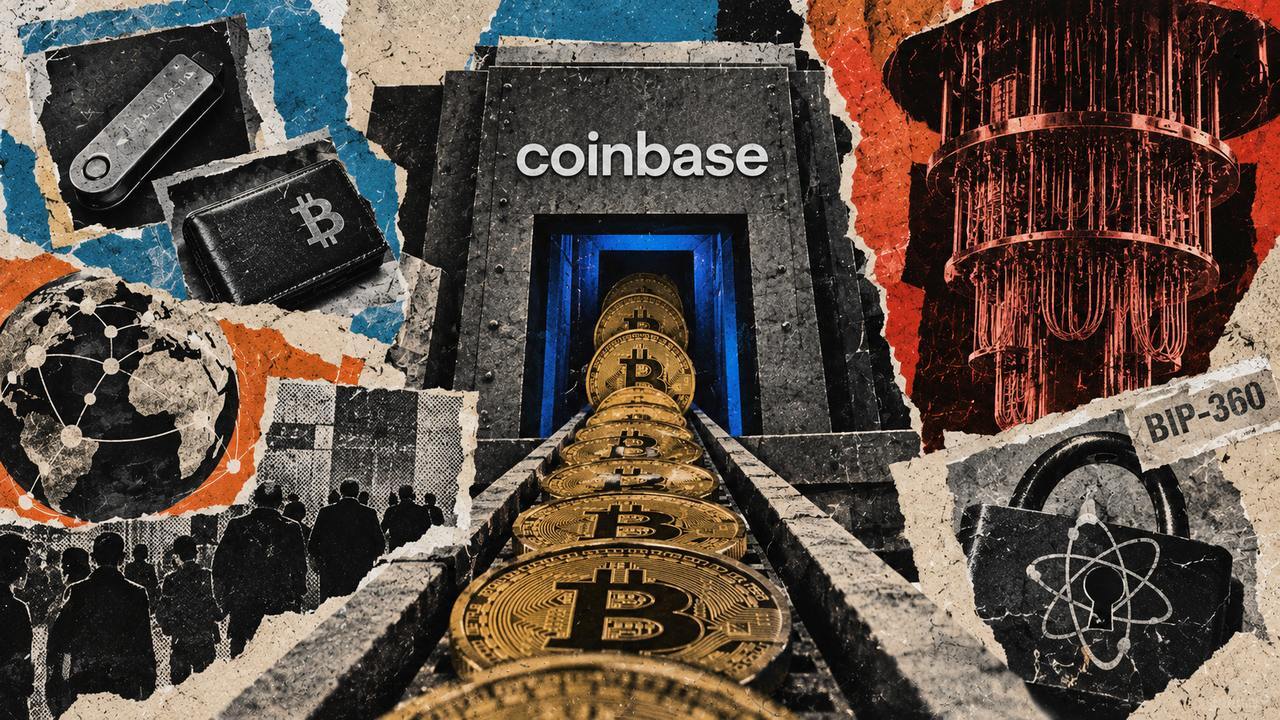
Bitcoin exchanges can reduce quantum exposure before a network upgrade
A future quantum-safe Bitcoin will have to pass through the systems that hold and move today's coins. Exchanges, institutional cus...
Solana transactions just got more than 3 times bigger, giving an edge over Ethereum
Transaction V1 raises Solana’s limit to 4,096 bytes from 1,232, giving developers more room for multi-step trades, company-wallet...
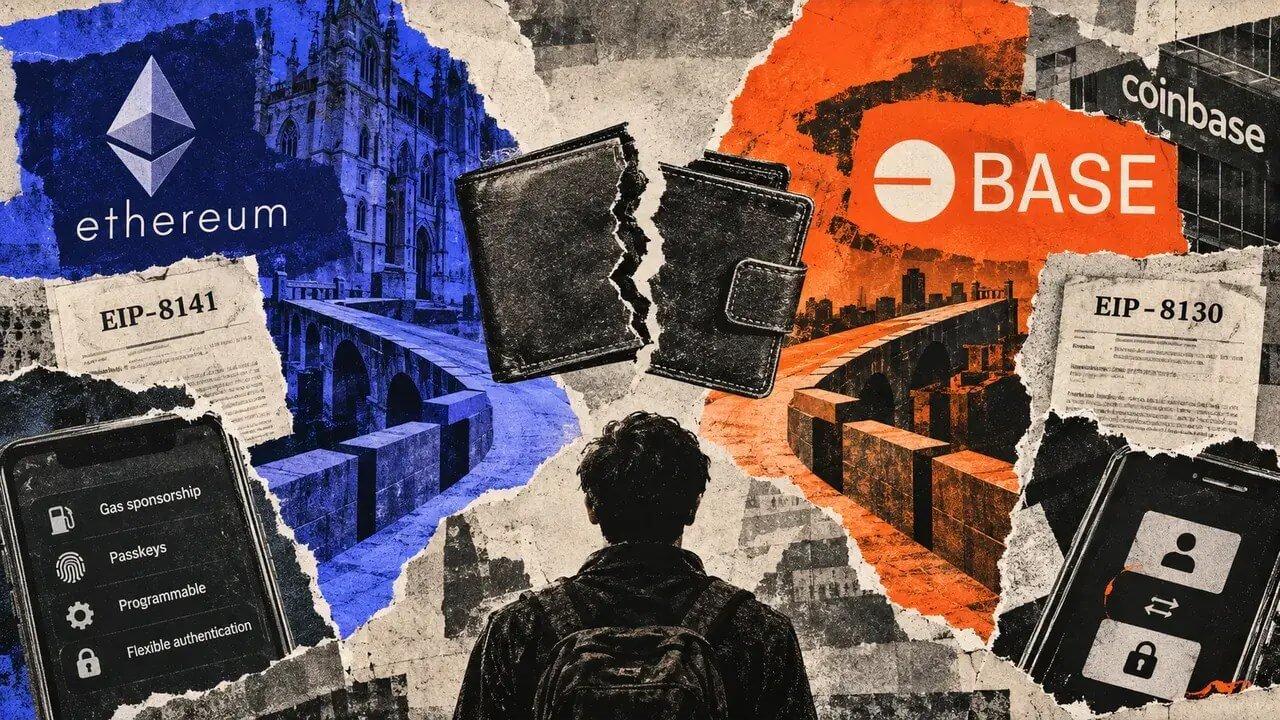
Coinbase-backed Base just exposed the uncomfortable truth about Ethereum’s L2s
Ethereum and Coinbase-backed layer-2 network Base have abandoned an effort to agree on how the next generation of crypto wallets s...