Bank of England Softens Stablecoin Rules With £40 Billion Issuer Cap
The Bank of England has softened its proposed framework for systemic sterling stablecoins, dropping individual holding limits and replacing them with a planned aggregate cap on issuance by each systemic issuer. TL;DR The...
Archive context
Older archive item. Useful for background and entity history, but not a fresh market-moving signal.
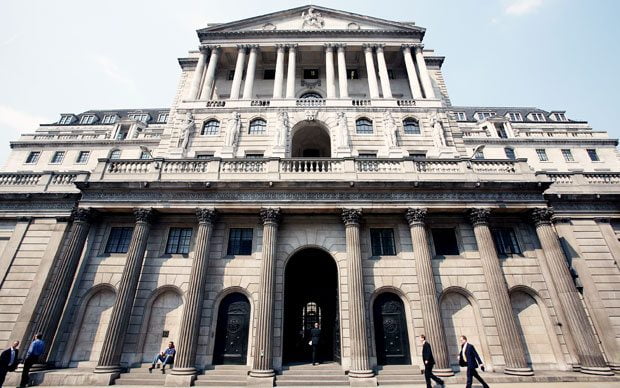
The Bank of England has softened its proposed framework for systemic sterling stablecoins, dropping individual holding limits and replacing them with a planned aggregate cap on issuance by each systemic issuer.
TL;DR- The Bank of England has moved away from proposed individual stablecoin holding limits.
- The revised framework points to a temporary £40 billion issuance cap per systemic stablecoin issuer.
- Issuers would also be allowed to hold a larger share of reserves in short-term UK government debt.
- The rules are still part of a regulatory process, not a live retail stablecoin launch.
The change matters because the earlier approach had become one of the biggest sticking points in the UK’s attempt to build a workable stablecoin regime. Previous proposals included limits of £20,000 for individuals and £10 million for businesses, a structure that industry groups argued would make sterling stablecoins difficult to use at scale.
According to Reuters, the central bank has now opted for a simpler model built around a temporary £40 billion issuance cap per stablecoin. The Bank has also eased the proposed reserve mix, allowing issuers to hold up to 70% of backing assets in short-term government debt, with the balance held as non-interest-bearing deposits at the central bank.
Why The Rule Shift MattersThe stablecoin market is still dominated by dollar-denominated tokens, but the UK has been trying to position itself as a more credible jurisdiction for digital payments, tokenisation and market infrastructure. A workable sterling stablecoin framework would give regulated firms clearer rules for issuing payment tokens that can be used in real settlement activity.
The key point is not that a major sterling stablecoin suddenly goes live today. It is that the Bank appears to have listened to the market’s concern that tight wallet-level limits would make adoption awkward from day one. An issuer-level cap is still restrictive, but it gives banks, payment companies and crypto firms a cleaner structure to plan around.
For the market, the reserve change is also important. Stablecoin issuers generally need some yield on backing assets to make the business viable. Requiring too much cash to sit idle at the central bank could weaken the economics of issuance, while too little liquidity could create redemption risk. The Bank’s revised split is an attempt to balance those two pressures.
What Comes NextThe timeline still matters. The revised framework is part of the Bank’s policy and rulemaking process, with final rules expected before regulated operations begin. That means any article framing this as an immediate opening of the UK stablecoin market would go too far.
Still, the direction of travel is notable. The UK has been under pressure to keep pace with the US and EU on digital asset regulation. A more flexible systemic stablecoin regime could make the country more attractive for firms building tokenised payment rails, provided the final rulebook does not reintroduce too much friction.
The market impact is likely to be more structural than immediate. Sterling stablecoins remain tiny compared with dollar-backed alternatives, but clearer rules could help banks and payment firms test products that were difficult to justify under a stricter holding-limit model.
This report is based on information from Reuters and prior Bank of England stablecoin consultation material.
This article was written by the News Desk and edited by Samuel Rae.
Why this matters
This maps to the Stablecoins hub, so it can help confirm whether that theme is gaining breadth across the crypto news cycle.
Original source
Read on NewsBTCRelated market context

TOKEN2049 Takeaways: Stablecoins, Asset Tokenization, and AI Payments
Every crypto conference brings a wave of new partnerships, products, and concepts. After scrolling through the latest updates, you...

EU Banking Regulator Takes Over Key Oversight of Circle’s USDC Stablecoin
The European Banking Authority (EBA) classified Circle's USDC as a significant e-money token under the Markets in Crypto-Assets Re...

Russia’s Central Bank Authorizes Sberbank to Exchange Cryptocurrencies
Bitcoin Magazine Russia’s Central Bank Authorizes Sberbank to Exchange Cryptocurrencies Russia’s central bank has added Sberbank t...

Qivalis receives EMI authorization from Dutch central bank for euro stablecoin
Qivalis said the EMI authorization enables it to launch a euro-denominated stablecoin, with issuance planned for the coming months...

TRON settles $2.2 trillion in stablecoins in Q3 as onchain payments grow
TRON settled $2.2126 trillion in stablecoins in Q3 2026, with supply hitting $93.88 billion and a 23.2% share of stablecoin card s...

Polymarket Token Airdrop? TOKEN2049 Talk Fuels Speculation
Polymarket CEO Shayne Coplan revived speculation about a native token at TOKEN2049 Singapore, discussing a possible on-chain asset...