Binance's Innovative STP Feature: Keeping Self-Trades in Check
Binance is taking steps to enhance its user experience by introducing a self-transaction prevention (STP) function to prevent unnecessary trading fees associated with unintentional self-trades. The full rollout of this f...
Archive context
Older archive item. Useful for background and entity history, but not a fresh market-moving signal.

Binance is taking steps to enhance its user experience by introducing a self-transaction prevention (STP) function to prevent unnecessary trading fees associated with unintentional self-trades. The full rollout of this function for all spot and margin trading users is scheduled for October 26, as announced on the company's blog on October 11.
Binance's Solution to Self-Trades: Unveiling the STP Function
With the integration of STP, Binance will introduce the "expire maker" mode as the default setting for all trading pairs and orders on its spot and margin trading platforms. This feature will help users identify orders that have expired due to the STP function, allowing them to review these transactions via the Binance official website, Binance App, and Binance Desktop App on the transaction history page.
Binance initially introduced the STP functionality in January 2023. STP functionality aimed to block the execution of orders that would result in self-trades. These self-trades are often an unintended consequence. Particularly, for application programming interface (API) traders using specific programs to execute automated trades through the exchange's trading engine. With the STP function in place, API traders can prevent accidental self-trading, thereby avoiding unnecessary fees associated with such transactions.
#Binance has rolled out Self-Trade Prevention (STP) to all spot and margin users based on community feedback.This protects users from inadvertently executing self-trades and incurring unnecessary fees.https://t.co/uFmfw0o675
— Binance (@binance) October 11, 2023Vigilance against Market Manipulation
Binance explained the need for STP by highlighting the risk of unintentional self-trading in a competitive marketplace. The exchange stated that without the STP function, it is possible for orders from separate trading units of the same entity, using the same unique UID, but with unrelated trading strategies, to unintentionally trade with each other.
It's essential to note that the STP function addresses unintentional self-trades. However, Binance remains committed to preventing intentional self-trading on the platform, considering it a form of market manipulation.
Binance's market surveillance team actively monitors and identifies any intentional self-trading and other potential forms of market manipulation. The exchange has a range of tools in place to track such activities and investigate offenders.
Binance initially integrated the STP feature for USD-margined futures on API in August 2023. Importantly, the STP function is optional and only takes effect when users choose to enable it.
This article was written by Tareq Sikder at www.financemagnates.com.Why this matters
This cryptocurrency story adds another data point to the current market tape and is useful when read alongside nearby source coverage.
Original source
Read on Finance MagnatesRelated market context
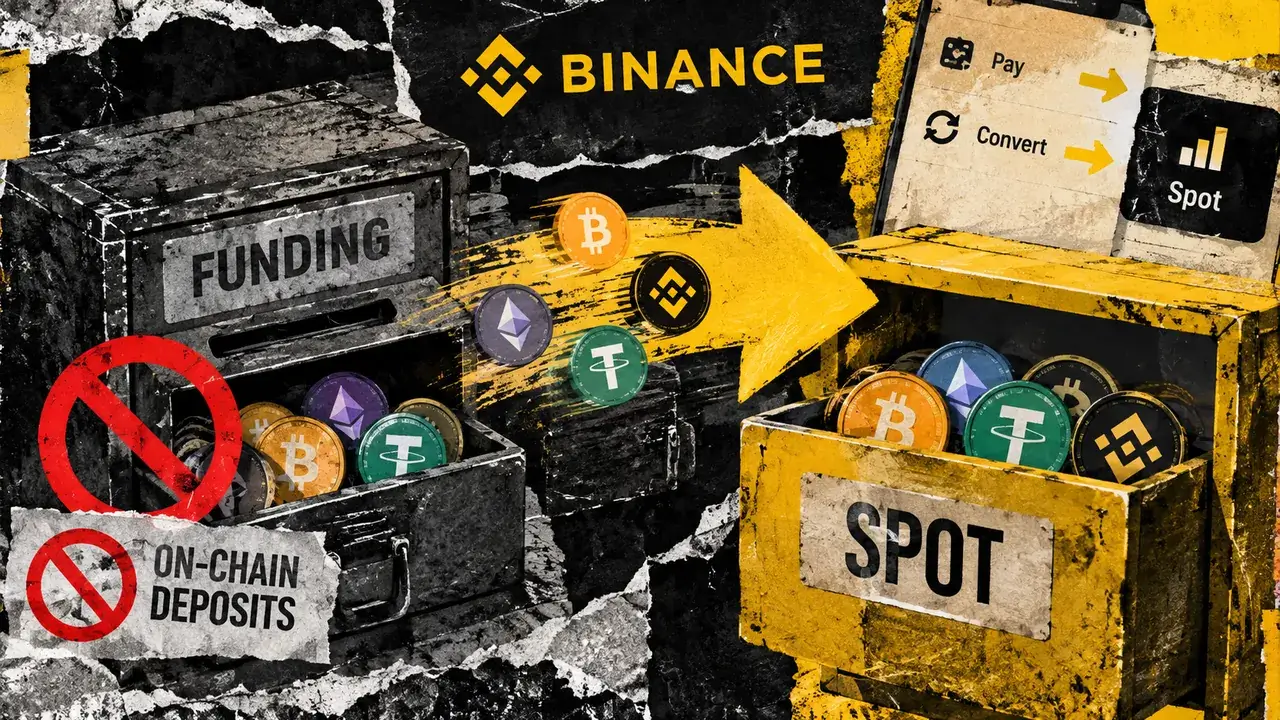
Binance ends Funding Account crypto deposits as Pay and Convert move to Spot
From Sept. 29, Binance says Funding Accounts no longer accept direct on-chain crypto deposits. Users depositing crypto must use Sp...

Sparkling Launches the Trading App That Comes With an Agent
Abu Dhabi, UAE, September 30th, 2026, Chainwire Trade crypto, perpetual futures, prediction markets and tokenized US stocks from o...

BitMart Proposes Court-Backed Plan Offering Users Payouts or Tokens Tied to Its 2021 Hack
BitMart has published a preliminary plan for repaying its users, more than two months after the crypto exchange began winding down...

Ethereum Price Prediction: Leverage Cools as Spot Demand Drives ETH
Ethereum price is trading at $2,690, up by 1.6% over 24 hours, as derivatives exposure contracts and spot demands turn ETH predict...

EU Presses Binance Over ‘Reverse Solicitation’ Exemption for Users: Report
Regulators are probing how the exchange keeps serving EU customers from Abu Dhabi, months after it lost its MiCA registrations.

Japan’s biggest payment network opens its doors for crypto via Binance Pay
Japanese payment provider PayPay added Binance Pay on Sept. 30, letting eligible overseas visitors pay from their crypto balances...