Bolivia Calls Crypto ‘Reliable Alternative’ in New El Salvador Partnership Deal
Bolivia’s Central Bank has signed a memorandum of understanding with El Salvador’s National Commission of Digital Assets to promote crypto development, marking a dramatic policy reversal for a nation that previously bann...
Archive context
Older archive item. Useful for background and entity history, but not a fresh market-moving signal.

Bolivia’s Central Bank has signed a memorandum of understanding with El Salvador’s National Commission of Digital Assets to promote crypto development, marking a dramatic policy reversal for a nation that previously banned virtual assets and now calls them a “reliable alternative” to traditional currencies.
The cooperation agreement enables mutual information exchange and knowledge sharing on blockchain intelligence tools, risk analysis, and regulatory experiences between both institutions.
Source: Press ReleaseBolivia’s Virtual Asset Usage Explodes 532% in One YearBolivia’s virtual asset usage surged from $46.5 million to $294 million between June 2024 and June 2025 following regulatory changes.
Source: ReutersThe partnership comes into effect immediately for an indefinite period. This positions Bolivia to benefit from El Salvador’s pioneering regulatory framework and practical experience as the world’s first country to adopt Bitcoin as legal tender.
El Salvador’s CNAD has become a fundamental actor in the global digital assets ecosystem.
Bolivia’s embrace of cryptocurrency contrasts sharply with its historical stance, having previously maintained strict prohibitions on virtual assets before implementing Board Resolution 082/2024 in June 2024.
The policy shift enables legal use of virtual assets for cross-border transactions and e-commerce payments.
The agreement consolidates progress made in establishing digital assets as viable alternatives for families and small entrepreneurs.
At the same time, Bolivia’s Central Bank commits to developing policies that modernize the financial system and deepen financial inclusion through regulated cryptocurrency ecosystems.
El Salvador’s experience provides valuable guidance despite recent International Monetary Fund restrictions that have capped the country’s Bitcoin purchases and mandated privatization of the state-run Chivo wallet by July 2025.
Bolivia’s Cryptocurrency Revolution Gains MomentumEarlier this year, the Central Bank of Bolivia authorized state oil company YPFB to use cryptocurrency for purchasing crude oil and diesel from international vendors in March 2025.
They aimed to address foreign currency shortages that created fuel supply disruptions across the country.
President Luis Arce’s cabinet granted YPFB permission to conduct fuel import deals using either USD or cryptocurrency, with Bolivia requiring at least $60 million weekly for fuel imports.
The decree instructs YPFB to make budgetary adjustments covering financial costs within applicable regulations.
Bolivia’s cryptocurrency adoption has accelerated rapidly, with virtual asset transactions exceeding 1.1 million from July to September 2024, compared to 932,000 in the six months before then.
Six financial institutions began operating with virtual assets, reporting 40% growth in operations between July and August.
The Central Bank launched educational initiatives, conducting over 33 workshops nationwide, reaching more than 3,000 participants to inform the public about virtual asset characteristics and risks.
The legal framework enables Bolivians to use cryptocurrency for cross-border transactions and e-commerce payments.
The partnership with El Salvador provides technical expertise for developing secure and regulated cryptocurrency ecosystems.
Source: Press ReleaseBolivia joins a growing number of countries using cryptocurrency for international trade, particularly those seeking alternatives to traditional banking systems amid sanctions or political tensions.
El Salvador’s Bitcoin Model Faces IMF ConstraintsEl Salvador maintains approximately 6,244 Bitcoin worth $742 million despite IMF loan agreement restrictions preventing new government purchases since February 2025.
The $1.4 billion loan program requires the country to maintain unchanged Bitcoin holdings and privatize the Chivo wallet.
President Nayib Bukele’s previous claims of daily Bitcoin purchases have been contradicted by IMF documentation confirming no new acquisitions since the loan agreement.
On-chain activity showing Bitcoin movements between wallets represents internal transfers rather than fresh purchases.
The IMF praised El Salvador’s updated Bitcoin policy for reducing fiscal risk and strengthening transparency, noting these steps help stabilize inflation and restore macroeconomic stability.
However, Bitcoin is no longer considered mandatory legal tender under the agreement.
El Salvador’s Bitcoin experiment appears to be faltering under the weight of an IMF loan agreement and declining public engagement.#IMF #ElSalvadorhttps://t.co/65lADRixOH
— Cryptonews.com (@cryptonews) July 26, 2025El Salvador’s CNAD has consolidated its position as a regional leader in cryptocurrency regulation, promoting innovation, security, and regulatory compliance throughout the digital assets sector.
The country’s regulatory framework remains among the most developed and advanced in promoting virtual assets globally.
The My First Bitcoin organization reported that government-backed education and adoption efforts have stalled since the IMF deal, with declining public engagement in cryptocurrency learning programs.
The shift has raised questions about the long-term viability of El Salvador’s original Bitcoin vision.
The post Bolivia Calls Crypto ‘Reliable Alternative’ in New El Salvador Partnership Deal appeared first on Cryptonews.
Why this matters
This cryptocurrency story adds another data point to the current market tape and is useful when read alongside nearby source coverage.
Original source
Read on CryptonewsRelated market context

Evernorth XRP Treasury Merger Brings 473 Million XRP to Nasdaq as XRPN Debuts October 12
The transaction gives public-market investors another route to gain exposure to XRP through a company that actively manages its di...
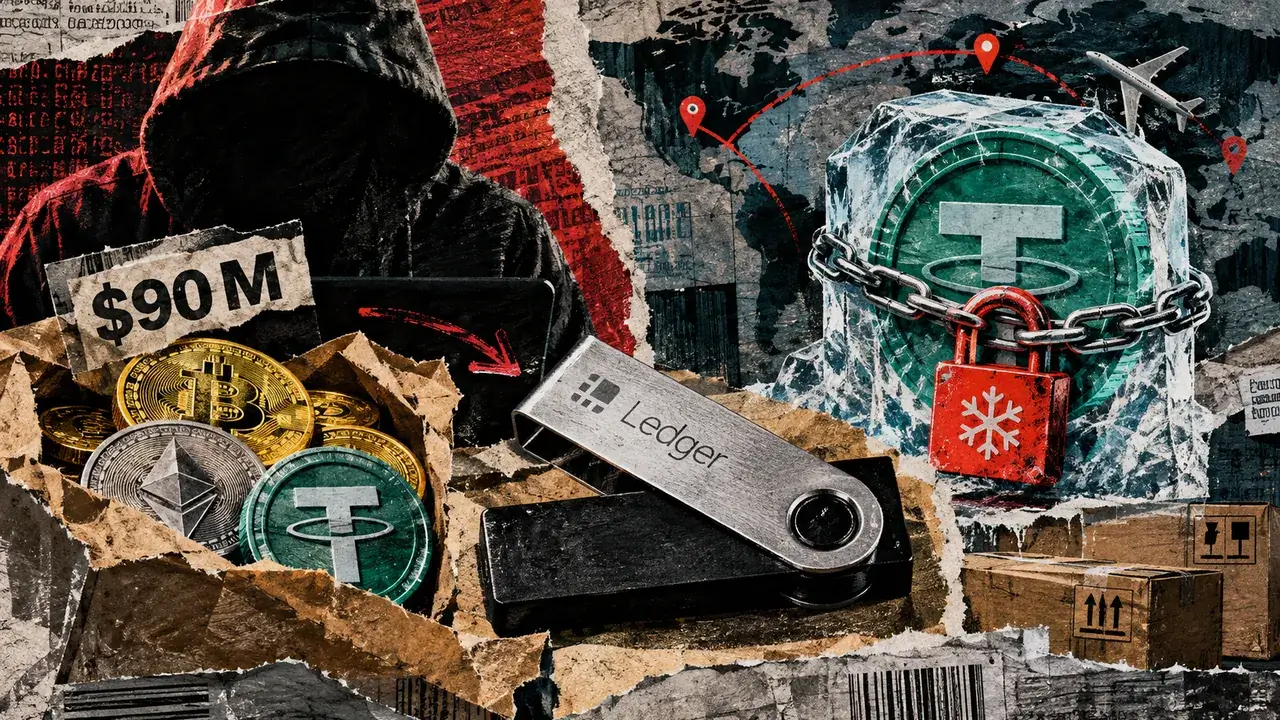
Ledger hack scare nears $90 million as Tether moves to freeze stolen USDT
Suspected Ledger wallet thefts are approaching $90 million as Tether freezes USDT stablecoin linked to the incident, according to...

Jeonbuk Bank launches South Korea’s first Bitcoin-backed loans for corporate clients
Jeonbuk Bank's Bitcoin-backed loans could catalyze broader crypto adoption in South Korea, influencing regulatory and financial la...
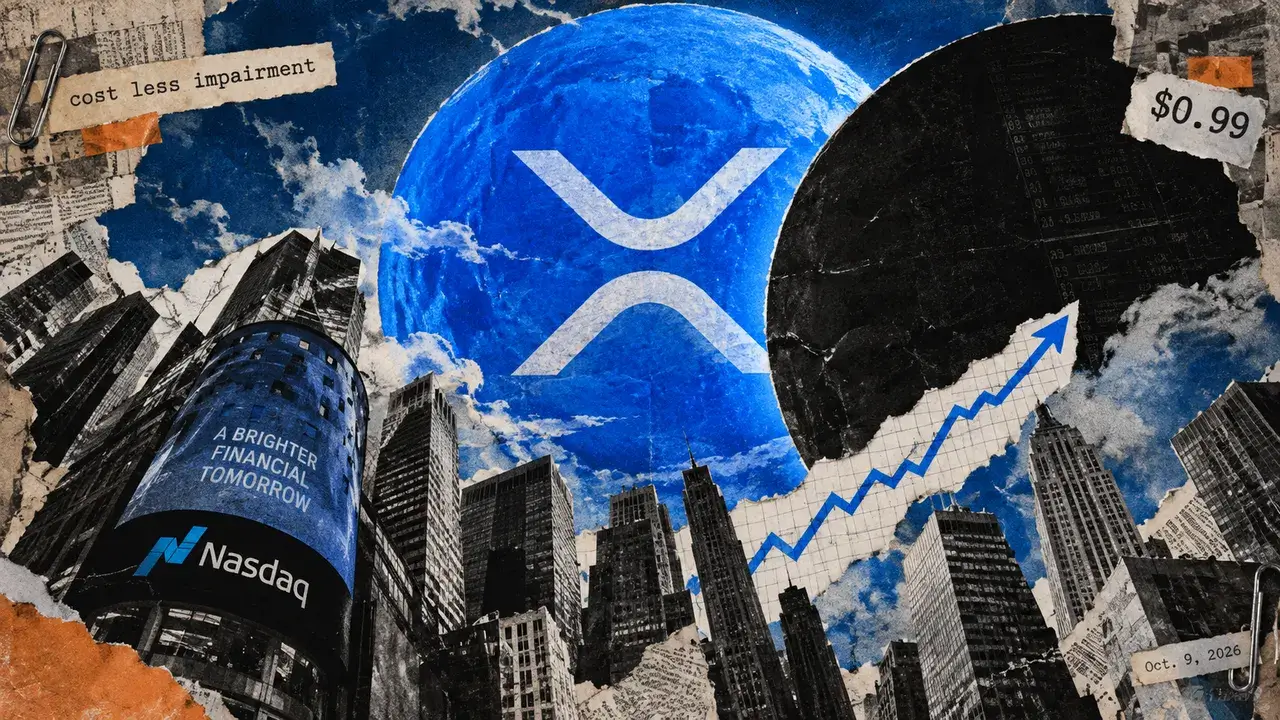
XRP’s next Wall Street expansion comes with an unexpected complication from Ripple
Evernorth is preparing to begin trading on Nasdaq on Monday, bringing approximately 473 million XRP into a publicly traded treasur...
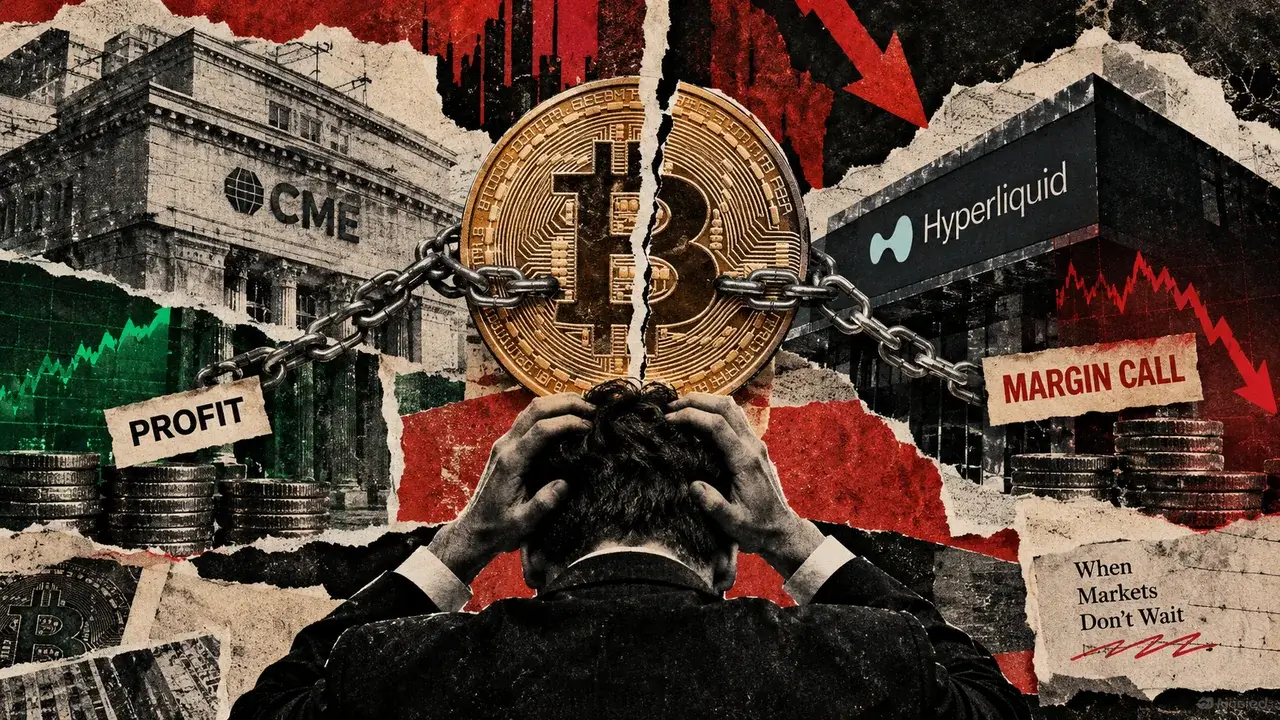
Bitcoin hedge funds face a liquidation trap when their collateral is split across markets
Here's a hypothetical situation: a hedge fund is making money, but one of its exchanges is about to liquidate its position anyway....

PeckShield traces $3.89 million from Ledger wallet drain to Binance deposits
The incident highlights vulnerabilities in hardware wallet supply chains and the challenges of tracing stolen crypto across decent...