Central Bank of Argentina Bans Private Banks From Offering Cryptocurrency Services
The Central Bank of Argentina has taken steps to ban private banks from offering cryptocurrency services to customers in the country. The action comes after two banks had started offering cryptocurrency purchasing servic...
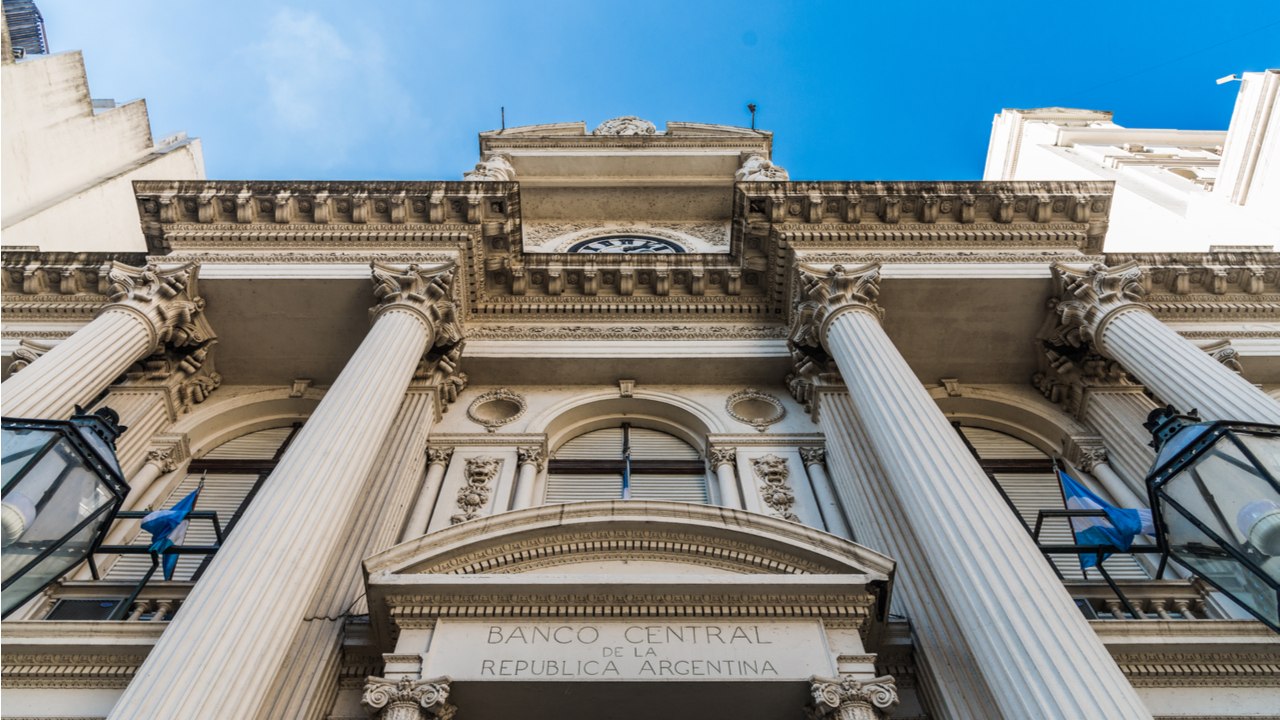
The Central Bank of Argentina has taken steps to ban private banks from offering cryptocurrency services to customers in the country. The action comes after two banks had started offering cryptocurrency purchasing services from their apps. The measure is said to be directed at mitigating risks associated with cryptocurrency assets.
Central Bank of Argentina Closes Banking Crypto OffersThe Central Bank of Argentina is tightening its permissive attitude when it comes to the links between cryptocurrency assets and private banks. The institution has issued a document that deals with the offering of cryptocurrency purchasing and trading services through these institutions, banning them from facilitating such transactions for Argentinian citizens.
The document explains:
Financial entities may not carry out or facilitate their clients to carry out operations with digital assets, including crypto assets and those whose yields are determined based on the variations that they register, that are not regulated by the national authority and authorized by the Central Bank of Argentina (BCRA).
Furthermore, the institution argues that the objective behind this measure is to mitigate the risk that the users and financial institutions face when using these assets as investment vehicles. This announcement comes after two private banks in the country, Banco Galicia and Brubank, had announced they were introducing cryptocurrencies as part of their financial services offerings to their customers.
Other MotivesHowever, according to some local media reports, there may be other motives behind this prohibition by the central bank. The organizations reportedly already consulted the central bank in private, who gave them an approbatory nod, owing to the fact that banks operating with cryptocurrency assets is unregulated, and thus not illegal.
Per financial sources, the cryptocurrency operations might also cause a demand in dollars that would increase the breach between the official dollar price and the dollar on the black market, called the “blue” dollar. Argentina has exchange controls, and this could have influenced the decision to stop these operations before they became more important in the bigger economic picture.
The difference between the official dollar and the blue dollar has remained the same, with the latter being about 80% more expensive than the former, meaning that the volumes traded during these days did not exert any influence on this exchange rate.
Another possible reason for this measure has to do with the deal that Argentina inked with the International Monetary Fund to pay its debt, which includes a requirement stating the country will disincentivize the use of cryptocurrencies, and allowing private banks to offer these services would be contrary to this.
What do you think about the resolution issued by the Central Bank of Argentina that bans private banks from offering cryptocurrency to their customers? Tell us in the comments section below.
Original source
Read on Bitcoin NewsRelated market context

The future of vaults: neobanks and invisible DeFi
The following is a guest post and opinion from Vincent Maliepaard, VP of Marketing at Sentora. On January 26, 2026, Kraken launche...

Fortune Names 30 Crypto Innovators for 2026
Key Takeaways: Fortune has just released its list of the top 30 companies and projects that are changing the face of the crypto se...

Kraken Adds USDCx Support On Canton As Institutional Stablecoin Rails Expand
TL;DR Kraken says it now supports USDCx deposits and withdrawals on the Canton Network. USDCx is described as a Canton-native stab...

THE THIRD RUSH: Where is the “Bitcoin” of the Ai Goldrush?
After months of deep thinking & a lot of discussions with some very smart people, I’ve decided to write an article for the first t...

Sam Bankman-Fried loses appeal against crypto fraud conviction
The ruling underscores the judiciary's commitment to equating crypto fraud with traditional financial crimes, setting a stern prec...

Jason Yanowitz: Transparency and trust are vital for crypto growth, tokenization is reshaping financial markets, and regulation is necessary for industry maturity | Bell Curve
Tokenizing assets could revolutionize financial markets by bringing infrastructure on-chain and enhancing transparency. The post J...