China Backed Publication: Terra LUNA Crash Vindicates Country’s Ban on Crypto-Related Activities
An op-ed article published in the state-backed Chinese publication Economic Daily, has suggested that the recent crash of the Terra blockchain’s LUNA and the de-pegging of the UST stablecoin vindicate the Asian country’s...
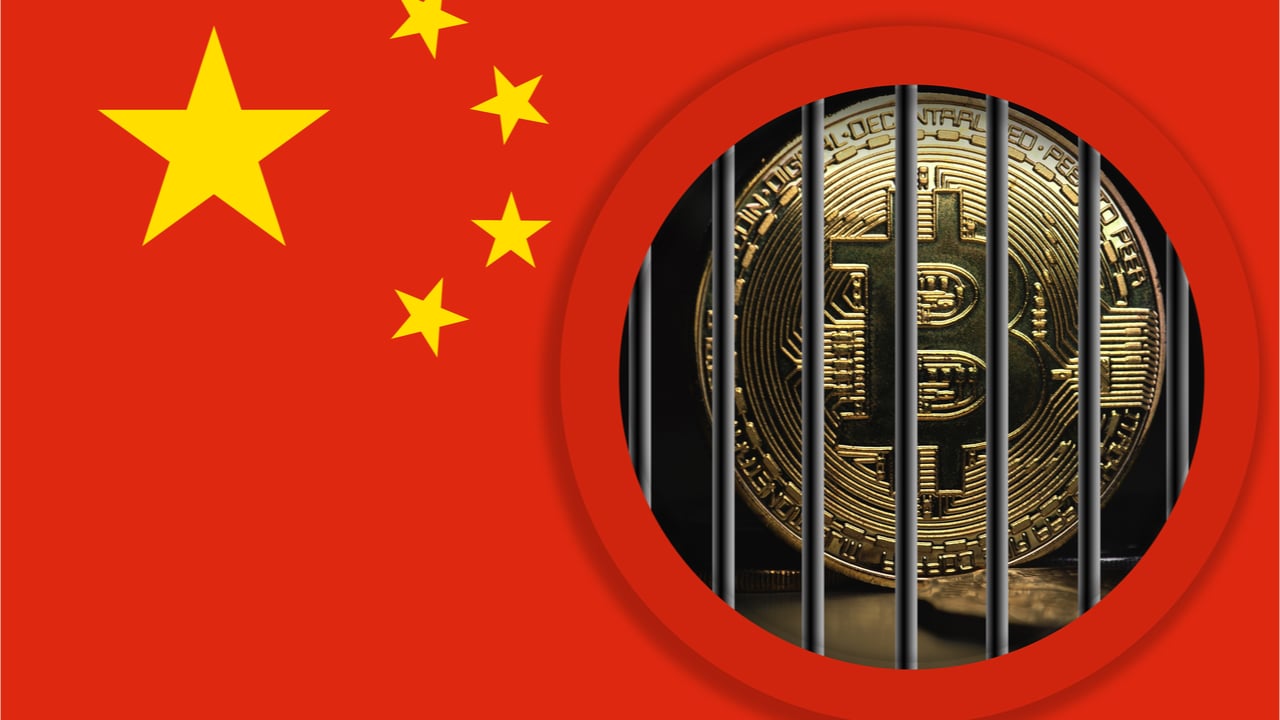
An op-ed article published in the state-backed Chinese publication Economic Daily, has suggested that the recent crash of the Terra blockchain’s LUNA and the de-pegging of the UST stablecoin vindicate the Asian country’s decision to ban crypto-related activities. In the article, the author names the interest rate hikes by the U.S. Federal Reserve and the buying and selling of crypto assets by several investment giants as the causes of the recent market crash.
Impact of Recent US Interest Rate Hike
An author writing for China’s state-backed publication, Economic Daily, has argued that the recent crash of Terra’s LUNA and the de-pegging of the UST stablecoin vindicates his country’s decision to block or prohibit virtual currency-related activities. The author, Li Hualin, also claimed that China’s “decisive” and “timely” action helped to “extinguish the ‘virtual fire’ of virtual currency speculation and put ‘protection locks’ on investors’ wallets.”
As reported by Bitcoin.com News, Terra blockchain’s native token LUNA’s troubles started after the network’s other project, the algorithmic stablecoin UST, lost its peg against the U.S. dollar. Initial efforts to rescue the stablecoin precipitated the native token’s plunge from a price of over $87 on May 4, 2022, to a current price of just under $0.0003.
While some crypto experts have placed the blame for the token’s crash on the actions of the project’s leader, Do Kwon, in the opinion piece, the Chinese author appears to attribute the token’s fall mainly to the raising of interest rates by the U.S. Federal Reserve. Explaining how the rate rise caused the token to plummet, the author wrote:
Since the beginning of this year, the Federal Reserve has launched an interest rate hike cycle, and global liquidity has tightened. Especially in early May, the Federal Reserve raised interest rates by 50 basis points at a time, which had a negative impact on capital and market sentiment, and virtual currencies were the first to bear the brunt.
Virtual Currency and the Chinese Law
Following the crash of the two Terra tokens, some within the crypto community are still trying to piece together what may have caused the spectacular collapse. However, others have already accused two firms, Blackrock and Citadel, of being behind LUNA’s woes. These allegations have been rejected by the firms.
The Chinese author, in the meantime, claims in the piece that the involvement of investment giants in crypto markets “can lead to violent fluctuations in currency values, triggering a large number of sell-offs.”
Hualin also reiterated that virtual currency transactions are not protected by Chinese law. These comments appear to contradict the recent Shanghai High People’s Court judgment affirming bitcoin to be a virtual asset protected by Chinese law.
The author ends the article by urging investors to “remain rational, promptly eliminate the greed of bottom-hunting and get rich overnight, and stay away from related trading speculations, otherwise it is very likely that ‘currency will go to the fortune.'”
What are your thoughts on this story? Tell us what you think in the comments section below.
Original source
Read on Bitcoin NewsRelated market context

Carlos Domingo: The DTCC is repeating telecom’s mistakes, banks need the Clarity Act more than crypto, and stablecoins set the benchmark for tokenized assets | The Wolf Of All Streets
Financial institutions must choose between proprietary systems or embracing open blockchain technologies for future growth. The po...
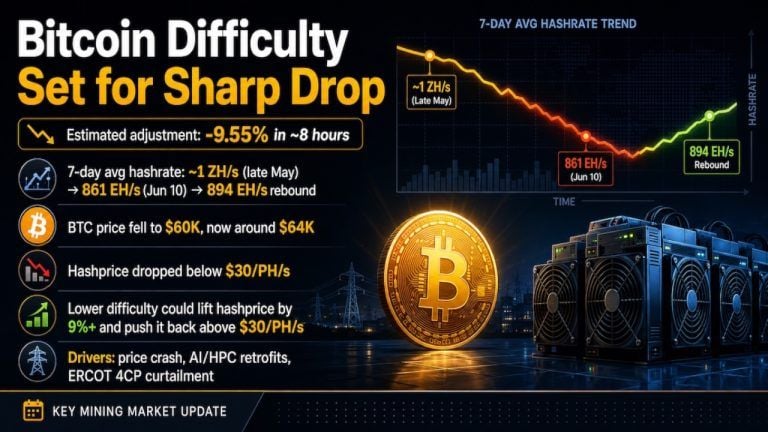
Bitcoin Mining Difficulty Set for Steep Drop as Hashrate Slides After Price Crash
Bitcoin’s mining difficulty is on track for the second-largest downward adjustment this year, offering a reprieve to miners after...

Wall Street and crypto are crashing into each other as tokenized treasury markets hit $14.6 billion
Not all crypto exchange executives agree, but the data does not lie: centralized exchange trading volumes dropped more than 11% to...

Japan Three Biggest Banks Unite to Launch Yen Crypto Stablecoin by March 2027
MUFG Bank, Mizuho Bank, and Sumitomo Mitsui Banking Corporation have established a formal joint council to develop and co-issue a...

SpaceX’s IPO exposes the first crack in tokenized stocks – fragmented ownership and allocation
SpaceX priced its IPO at $135 per share on June 11, raised $75 billion in the largest public offering in history, and opened on Na...
SEC Plan to Scrap Rule 611 Could Be the Biggest Regulatory Unlock Yet for Crypto Tokenized US Stocks
The SEC just removed the single biggest legal obstacle standing between Crypto DeFi and US equity markets. On June 11, the agency...