Coinbase to suspend trading of MOVE token
Crypto exchange Coinbase has announced it will suspend trading of the Movement Network token (MOVE), the native cryptocurrency of the Movement layer-2 blockchain protocol, developed by Movement Labs, effective May 15.The...
Archive context
Older archive item. Useful for background and entity history, but not a fresh market-moving signal.
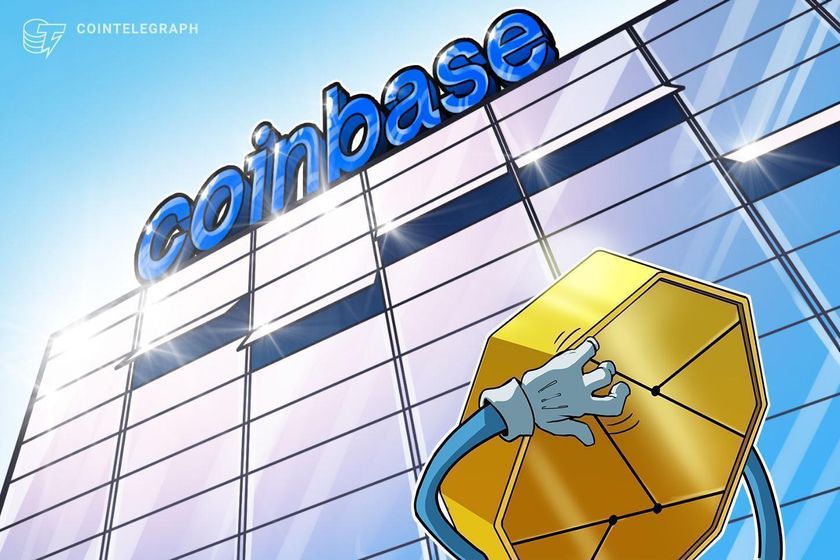
Crypto exchange Coinbase has announced it will suspend trading of the Movement Network token (MOVE), the native cryptocurrency of the Movement layer-2 blockchain protocol, developed by Movement Labs, effective May 15.
The decision was shared in a May 1 X post, with Coinbase citing the token’s failure to meet its listing standards. The price of the MOVE token also declined by approximately 14.5% in the last 24 hours. Coinbase specified the details of the suspension in an announcement:
“Trading for MOVE will be suspended on Coinbase, Simple and Advanced Trade, Coinbase Exchange, and Coinbase Prime. We have moved our MOVE order books to limit-only mode. Limit orders can be placed and canceled, and matches may occur.”The suspension of the token follows a recently announced third-party review orchestrated by the Movement Network Foundation into an agreement allegedly signed by Movement Labs and a market-making firm, which is said to be behind the downfall of the MOVE token price in December 2024.
Source: Coinbase AssetsA Movement Network Foundation spokesperson recently confirmed to Cointelegraph that the third-party investigation, which commenced on April 21, is ongoing. The investigation is being conducted by Groom Lake, an independent cybersecurity and intelligence firm, and has cast a cloud over the MOVE token's price.
Related: Binance to purge 14 tokens following ‘vote to delist’ process
Investigation launched into Movement Labs dealThe details of the ongoing investigation, reported by CoinDesk on April 30, revealed an agreement between Movement Labs and Web3Port, a market maker to help distribute the Move token at launch.
According to the report, a company called “Rentech” helped to broker the agreement between the two firms, appearing on both sides of the deal — as a Web3Port subsidiary and as an agent of the Movement Foundation.
The deal reportedly gave Rentech control of over 66 million MOVE tokens that it sold off after the token launch in early December 2024, triggering $38 million in downward price pressure.
The price action for the MOVE token. Source: TradingViewThe MOVE token has been in a downtrend ever since early January 2025 and is trading at around $0.20 at the time of this writing.
Magazine: Arbitrum co-founder skeptical of move to based and native rollups: Steven Goldfeder
Why this matters
This cryptocurrency story adds another data point to the current market tape and is useful when read alongside nearby source coverage.
Original source
Read on CointelegraphRelated market context

XRP News: Exchange Churn Surges, Binance Reserves Barely Move
Binance recorded average XRP inflows of 21,718,631 tokens per day last week, a figure 663% above the exchange’s quarterly baseline...

Coinbase Exchange and Coinbase Advanced shift WMTX-USD pair to limit-only mode
The shift to limit-only mode may stabilize prices but could also hinder liquidity, potentially leading to delisting if trading vol...

Robinhood Crypto Chain’s $146M Tokenized-Stock Bet Faces Its First Fee Test
Robinhood crypto chain had attracted $146 million in tradeable tokenized stocks, just weeks before the free-gas promotion that hel...

Robinhood plans to launch tokenized stock trading in US by 2027
Robinhood's move could revolutionize US stock trading by enhancing liquidity, accessibility, and efficiency through blockchain tec...

Coinbase CEO Brian Armstrong meets institutional clients in Singapore as exchange expands APAC footprint
Coinbase's strategic focus on Singapore could significantly enhance its influence and competitiveness in the rapidly growing APAC...
Why this investment bank expects little demand for tokenized stocks despite SEC’s new trading rules
TD Cowen expects limited demand for tokenized stocks despite new SEC rules opening a path for trading outside traditional markets.