Coinbase Vs. State Regulators: Crypto Exchange Fights Legal Fragmentation
US-based crypto exchange Coinbase has made a significant appeal to the Department of Justice (DOJ) regarding a wave of lawsuits aimed at its operations. The company is urging federal action to address what it describes a...
Archive context
Older archive item. Useful for background and entity history, but not a fresh market-moving signal.

US-based crypto exchange Coinbase has made a significant appeal to the Department of Justice (DOJ) regarding a wave of lawsuits aimed at its operations. The company is urging federal action to address what it describes as an “increasingly fragmented and hostile” regulatory landscape for the crypto market.
Coinbase Urges Federal ActionIn a recent letter, Coinbase highlighted the steps taken by the current Administration to create a more equitable framework for digital asset regulation. This includes the introduction of stablecoin legislation and two pending bipartisan market-structure bills aimed at fostering uniformity in the oversight of cryptocurrencies.
Coinbase argues that these initiatives have begun to mitigate the adverse effects of the previous Administration’s enforcement-driven regulatory approach.
However, the company warns that certain states are perpetuating this problematic trend by adopting “expansive and flawed” interpretations of securities laws and implementing new licensing requirements that undermine the federal government’s pro-innovation stance.
They make an example with the Oregon Attorney General, who has filed a lawsuit against Coinbase, claiming that many digital assets traded on its platform qualify as alleged unregistered securities.
The letter affirms that the suit not only targets Coinbase but also encourages other states to address what the Attorney General perceives as a regulatory gap left by federal authorities.
Similarly, the New York Attorney General has initiated legal action to regulate transactions involving digital assets based on decentralized protocols as securities, further complicating the regulatory environment.
Coinbase has faced cease-and-desist orders from four states, which demand the company halt its retail staking services. These orders are deemed by Coinbase as “legally unfounded and inconsistent.”
Unified Framework For Digital AssetsIn light of these challenges, the letter to the DOJ calls for urgent federal intervention to establish broad preemption provisions. The crypto exchange argues that preemption has historically been an effective tool for addressing state interference in national markets, referencing past Congressional actions.
Coinbase contends that the current patchwork of state regulations not only disrupts market efficiency but also leads to unequal access to cryptocurrency services based on geographic location.
To remedy these issues, Coinbase advocates for Congress to adopt legislation that would exempt federally regulated digital assets from state blue-sky laws and clarify that state licensing requirements do not apply to crypto intermediaries.
Additionally, the company urges the SEC to expedite rulemaking and provide clearer guidance on why digital asset transactions and services, including staking, should not be classified as securities. Such clarity would help prevent states from imposing conflicting regulations based on their interpretations of securities laws.
Featured image from Shutterstock, chart from TradingView.com
Why this matters
This cryptocurrency story adds another data point to the current market tape and is useful when read alongside nearby source coverage.
Original source
Read on NewsBTCRelated market context
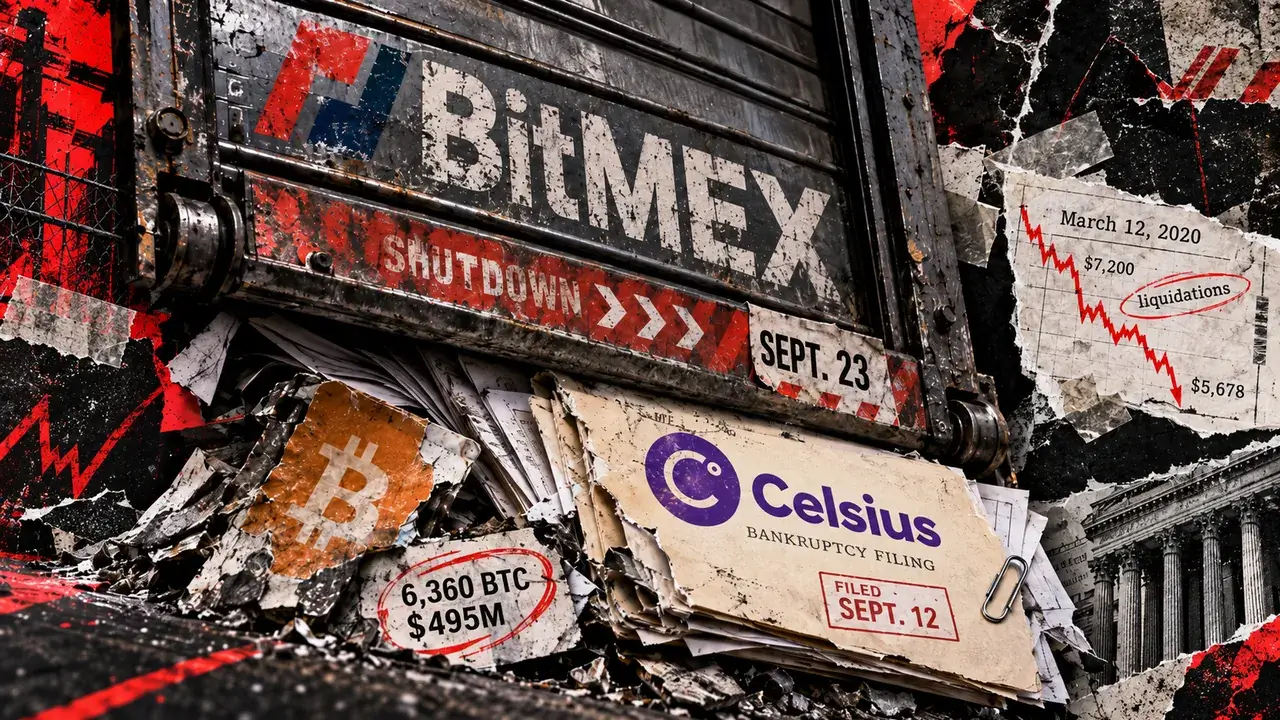
Celsius sues BitMEX for $495 million just 11 days before exchange shutdown
Celsius Network’s bankruptcy estate has sued BitMEX over a 2020 liquidation cascade it says cost more than 6,360 Bitcoin. The comp...

Senate Blocks $2.3T Crypto CLARITY Act in 49-50 Vote, Bitcoin Slides Fast Below $76K
Key Takeaways: A 49 to 50 vote was taken in the Senate but was short of the 60-vote threshold needed to move the CLARITY Act forwa...
SEC proposes to rescind Rule 14a-8, shifting shareholder proposal power back to states
Shifting shareholder proposal power to states may lead to varied corporate governance standards, impacting investor influence and...

CFTC Chairman Says Agency Will Write Crypto Rules After Clarity Act Vote Fails
Bitcoin Magazine CFTC Chairman Says Agency Will Write Crypto Rules After Clarity Act Vote Fails Commodity Futures Trading Commissi...

Robinhood Crypto Engineers Face Charges After $100K+ Hyperliquid Trading Scheme
Key Takeaways: Robinhood’s two engineers face fraud charges for alleged trading in cryptocurrencies about to be listed. Both were...

Bitcoin (BTC) Price Prediction: Will FOMC Volatility Break Bitcoin Out of Its $76K Standoff?
The Bitcoin price has pulled back sharply from its recent highs while the upcoming FOMC decision could introduce a fresh volatilit...