Crypto in Context: In from the Fringe
To assess the trajectory that cryptocurrencies may be on, it’s useful to look back at the arcs that new technologies and ways of thinking have taken in the past. A familiar pattern is that novel tech is regarded as eccen...
Archive context
Older archive item. Useful for background and entity history, but not a fresh market-moving signal.

To assess the trajectory that cryptocurrencies may be on, it’s useful to look back at the arcs that new technologies and ways of thinking have taken in the past. A familiar pattern is that novel tech is regarded as eccentric and essentially pointless, while any potential utility is overlooked.
And, to be fair, new technologies often do, at the outset, appear outlandish, unreliable and even crank-like, attracting enthusiasts who think and talk in unfamiliar ways. Given consideration, though, none of this should come as a surprise.
The newest technologies are, by their nature, unfinished. They will come without professional packaging or money-back guarantees, as they are still in the process of being actualized and improved. Their ultimate purposes may or may not be clearly decided, since, as previously-unseen tools, there might be applications that simply haven’t been imagined yet.
And, as for attracting unconventional people, that too should be expected. In order to work on or adopt unproven products that have no mainstream presence, one must be the type of character who spends time looking beyond the center ground, and also, perhaps, the kind of person who would like to initiate change.
Put simply, the appearance of a tech which is initially, on the face of it, ambiguous baffling and talked up by advocates with unusual points of view, should set off not alarm bells, but wake-up calls, indicating that something important might be starting.
The Early Web and Computer Games
A relevant example of something that made little sense to many observers at the start, but subsequently altered the world, is web technology. Undoubtedly, at first, a nerdish enterprise, but don’t forget that it was also dismissed, sometimes, as being without significant utility.
That we would be able to shop online was acknowledged, but often with a so-what attitude, the prevailing view being that very few people would want or need to shop via a computer rather than in person.
When it came to what we now call social media, the idea of engaging online and at length, and sometimes with strangers, initially came across as deeply anti-social. The view was that socializing online was the preserve of people who were not inclined to interact with others in the real world, and chose to stare at screens instead.
And then, there is gaming, which has become a gargantuan entertainment industry, and about as mainstream an activity as you can find. Yet, go back a few decades, and while arcade gaming may have exuded some cultural cachet, home gaming, in the point-and-click, sometimes text-based era, was decidedly niche and lacking in sheen.
Are Cryptocurrencies Misunderstood?
Just as the web, social media and home gaming were all widely misunderstood at first, but have evolved into polished, profitable and transformative technologies, so we can perceive what may become similar patterns if we turn our attention to cryptocurrencies.
Bitcoin has at times been regarded as flaky, fraudulent and without real substance, and yet since its inception, adopters and advocates have maintained the exact opposite: that bitcoin is in fact immutable and consistent, was created with honest intent, and is the hardest asset in existence.
What’s more, the most committed bitcoiners often match precisely with the pioneer archetype, being unusually single-minded and resilient to criticism through possessing technical foresight that others have not yet become attuned to.
Non-fungible Trojan Horses?
Perhaps the area of crypto that is currently most widely misunderstood is NFTs. Bitcoin has been described as a Trojan Horse, smuggling in freedom and monetary revolution through the attraction of a rising price, but NFTs are also functioning as Trojan Horse technology, albeit in different ways.
NFTs pull in interest through a combination of cultural momentum, memes, and the potential, through their volatility and when market conditions are primed correctly, to generate tremendous profits.
It’s also the case that they are regarded by many as nothing more than cartoonish pictures that happen to have been linked up with blockchains, but not for any specific useful purpose. This leads to the right-click-save dismissal, which asserts that there is no point in buying an NFT when you can just download the image for free.
However, this view fails to take into account factors such as provenance and authenticity, which are hugely important in the art world. If we establish that NFTs are useful tokens of authenticity when trading digital art, we should also perceive that using NFTs for artistic provenance is akin to a proof-of-concept pilot application and indicates further utility yet to be unpacked and developed.
NFTs are data tokens that are unique and can be securely self-custodied and traded, with access locked and unlocked by the holder, and all in a decentralized manner (although they can certainly be linked to data that is not decentralized).
As such, NFTs can enable the movement of data and digital assets in novel ways. It’s curious that such significant tech should enter mainstream awareness on a burst of trading activity around pixelated punks and anthropomorphized apes, but to conclude that there is nothing more to come beyond expensive JPEGs would be inattentive.
Taking a broader historical context, such an assessment might be similar to having imagined that ecommerce would only ever serve a handful of computer enthusiasts, or that gaming was a passing fad when both were in fact moving in from the fringes.
This article was written by Sam White at www.financemagnates.com.Why this matters
This cryptocurrency story adds another data point to the current market tape and is useful when read alongside nearby source coverage.
Original source
Read on Finance MagnatesRelated market context

Standard Chartered says Ethena’s ENA could crush Bitcoin and Ethereum returns by 2028
Standard Chartered expects Ethena’s ENA token to rise about sevenfold by 2028, provided the protocol can rebuild its shrinking syn...
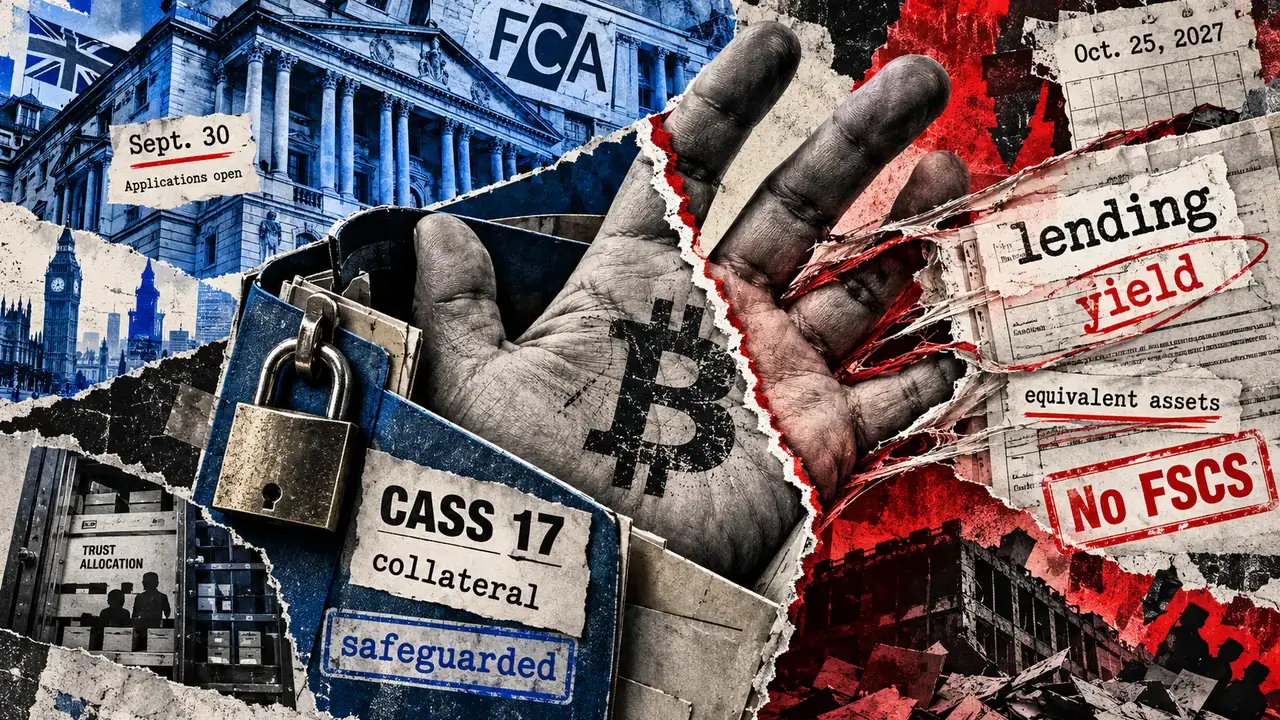
UK’s 2027 crypto rules let firms remove trust protection from Bitcoin lent for yield
UK crypto firms can now apply for authorization as of Sept. 30, bringing Bitcoin holders closer to a rulebook that will treat coin...
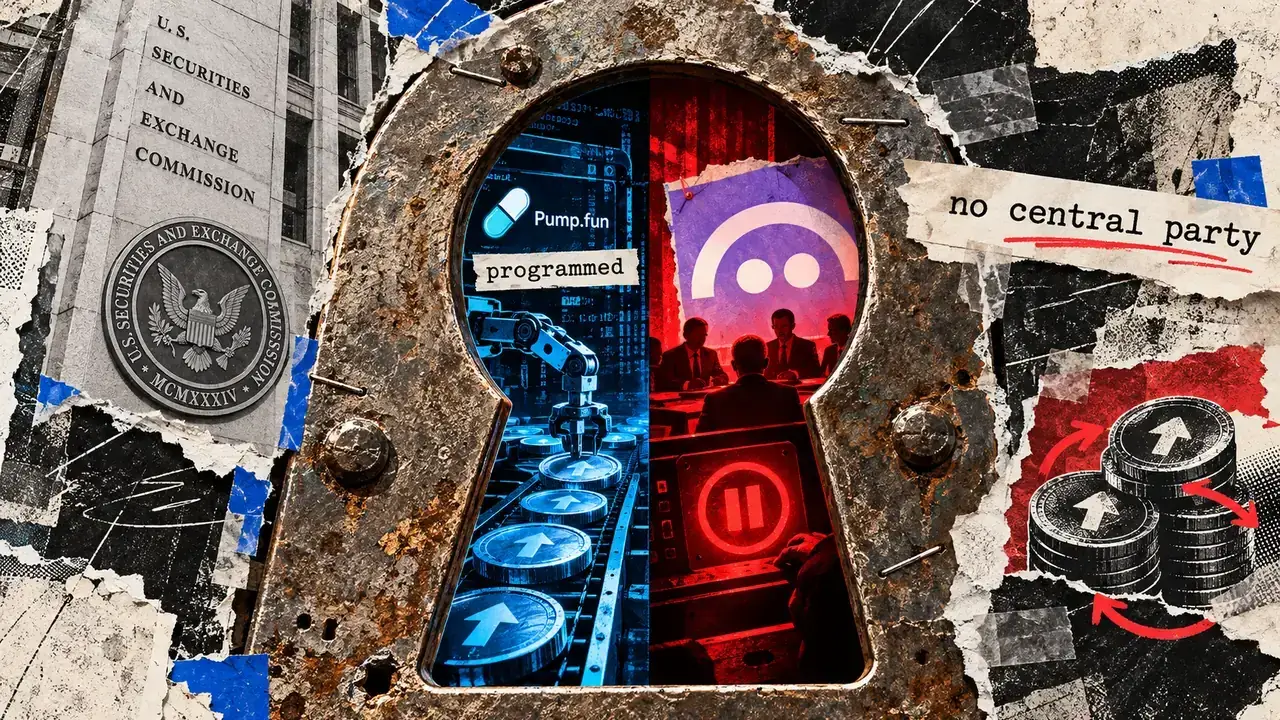
SEC changes token buyback guidance as spending hits $638M
The US Securities and Exchange Commission tightened its guidance for crypto token buybacks just three days after publishing it. On...

Ethereum Price Prediction: Could Aztec’s zk.money Drive ETH Higher as Zcash Fuels Privacy Narrative?
Ethereum is trading at $2,665, flat over 24 hours, leaving it below the $2,700–$2,735 resistance band as our recent price predicti...

Perplexity AI Predicts Insane $40 Price Target for XRP: How Did It Get There?
Perplexity AI predicts something that few analysts or other AI models do. It has produced an insanely wild bullish prediction for...
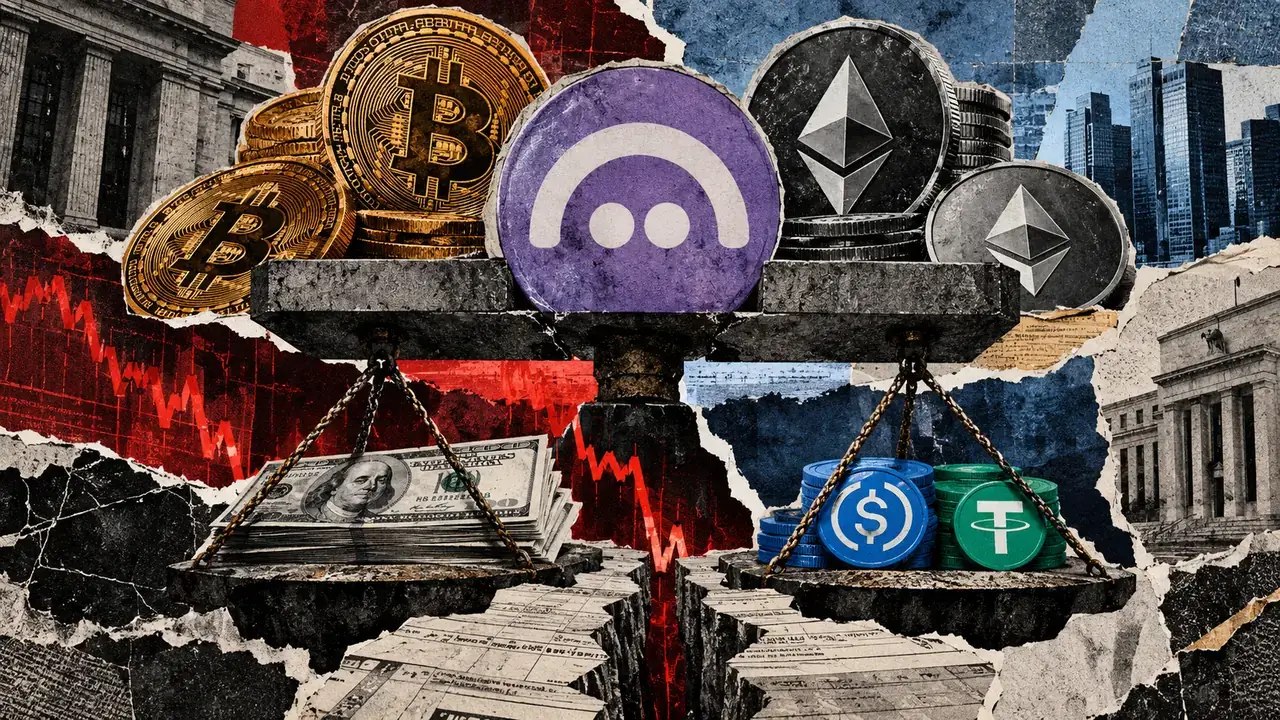
Aave’s $50 million lending plan could lose money without a single default
Aave’s proposed institutional lending business would put crypto collateral on both sides of the financing chain. Institutions woul...