Crypto Payments Are Acceptable in Foreign Trade, Russia’s Financial Watchdog Says
Russian financial watchdog Rosfinmonitoring is ready to accept the use of cryptocurrencies in international settlements, the head of the agency, Yuri Chikhanchin, has indicated. The statement adds to growing support for...
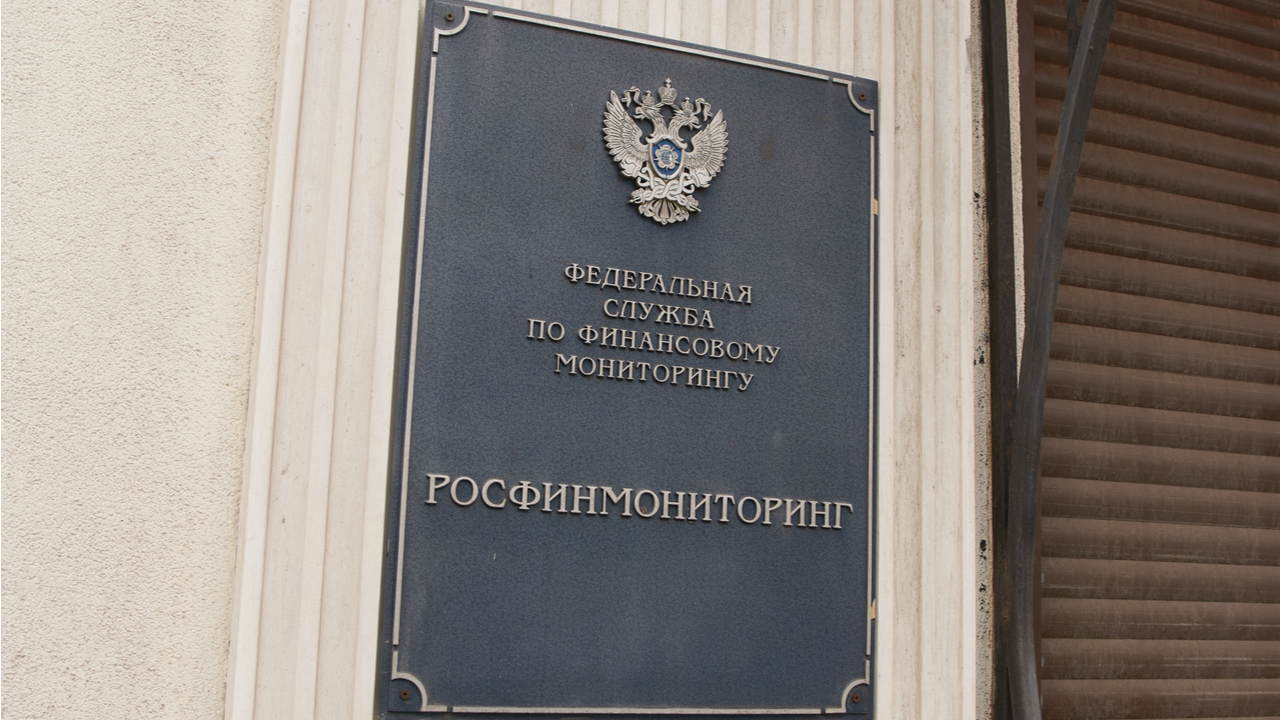
Russian financial watchdog Rosfinmonitoring is ready to accept the use of cryptocurrencies in international settlements, the head of the agency, Yuri Chikhanchin, has indicated. The statement adds to growing support for the legalization of international crypto payments in Russia amid financial restrictions imposed over its invasion of Ukraine.
Top Financial Regulator in Russia Welcomes International Crypto PaymentsThe Federal Financial Monitoring Service of the Russian Federation, also known as Rosfinmonitoring, fully accepts that cryptocurrencies can be employed for settlements with foreign partners, Yury Chikhanchin, director of the regulatory body has stated.
Speaking in the Federation Council, the upper house of Russian parliament, Chikhanchin emphasized that payments with digital assets inside Russia are prohibited by law. The country’s current legislation bans “money surrogates.”
However, under certain conditions, such payments may well be used in international trade, Chikhanchin said. The high-ranking official believes this can help businesses oriented towards exporting Russian products. Quoted by the Bits.media crypto news outlet, he also noted:
If the supply chain is controlled, then this is quite acceptable.
Yury Chikhanchin further emphasized that in order to take advantage of cryptocurrency payments, Russian companies need to know to whom exactly they are exchanging the digital currencies.
The regulator revealed that his department has developed and already launched a special information system for tracking crypto transactions. It allows financial authorities to identify both the sender and the recipient of funds and has been used already in some investigations.
The debate over the future of cryptocurrencies in Russia is still ongoing. A new bill “On Digital Currency” is expected to introduce more comprehensive rules for crypto transactions after the law “On Digital Financial Assets” regulated only some aspects of the crypto market.
The idea to use cryptocurrencies in international settlements has been gaining support amid mounting Western sanctions over Russia’s military intervention in Ukraine. At the same time, most government institutions in Moscow agree that the ruble should remain the only legal tender in the country.
While the Bank of Russia, a strong opponent of the free circulation of cryptocurrencies, recently signaled it could back the legalization of crypto payments that don’t penetrate Russia’s financial system, the lower house of Russian parliament recently adopted a law banning domestic payments with digital financial assets.
Do you think the Russian government will allow local companies to use cryptocurrencies for international payments? Tell us in the comments section below.
Original source
Read on Bitcoin NewsRelated market context

British forces board sanctioned Russian oil tanker in English Channel, exposing crypto-paid shadow fleet
The operation highlights the growing use of cryptocurrencies for sanctions evasion, potentially increasing regulatory scrutiny on...

UK armed forces intercept Russian shadow fleet in Channel, exposing crypto-powered sanctions evasion
The interception of Russia's shadow fleet highlights the evolving complexity of sanctions evasion, underscoring crypto's role in g...

Abu Dhabi airports to accept Bitcoin and crypto payments through new fintech partnership
The integration of crypto payments at Abu Dhabi airports signals a strategic shift towards mainstream digital currency adoption in...

Jason Yanowitz: Transparency and trust are vital for crypto growth, tokenization is reshaping financial markets, and regulation is necessary for industry maturity | Bell Curve
Tokenizing assets could revolutionize financial markets by bringing infrastructure on-chain and enhancing transparency. The post J...

The future of vaults: neobanks and invisible DeFi
The following is a guest post and opinion from Vincent Maliepaard, VP of Marketing at Sentora. On January 26, 2026, Kraken launche...

Iran to open Strait of Hormuz under new agreement, with crypto toll payments in the mix
Iran's crypto tolls for the Strait of Hormuz could escalate regulatory scrutiny on stablecoins, impacting global energy prices and...