ECB Favors Transparency Over Privacy in Digital Euro Design, Presentation Reveals
The European Central Bank (ECB) leans toward a “transparent” digital euro over one that ensures a higher level of privacy for its users, a presentation devoted to the project has indicated. In the document, the monetary...
Archive context
Older archive item. Useful for background and entity history, but not a fresh market-moving signal.
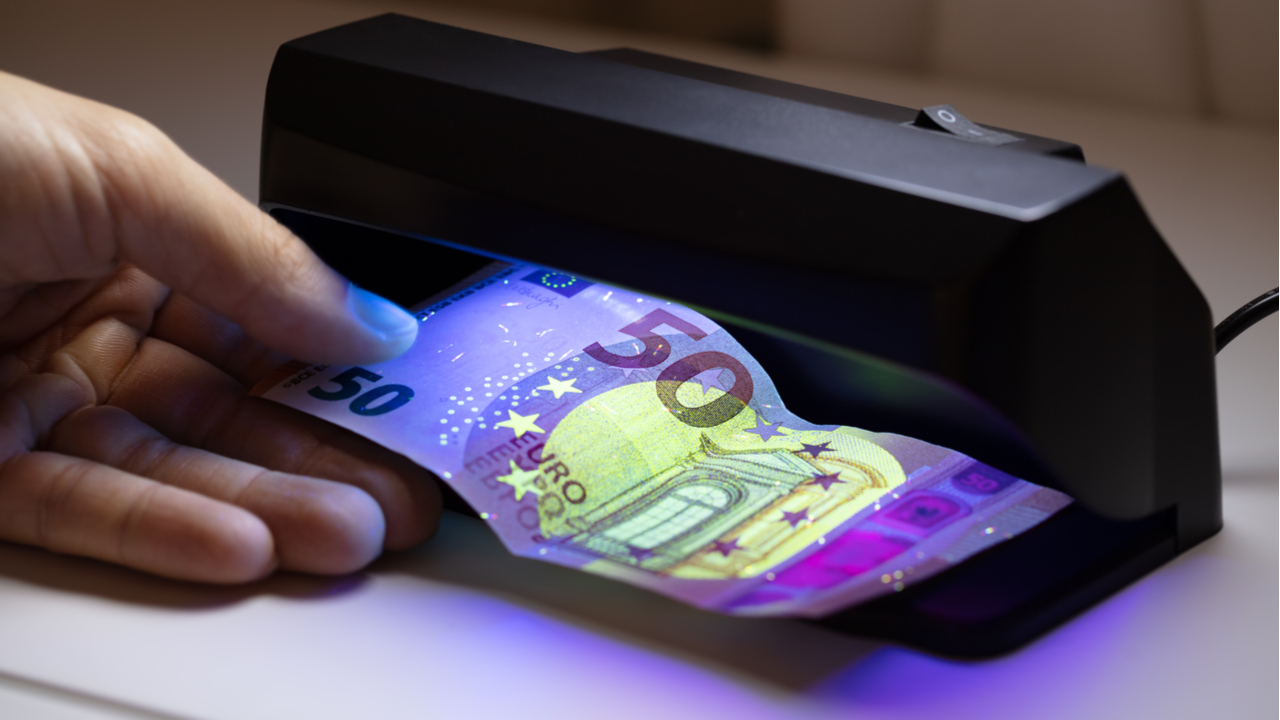
The European Central Bank (ECB) leans toward a “transparent” digital euro over one that ensures a higher level of privacy for its users, a presentation devoted to the project has indicated. In the document, the monetary authority explores different privacy options for the eurozone’s digital fiat.
User Anonymity Not Desirable for Digital Euro, ECB SaysA presentation by the European Central Bank has thrown some light on the regulator’s “preliminary views” on the privacy-related features of the digital euro. It comes as the project to issue a central bank digital currency (CBDC) in the eurozone is still in its investigation phase.
Recognizing that maintaining control over their personal data and upholding privacy as a fundamental right is important for Europeans, the monetary authority nevertheless remarks that a shift towards digital payments implies less privacy by default. That’s despite the possibility to preserve some cash-like features in a digital version of the euro.
A report by the ECB highlighted privacy as a key concern for future users of the digital euro, but the bank now says that privacy needs to be assessed in the context of other EU policies. Among them, anti-money laundering (AML) and counter-financing of terrorism (CFT) efforts. Elaborating on the matter, the regulator states:
User anonymity is not a desirable feature, as this would make it impossible to control the amount in circulation and to prevent money laundering.
Digital Euro Data to Be Transparent Rather Than PrivateThe European central bank further insists that the Eurosystem, which consists of the ECB and the central banks of the eurozone members, should have access to the digital euro transaction data in order to validate payments. Also, anonymized, aggregate data should be available for statistical and oversight purposes as well as to fight fraud and crime.
In the presentation, brought to the public’s attention by crypto venture advisor Patrick Hansen this week, the ECB lists three privacy options for the digital euro platform. The first one, which is referred to as the “currently applicable baseline scenario,” aims to ensure that personal and transaction data is transparent to intermediaries which need to comply with AML and CFT regulations.
The second approach would allow a higher degree of privacy for low-value payments and the last one envisages privacy for offline transfers, in which case low-value balances and amounts would not be known to financial intermediaries or authorities. The ECB admits that the latter two “desirable options” could be investigated together with European legislators.
What are your thoughts on the privacy options for the digital euro reviewed by the European Central Bank? Tell us in the comments section below.
Why this matters
This cryptocurrency story adds another data point to the current market tape and is useful when read alongside nearby source coverage.
Original source
Read on Bitcoin NewsRelated market context

Hanwha Chooses Chainlink Data and CCIP for Global Tokenization Platform
TL;DR: The proposal covers more than representing an asset with an on-chain token. A strategic partnership does not establish that...

Bank of England Opens Tokenized Collateral Door With 2027 Deadline for UK Clearing
Key Takeaways: The Bank of England is seeking input on tokenized collateral for central clearing. All tokenizable assets must be e...
Coinbase Says Customer Funds Safe After Analytics Vendor Contact-Data Incident
TL;DR: Coinbase said an incident involving analytics provider Amplitude affected contact information associated with a small subse...

Bitcoin Whitepaper Turns 18: How Satoshi’s 9-Page Vision Reshaped Global Finance
Key Takeaways: On October 31, 2008, the Bitcoin whitepaper was published by Satoshi Nakamoto, which outlines a peer-to-peer electr...

How Bitcoin Is Helping Reshape Online Slots
Bitcoin (BTC) is changing different aspects of handling money. Yet, online gaming platforms are one area you might not have come a...

How to Buy Bitcoin in 2026: 5 Platforms Compared for Beginners
Your first Bitcoin purchase should feel simple. A few early choices make that easier. Start by deciding how much effort you want t...