Experts say latest SCOTUS opinions will limit SEC power over crypto
The conservative members of the U.S. Supreme Court sided with two majority opinions that could have lasting implications for federal agencies to enforce laws.
Archive context
Older archive item. Useful for background and entity history, but not a fresh market-moving signal.

The conservative members of the U.S. Supreme Court sided with two majority opinions that could have lasting implications for federal agencies to enforce laws.
Why this matters
This cryptocurrency story adds another data point to the current market tape and is useful when read alongside nearby source coverage.
Original source
Read on CointelegraphRelated market context

Bitcoin miners have until 2027 to prove they deserve power on America’s overloaded grid
Bitcoin miners are facing a real-world test of their ability to improve the electricity grid. The US Energy Information Administra...

EU court affirms Apple’s gatekeeper status under Digital Markets Act, opening doors for crypto app distribution
The court's decision strengthens EU regulatory power, potentially lowering costs for developers and setting a precedent for other...

Iran’s supreme leader funeral draws millions as geopolitical tensions simmer, crypto markets watch for sanctions fallout
Khamenei's death creates a power vacuum, potentially altering Iran's geopolitical stance and impacting global crypto market regula...
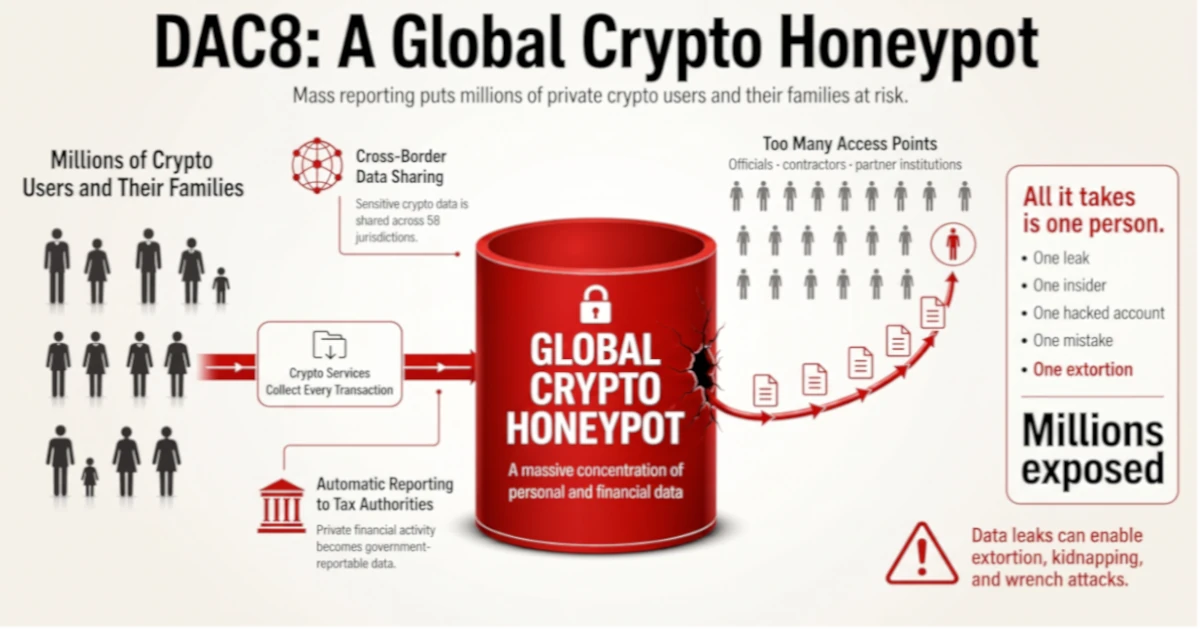
Bull Bitcoin Files Landmark Legal Challenge to Annul France’s DAC8 Crypto Data Surveillance Rules
Bitcoin Magazine Bull Bitcoin Files Landmark Legal Challenge to Annul France’s DAC8 Crypto Data Surveillance Rules Bull Bitcoin ex...

Newton mainnet beta goes live with RedStone price feeds powering on-chain risk enforcement
Newton's mainnet beta could enhance DeFi's appeal to institutional investors by integrating real-time risk enforcement, improving...

Kalshi loses preliminary injunction bid in New York federal court ruling
The ruling highlights ongoing jurisdictional conflicts, potentially leading to fragmented market access and regulatory uncertainty...