Fintech Firm Fiserv Taps PayPal and Circle to Power Its Stablecoin Initiative
Fiserv, one of the largest fintech firms in the US, announced plans Monday to launch its own US dollar-backed stablecoin, FIUSD. The company is teaming up with PayPal and Circle to expand digital asset services across it...
Archive context
Older archive item. Useful for background and entity history, but not a fresh market-moving signal.

Fiserv, one of the largest fintech firms in the US, announced plans Monday to launch its own US dollar-backed stablecoin, FIUSD. The company is teaming up with PayPal and Circle to expand digital asset services across its banking and payments network.
It aims to roll out the token by the end of the year, tapping into infrastructure provided by Paxos and Circle.
FIUSD will initially run on the Solana blockchain. Also, it will be integrated with Fiserv’s existing digital platforms, including its Finxact core banking engine.
The move comes just days after the US Senate passed long-awaited stablecoin legislation, signaling growing institutional confidence in regulated digital dollar equivalents.
$90 billion financial services giant @Fiserv launches stablecoin platform on @solana pic.twitter.com/x5FimFtShj
— Mike Dudas (@mdudas) June 23, 2025 Partnership Eyes Cross-Border Payments Using FIUSD and PYUSDAs regulatory clarity improves in Washington, Fiserv appears poised to act swiftly. It aims to provide financial institutions and merchants with new ways to settle payments. In addition, it plans to support remittances and invoice reconciliation using tokenized dollars.
Additionally, the partnership with PayPal includes plans to explore joint use of FIUSD and PYUSD, which launched in 2023. Now, both firms aim to integrate the two stablecoins into cross-border transfers and merchant payment solutions.
PYUSD is already used within PayPal’s remittance service Xoom and for vendor settlement.
Fiserv Leverages Vast Client Network to Scale Stablecoin AdoptionFiserv’s stablecoin strategy builds on its broad network, which includes ties to over 10,000 financial institutions and six million merchants.
This existing scale, the company said, gives clients a way to adopt digital asset tools without needing to overhaul legacy systems.
Moreover, the FIUSD token is designed to work seamlessly with other stablecoins. This could help Fiserv attract additional partners over time.
Beyond FIUSD, the company is also exploring support for deposit tokens. These would let banks offer digital payment solutions while still maintaining regulatory protections and the capital advantages of traditional deposits.
Following the announcement, shares of Milwaukee-based Fiserv rose nearly 5%. The increase reflects investor confidence in the company’s move into regulated digital currency infrastructure.
With stablecoin legislation gaining momentum in the US, Fiserv’s entry positions it as one of the first major banking tech providers to integrate tokenized dollars into its core ecosystem.
The post Fintech Firm Fiserv Taps PayPal and Circle to Power Its Stablecoin Initiative appeared first on Cryptonews.
Why this matters
This cryptocurrency story adds another data point to the current market tape and is useful when read alongside nearby source coverage.
Original source
Read on CryptonewsRelated market context

State of TRON Q3 2026 Report Highlights $2.21 Trillion in Stablecoin Settlement Amid Network Activity Growth
Geneva, Switzerland, October 12, 2026 — TRON DAO, the community-governed DAO dedicated to accelerating the decentralization of the...

Standard Chartered brings Ripple’s RLUSD into banking custody after $765 million quarterly surge
Standard Chartered has launched custody for Ripple's RLUSD stablecoin as it prepares to expand its use as collateral for instituti...
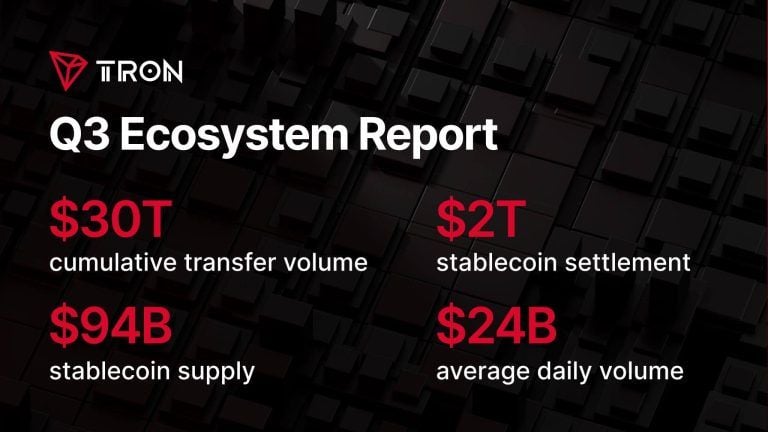
State of TRON Q3 2026 Report Highlights $2.21 Trillion in Stablecoin Settlement Amid Network Activity Growth
Geneva, Switzerland, October 12, 2026 — TRON DAO, the community-governed DAO dedicated to accelerating the decentralization of the...

Stripe, Mastercard and Circle agree to pay up to $3.3 billion for stablecoin operators
The acquisitions highlight the strategic importance of stablecoin infrastructure, potentially reshaping global payment systems and...

China Crypto Strategy Expands as Beijing Backs National Blockchain Network
China announced crypto plans for a national blockchain network. The proposal appeared in a policy document from the Communist Part...

Former Story Blockchain Plans to Shut Down and Rebuild Its AI Data Registry on Sui
The DATA Network, the blockchain formerly known as Story, will shut down its own chain and rebuild as a protocol running on Sui, w...