Ghanaian Cedi Appreciates by More Than 30% in 4 Days — Currency Recovery Follows IMF Loan Announcement
Just a few months after it became the world’s worst-performing currency, the Ghanaian cedi’s exchange rate versus the U.S. dollar bounced back from just over 14 units per dollar on Dec. 1, to 8 units for every dollar by...
Archive context
Older archive item. Useful for background and entity history, but not a fresh market-moving signal.
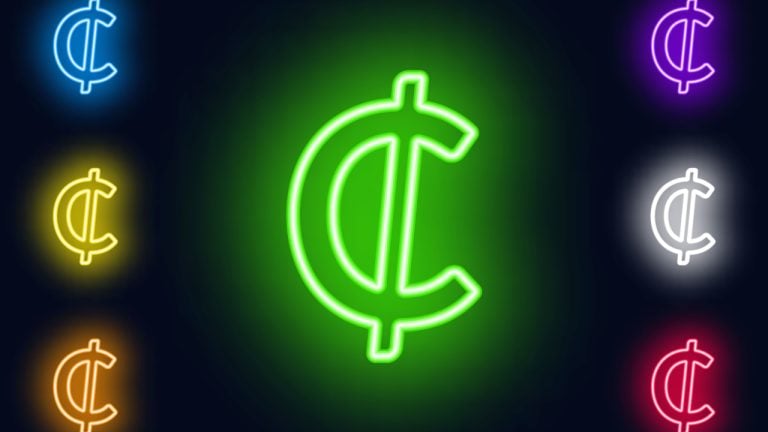
Just a few months after it became the world’s worst-performing currency, the Ghanaian cedi’s exchange rate versus the U.S. dollar bounced back from just over 14 units per dollar on Dec. 1, to 8 units for every dollar by Dec. 16, new data has shown. The currency’s resurgence appears to have been fueled by reports that Ghana has secured a $3 billion loan from the International Monetary Fund (IMF).
Cedi Appreciates by Over 36% in Just Four DaysAfter tapping an all-time low of more than 14 cedis for every dollar, the Ghanaian currency’s exchange rate versus the U.S. dollar appreciated to 8 cedis per dollar by Dec. 16, the latest data from the Bank of Ghana (BOG) has shown. According to the BOG data, the most rapid recovery occurred between Dec. 12 and Dec. 16 when the cedi appreciated by more than 36%.
Bank of Ghana Exchange Rates pic.twitter.com/HREBnMQezt
— Bank of Ghana (@thebankofghana) December 16, 2022
As previously reported by Bitcoin.com News in October, shortages of the greenback as well as Ghana’s economic troubles had fueled the cedi’s plunge, which saw it being named the world’s worst-performing currency. At the time, Ghanaian authorities reportedly pinned their hopes on a financial bailout package from the International Monetary Fund (IMF).
Ghana Finally Secures IMF Bailout PackageAccording to a report in Al Jazeera, the IMF and Ghanaian government finally agreed on a $3 billion loan package. As part of the Dec. 13 agreement, Ghana will reportedly use the funds to help those most affected by the deteriorating economic conditions, restore financial stability, and get the country’s national debt under control.
Commenting on behalf of the international lending institution, Stephane Roudet, IMF’s mission chief to Ghana, reportedly said:
The Ghanaian authorities have committed to a wide-ranging economic reform program, which builds on the government’s Post-COVID-19 Program for Economic Growth (PC-PEG) and tackles the deep challenges facing the country.
Roudet added that as part of the agreement, Ghana will initiate structural reforms that will “underpin the fiscal strategy and ensure a durable consolidation.”
What are your thoughts on this story? Let us know what you think in the comments section below.
Why this matters
This cryptocurrency story adds another data point to the current market tape and is useful when read alongside nearby source coverage.
Original source
Read on Bitcoin NewsRelated market context
SoFi Launches Yield-Bearing Tokenized Bank Deposit With Stablecoin Conversion
TL;DR: SoFi says its new SOFIE tokenized deposit represents money held at SoFi Bank, advertises 4.40% APY subject to terms, and ca...
Irish Central Bank Fines Coinbase Unit €3.25 Million Over Customer Fund Safeguards
TL;DR: Ireland’s central bank imposed a €3.25 million penalty on Coinbase Ireland over electronic-money safeguarding and outsourci...
HSBC Brings Hong Kong Dollar Stablecoin To PayMe As Retail Rollout Begins
TL;DR: HSBC has launched its Hong Kong dollar-backed RedCoin for payments through PayMe, with wallet activation set to expand to m...
HSBC Launches First Stablecoin, Bringing Hong Kong Dollar Payments to 3.3M Users
HSBC has launched its first stablecoin, a Hong Kong dollar-backed digital currency designed for everyday payments, marking a signi...
Bitcoin ETFs Lose Over $635M In One Day Following Oil Price Spike
Bitcoin Magazine Bitcoin ETFs Lose Over $635M In One Day Following Oil Price Spike U.S. investors quickly reversed course on Thurs...
Bank of Korea Wants Stablecoins Written Into Forex Law as Crypto Bill and Tax Fight Come to a Head
Bitcoin Magazine Bank of Korea Wants Stablecoins Written Into Forex Law as Crypto Bill and Tax Fight Come to a Head The Bank of Ko...