Ghana’s Minority Lawmakers Reject Government Proposal to Tax Mobile Money Transactions
The Ghanaian government’s proposal to introduce a 1.75% levy on digital transactions was recently rejected by a minority of lawmakers who insist the new tax derails efforts to help increase the number of adults that are...
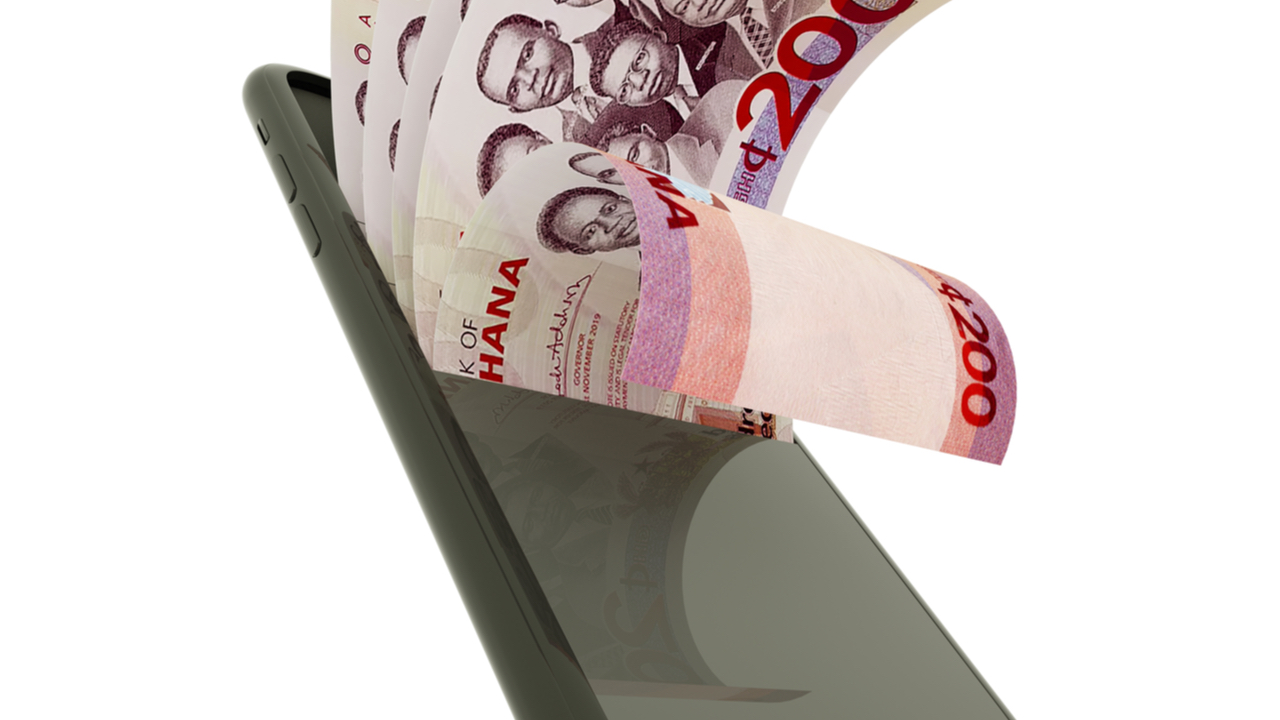
The Ghanaian government’s proposal to introduce a 1.75% levy on digital transactions was recently rejected by a minority of lawmakers who insist the new tax derails efforts to help increase the number of adults that are financially included.
The Digital Transactions Tax
A minority of lawmakers in the Ghana legislature recently rejected a government proposal to introduce a 1.75% levy on digital transactions including mobile-money payments. The lawmakers argued such a levy would slow down the country’s plan to increase the proportion of financially included adults from 58% to 75% by 2023.
According to a report, the proposed levy, which was tabled in parliament by Finance Minister Ken Ofori-Atta, was (or is) expected to become effective from February 2022. The Ghanaian government argues that the proposed levy would help reduce the country’s deficit from an estimated 12.1% of gross domestic product this year to 7.4% in 2022.
However, the minority lawmakers in Ghana’s hung parliament insist the levy will work against efforts to increase the number of adults that are financially included. These lawmakers have so far refused to meet Ofori-Atta who, according to the report, is seeking to convince them to support his proposal.
Meanwhile, following what the report called “heated proceedings,” lawmakers from the majority block walked out and this led to the adjournment of the debate to November 30. The report also said the refusal by the minority lawmakers to support the levy has frustrated lawmakers that back Ofori-Atta’s proposal.
The report quotes Majority Leader Osei Kyei-Mensah Bonsu, questioning the lawmakers’ refusal to support the levy. He asked:
The e-levy is the cornerstone of this budget. Where are we going to get the money to do the roads?
Ghana’s mobile money platforms whose transactions surged 82% to $91.9 billion in 2020 are now an indispensable part of the country’s payments infrastructure. In addition to making payments, the platforms are also used to access loans and to pay insurance premiums by Ghana’s unbanked population.
What are your thoughts about this story? Tell us what you think in the comments section below.
Original source
Read on Bitcoin NewsRelated market context

CFTC Staff No-Action Letter Opens Path For True Digital Commodity Perpetuals
TL;DR CFTC staff issued no-action guidance related to digital commodity perpetual futures. The relief applies to CFTC-registered d...

Sky Governance Proposal Seeks To Double USDC PSM Buffer To $800 Million
TL;DR BA Labs has proposed doubling key LITE-PSM-USDC-A parameters in the Sky stablecoin system from 400 million to 800 million. T...

US-Iran deal nearly finalized as mediators report progress, Bitcoin responds to geopolitical shifts
The US-Iran deal's progress could stabilize geopolitical tensions, impacting global oil markets and influencing cryptocurrency vol...

Humanity Protocol’s $36M hack linked to suspected North Korean hackers, Quantstamp reports
The incident underscores the urgent need for improved cybersecurity measures and key management practices to protect against sophi...

Banks are buying Bitcoin vaults, but a quantum problem may be waiting inside
The banks are finally buying the vaults. In May, BNY, the world's largest custodian with $59.4 trillion in assets under custody an...

Coinbase Quantum Report Warns Millions Of Bitcoin Could Face Future Security Risks
TL;DR Coinbase’s Quantum Advisory Council published a report on post-quantum migration and abandoned coins. The report estimates t...