House Financial Services Committee Advances Stablecoin Regulation Bill
The U.S. House Financial Services Committee has approved the advancement of a stablecoin bill that seeks to establish clearer regulations for the sector.Known as the Stablecoin Transparency and Accountability for a Bette...
Archive context
Older archive item. Useful for background and entity history, but not a fresh market-moving signal.
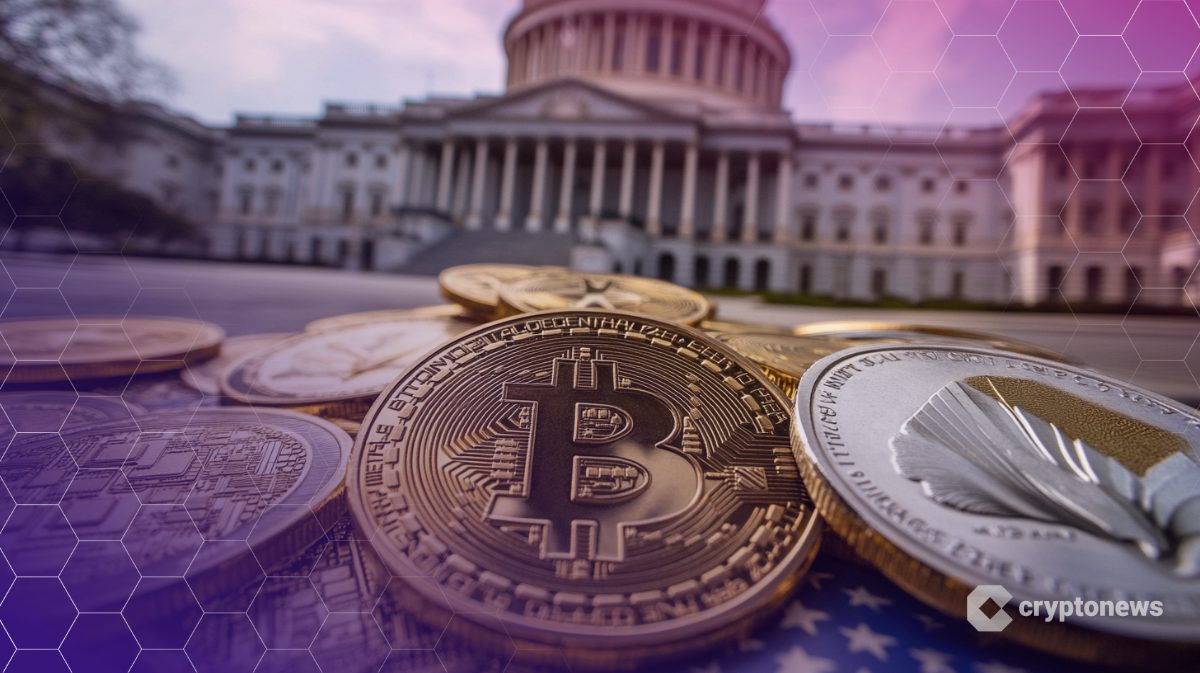
The U.S. House Financial Services Committee has approved the advancement of a stablecoin bill that seeks to establish clearer regulations for the sector.
Known as the Stablecoin Transparency and Accountability for a Better Ledger Economy Act, or the STABLE Act, the legislation passed out of committee on Wednesday with 32 votes in favor and 17 opposed, according to a report by Bloomberg.
The bill, introduced by Committee Chair Rep. French Hill (R-Ark.) and Rep. Bryan Steil (R-Wis.), seeks to establish a comprehensive framework for the issuance and oversight of dollar-pegged stablecoins.
Stablecoin Bill Sets Strict Standards for Reserve Backing and Anti-Money LaunderingIt includes provisions for one-to-one reserve backing, capital requirements, and anti-money laundering safeguards.
Speaking during the hearing, Hill emphasized the importance of regulation in maintaining the United States’ global competitiveness in financial technology.
“Blockchain technology continues to transform the way money moves,” Hill said. “Regulators must evolve alongside these innovations.”
This is not the committee’s first attempt to legislate stablecoins.
A similar initiative made progress in 2023 but ultimately stalled amid partisan disagreements and criticism of the Biden administration’s role in delaying negotiations.
The current version of the STABLE Act, however, is part of a renewed push to bring clarity to the rapidly evolving stablecoin sector.
The hearing also saw heated debate around several proposed amendments.
Key sticking points included how to handle foreign stablecoin issuers like Tether, and how former President Donald Trump’s growing involvement in crypto may impact policymaking.
Trump and his family have recently revealed interests in decentralized finance (DeFi), Bitcoin mining, and tradable meme coins—raising concerns about potential conflicts of interest.
Ranking Democrat Rep. Maxine Waters (D-Calif.) strongly opposed the bill, arguing that it risks empowering political figures with personal stakes in the crypto industry.
“This bill sets a dangerous precedent,” Waters said. “It validates efforts by insiders to write financial rules that benefit themselves.”
Ahead of tomorrow’s .@FinancialCmte markup of the STABLE Act, we must first commend Chairman .@RepFrenchHill and .@RepBryanSteil on how the bill achieves a clear America first standard when it comes to the issuance and circulation of dollar-denominated payment stablecoins. Clear…
— Dante Disparte (@ddisparte) April 1, 2025 House and Senate Diverge on Stablecoin Regulation FrameworksDifferences also remain between the House and Senate versions of stablecoin legislation.
While the STABLE Act would allow foreign stablecoin issuers to operate under a transitional two-year grace period before complying with U.S. rules, the Senate’s GENIUS Act takes a stricter approach, barring new foreign issuers from entering the U.S. market but allowing already-issued tokens to circulate on secondary markets.
Industry voices have also weighed in. Circle’s chief strategy officer Dante Disparte urged lawmakers to pass the STABLE Act, saying it would solidify the U.S. position in the global digital economy.
Circle, which issues the USDC stablecoin, filed for an IPO just one day before the vote.
Looking ahead, the House Financial Services Committee plans to consider a broader market structure bill next week, potentially aligning with the stablecoin measure.
Rep. Steil described the two initiatives as closely linked, stating, “They’re like peanut butter and jelly—you need both for a complete sandwich.”
Last month, Federal Reserve Chair Jerome Powell affirmed the central bank’s support for developing a regulatory framework around stablecoins during a Senate hearing.
Powell stated that the Federal Reserve supports the creation of a regulatory framework for stablecoins, noting the importance of protecting consumers and savers.
The post House Financial Services Committee Advances Stablecoin Regulation Bill appeared first on Cryptonews.
Why this matters
This cryptocurrency story adds another data point to the current market tape and is useful when read alongside nearby source coverage.
Original source
Read on CryptonewsRelated market context

EU Banking Regulator Takes Over Key Oversight of Circle’s USDC Stablecoin
The European Banking Authority (EBA) classified Circle's USDC as a significant e-money token under the Markets in Crypto-Assets Re...
TRON settles $2.2 trillion in stablecoins in Q3 as onchain payments grow
TRON settled $2.2126 trillion in stablecoins in Q3 2026, with supply hitting $93.88 billion and a 23.2% share of stablecoin card s...

TOKEN2049 Takeaways: Stablecoins, Asset Tokenization, and AI Payments
Every crypto conference brings a wave of new partnerships, products, and concepts. After scrolling through the latest updates, you...

Bitso lists Western Union’s USDPT stablecoin for users in Mexico
The integration of USDPT in Mexico could reshape remittance dynamics, offering new financial options but also posing risks due to...

Standard Chartered pushes $2T stablecoin forecast to 2030 as transaction volumes grow
The bank identified four distinct stablecoin markets, with USDC leading payments and AI transactions as competition intensifies ov...

Privy Wallets Are Coming to the XRP Ledger, Aimed at Stablecoin Payments and AI Agents
Privy, the crypto wallet provider Stripe agreed to acquire last year, is extending its wallet tools to the XRP Ledger (XRPL) throu...