India’s Central Bank RBI to Adopt a ‘Graded Approach’ to Digital Currency Launch
India’s central bank, the Reserve Bank of India (RBI), has proposed to adopt a “graded approach” to launching the country’s central bank digital currency (CBDC). The RBI also said it is exploring the pros and cons of int...
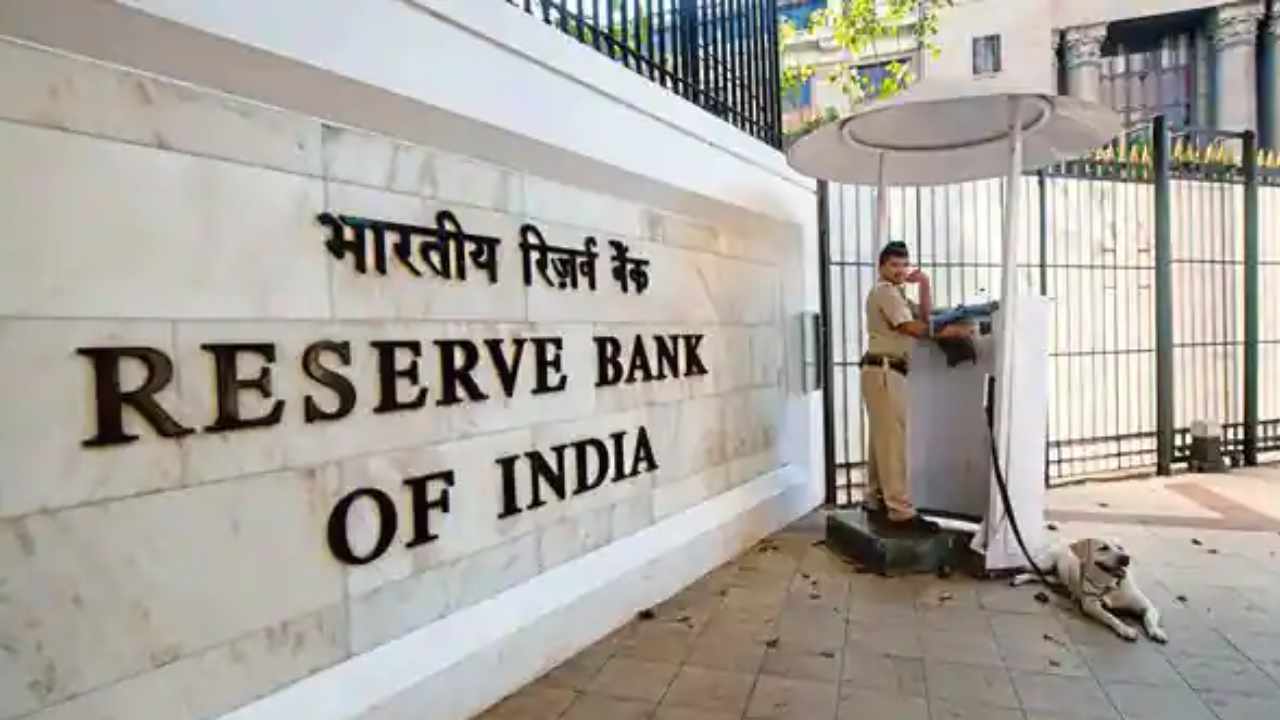
India’s central bank, the Reserve Bank of India (RBI), has proposed to adopt a “graded approach” to launching the country’s central bank digital currency (CBDC). The RBI also said it is exploring the pros and cons of introducing a digital rupee in India.
RBI on the Upcoming Digital Rupee LaunchThe Reserve Bank of India released its annual report for 2021-22 Friday. India’s central bank digital currency (CBDC) is among the many topics discussed in the report.
“The design of CBDC needs to be in conformity monetary policy, financial stability and efficient operations of currency and payment systems,” the report details, elaborating:
The Reserve Bank proposes to adopt a graded approach to introduction of CBDC, going step by step through stages of proof of concept, pilots and the launch.
In addition, the report reveals that the central bank “has been exploring the pros and cons of [the] introduction of CBDC in India.”
The RBI further detailed that “the appropriate design elements of CBDCs that could be implemented with little, or no disruption are under examination.”
India’s Finance Minister Nirmala Sitharaman announced the central bank’s plan to launch a digital currency in February while presenting the Union Budget 2022-23.
The RBI report concludes:
An appropriate amendment to the RBI Act, 1934 has been included in the Finance Bill, 2022. The Finance Bill, 2022 has been enacted, providing a legal framework for the launch of CBDC.
In April, RBI Deputy Governor T. Rabi Sankar said central banks would go about launching a CBDC “in a very calibrated, graduated manner, assessing impact all along the line.”
Meanwhile, the RBI has maintained an anti-crypto stance. Governor Shaktikanta Das warned last week about investing in the crypto market after the collapse of cryptocurrency terra (LUNA) and stablecoin terrausd (UST).
In February, the central bank said that cryptocurrency is a big threat to India’s macroeconomic and financial stability. The bank’s deputy governor also stated that banning cryptocurrency is “most advisable” for India and that regulation is “futile.”
Nonetheless, the Indian government has not decided on the country’s crypto policy but crypto income is currently taxed at 30%. Moreover, a 1% tax deducted at source (TDS) will soon go into effect in India.
What do you think about how the RBI plans to launch its digital currency? Let us know in the comments section below.
Original source
Read on Bitcoin NewsRelated market context

Japan Three Biggest Banks Unite to Launch Yen Crypto Stablecoin by March 2027
MUFG Bank, Mizuho Bank, and Sumitomo Mitsui Banking Corporation have established a formal joint council to develop and co-issue a...

The future of vaults: neobanks and invisible DeFi
The following is a guest post and opinion from Vincent Maliepaard, VP of Marketing at Sentora. On January 26, 2026, Kraken launche...

Banks are buying Bitcoin vaults, but a quantum problem may be waiting inside
The banks are finally buying the vaults. In May, BNY, the world's largest custodian with $59.4 trillion in assets under custody an...

Latam Insights: Inside Brazil’s CBDC Privacy Bill and Latin America’s $1.5 Trillion Stablecoin Economy
Welcome to Latam Insights, a compilation of the most relevant crypto news from Latin America over the past week. In this edition,...

Kraken Prepares CFTC-Regulated Perpetual Futures Launch For US Traders
TL;DR Kraken says it plans to launch CFTC-regulated perpetual futures for eligible US traders within 30 days. Contracts will be li...

US-Iran deal nearly finalized as mediators report progress, Bitcoin responds to geopolitical shifts
The US-Iran deal's progress could stabilize geopolitical tensions, impacting global oil markets and influencing cryptocurrency vol...