Japan’s FSA Proposes to Classify Crypto Assets into Two Categories, Seeks Public Input
Japan’s Financial Services Agency (FSA) published a discussion paper titled “Examining the Structure of Regulatory Frameworks Related to Crypto Assets” on 10th April. The regulatory agency is seeking public opinion on th...
Archive context
Older archive item. Useful for background and entity history, but not a fresh market-moving signal.

Japan’s Financial Services Agency (FSA) published a discussion paper titled “Examining the Structure of Regulatory Frameworks Related to Crypto Assets” on 10th April. The regulatory agency is seeking public opinion on the paper by 10th May.
The research paper highlights several key concerns, such as the extent of regulatory oversight, rules on information disclosure and transparency, industry-specific regulations (including the travel rule and staking practices), market access regulations, and measures to combat insider trading.
FSA Proposes to Classify Crypto Assets into Two CategoriesThe key proposal of the paper is to categorize crypto assets into two distinct types. Type 1, known as Funding/Business Crypto Assets, includes assets created for fundraising purposes, with the capital raised being directed towards various projects. Some utility tokens fall under this category.
On the other hand, Type 2, Non-Fundraising/Non-Business Crypto Assets, refers to assets that do not function as fundraising tools or business assets. Major cryptocurrencies, such as Bitcoin and Ethereum, are classified within this group.
The FSA highlighted the importance of addressing the information gap between issuers and users for Type 1 crypto assets, especially concerning the intended use of raised funds and project details. In contrast, for Type 2 crypto assets, the agency noted the challenge of linking many of these assets to a specific issuer, which complicates the enforcement of disclosure requirements.
Japan has proposal to reclassify crypto as financial products and subject them to insider trading restrictions.#JapanCrypto #InsiderTradingLawshttps://t.co/EUvUJt9r86
— Cryptonews.com (@cryptonews) March 31, 2025 Japan’s Financial Regulator Aims to Submit Crypto Bill in 2026As reported earlier, Japan’s FSA plans to introduce a bill to parliament as early as 2026 to amend the existing crypto legislation.
If approved, the change would place cryptocurrencies in the same legal category as traditional securities, making them subject to insider trading laws that prevent the use of non-public information for personal profit.
Until now, digital assets have largely existed in a separate regulatory framework, with minimal oversight on trading practices that would be deemed illegal in conventional financial markets.
The post Japan’s FSA Proposes to Classify Crypto Assets into Two Categories, Seeks Public Input appeared first on Cryptonews.
Why this matters
This cryptocurrency story adds another data point to the current market tape and is useful when read alongside nearby source coverage.
Original source
Read on CryptonewsRelated market context
Australia’s Crypto Platforms Have Until 27 November to Mark ASIC’s Homework
Digital asset platforms in Australia will need an Australian financial services (AFS) licence, customer disclosure documents and p...

Injective sees nearly half of its markets tied to tokenized assets
Injective's integration of tokenized assets could revolutionize financial markets by enhancing accessibility and regulatory compli...
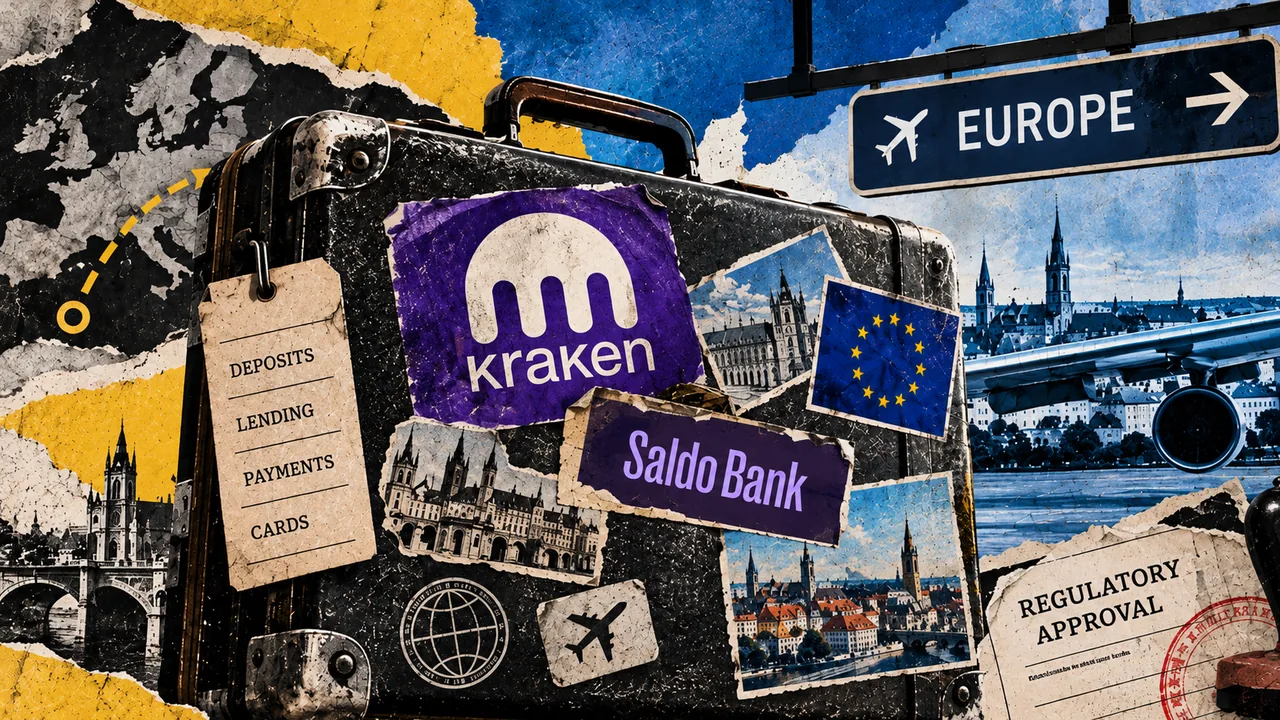
Kraken moves to acquire $181 million European bank in major push beyond crypto trading
Kraken's parent company, Payward, has agreed to acquire a European bank as it expands beyond cryptocurrency trading into tradition...
Standard Chartered Debuts Bitcoin Trading For Wealthy UAE Clients
Bitcoin Magazine Standard Chartered Debuts Bitcoin Trading For Wealthy UAE Clients British multinational Standard Chartered on Wed...

Coinbase’s x402 Records 138.5M Transactions: Chainalysis Shows AI Agents Reshaping Crypto Payments
According to blockchain analytics firm Chainalysis, activity has expanded sharply since the protocol’s early stages, as autonomous...
Standard Chartered Brings Bitcoin Trading and Custody to Affluent UAE Clients
On Wednesday, the banking giant managing nearly $1 trillion in assets, Standard Chartered, revealed it is making new moves inroads...