JPMorgan Reports Almost 60% Of Trillions-Deposits Are Uninsured!
It seems that the latest JPMorgan’s reports are pretty mind-blowing, considering the fact that most of their deposits are not insured. Check out more details about all this below. Here is the tweet that sheds light on th...
Archive context
Older archive item. Useful for background and entity history, but not a fresh market-moving signal.

It seems that the latest JPMorgan’s reports are pretty mind-blowing, considering the fact that most of their deposits are not insured. Check out more details about all this below.
Here is the tweet that sheds light on the matter here:
JPMorgan reported that 59.11% of their $2.425 trillion in deposits are uninsured, according to call report data for the period ending September 30th.
Schedule RC – Balance Sheet (Form Type – 031) tells us that JPMorgan has:
• $2,020,955,000,000 of deposits in domestic… pic.twitter.com/4Wbff0Bks5
— McSqueezyTheCow (@McSqueezyTheCow) November 30, 2023
“The call report collects basic financial data of commercial banks in the form of a balance sheet, an income statement, and supporting schedules. The Report of Condition schedules provide details on assets liabilities, and capital accounts. The Report of Income schedules provide details on income and expenses”, according to the Federal Reserve Bank of Chicago.
More interesting details are out
Per FDIC’s September 2013 Final Rule on the Definition of Deposits at Foreign Branches of U.S. Banks Press Release, a final rule was approved clarifying that “deposits in foreign branches of U.S. banks are not FDIC-insured.”
“Okay. So, why does all of this matter??” the post asks.
“Simply put, uninsured deposits are a risk to banks, as they can lead to a depositor run on a bank. According to FDIC, “Uninsured depositor runs triggered the failures of Silicon Valley Bank and Signature Bank in March 2023”.
We strongly suggest that you check out the complete tweet because it contains extremely valuable info.
JPMorgan Chase CEO releases warning for the economyNot too long ago, we were revealing the fact that the CEO of the world’s largest bank, Jamie Dimon, warned that the US economy is at risk of facing a series of challenges that may lead to a global economic downturn.
As per the Telegraph, Jamie Dimon, the CEO of JPMorgan Chase, has expressed his concern about the US economy’s heavy reliance on debt.
He compared the central bank’s spending to heroin for American households, implying that it is addictive and harmful.
Dimon further explained that the economy is a dangerous combination of risks, and there is a possibility of an “explosive” economic event happening soon.
Why this matters
This cryptocurrency story adds another data point to the current market tape and is useful when read alongside nearby source coverage.
Original source
Read on CryptoGazetteRelated market context

CryptoQuant reports 160% surge in altcoin exchange deposits in 2 weeks
Increased altcoin exchange deposits may signal impending market volatility, highlighting potential shifts in investor sentiment an...

Uphold survey shows 75% of US banks are building blockchain services
Blockchain adoption in US banks signals a transformative shift towards digital finance, promising enhanced efficiency and customer...
Morgan Stanley Has ‘Digital Asset Lab’ To Test Crypto Products: Report
Bitcoin Magazine Morgan Stanley Has ‘Digital Asset Lab’ To Test Crypto Products: Report Wall Street giant Morgan Stanley has launc...
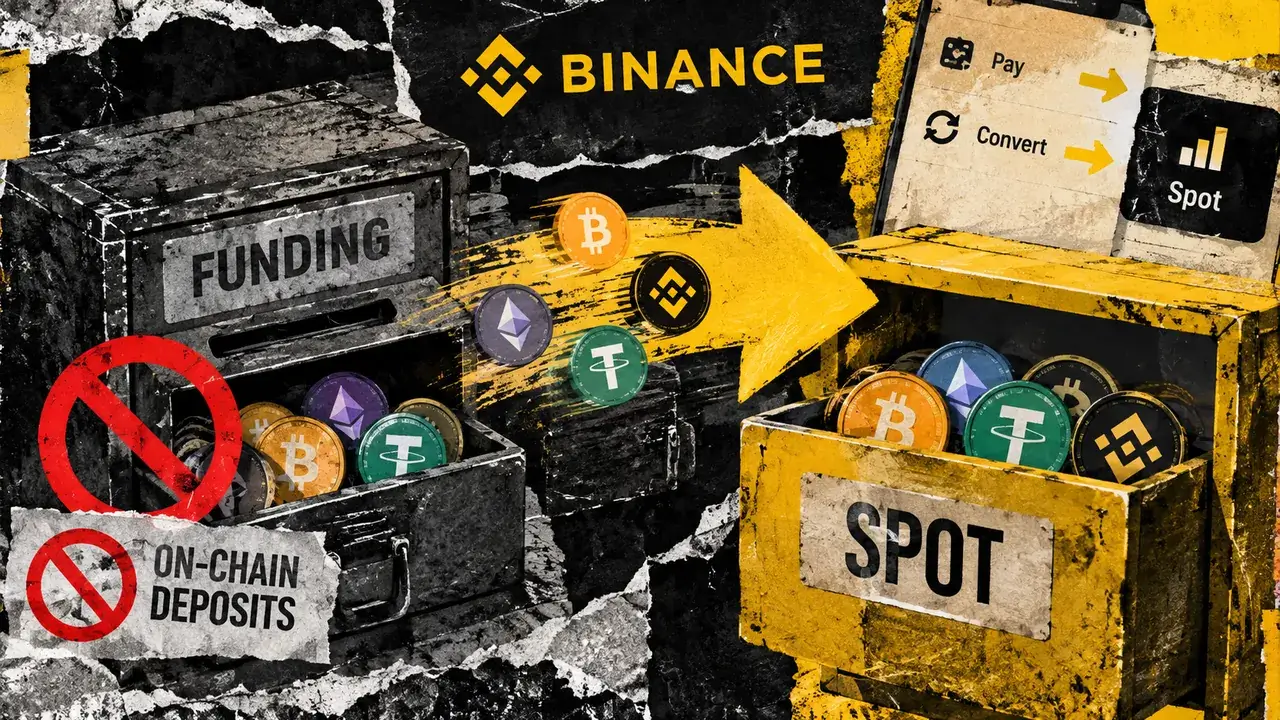
Binance ends Funding Account crypto deposits as Pay and Convert move to Spot
From Sept. 29, Binance says Funding Accounts no longer accept direct on-chain crypto deposits. Users depositing crypto must use Sp...

Oracle Connects Bank Payment Systems To Swift’s Blockchain Ledger
TL;DR Oracle is integrating its banking and blockchain infrastructure with Swift’s shared ledger for tokenized deposits. Banks can...
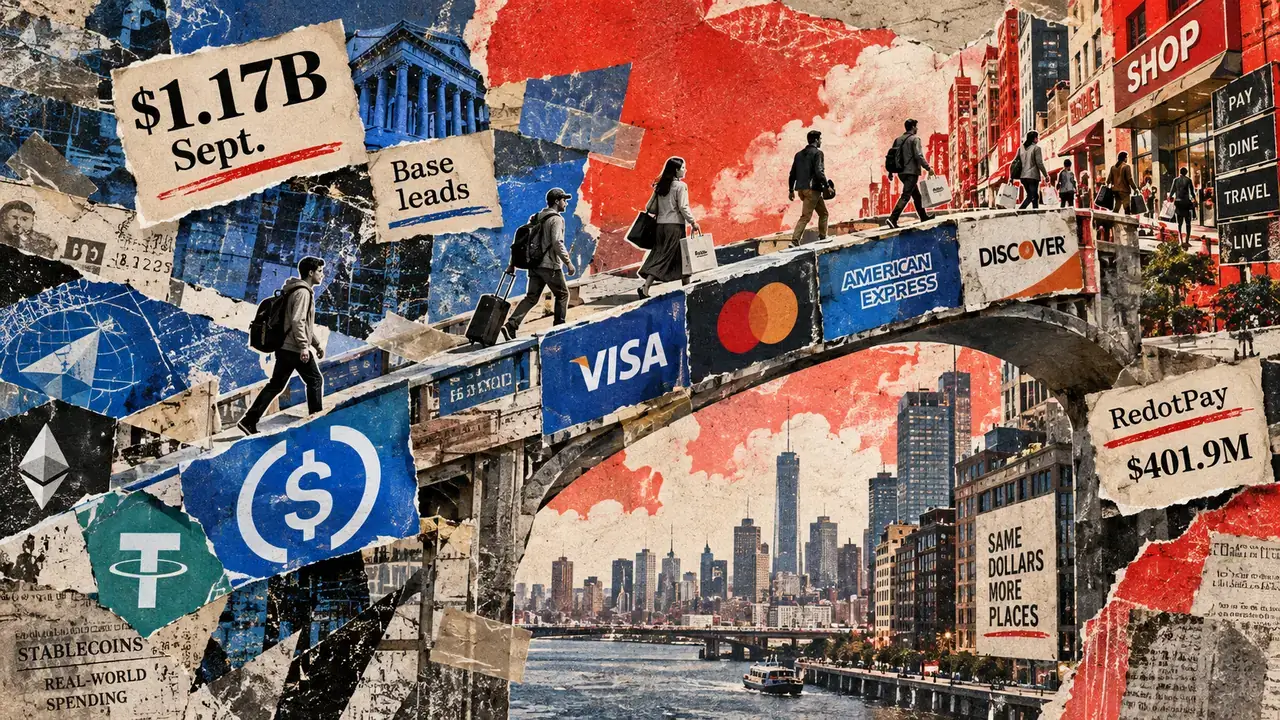
Stablecoin cards enter ‘hyper growth’ mode as monthly spending hits record $1.17 billion
Stablecoin card spending is accelerating to record levels, but the payment rail remains a fraction of the traditional card market....