Kazakhstan Shuts Down Crypto Exchange That Transferred $34 Million Through Binance
Authorities in Kazakhstan have busted an illegal crypto trading platform, seizing over $350,000. The exchange allegedly processed almost $34 million in transactions through wallets on Binance, two of which have been bloc...
Archive context
Older archive item. Useful for background and entity history, but not a fresh market-moving signal.

Authorities in Kazakhstan have busted an illegal crypto trading platform, seizing over $350,000. The exchange allegedly processed almost $34 million in transactions through wallets on Binance, two of which have been blocked during the ongoing investigation.
Digital Asset Exchange Making Millions in Turnover Closed Down in KazakhstanA platform illegally trading cryptocurrencies in Kazakhstan, ABS Change, has been identified and shut down, the country’s Financial Monitoring Agency (FMA) announced on Telegram. Three Kazakhstani citizens have been accused of running the exchange which carried out its activities without a license since 2021.
During an operation in the country’s capital city, law enforcement officials confiscated $342,000 and 7 million tenge (almost $16,000) in cash. The entity had another $23,000 worth of crypto assets in two wallets on Binance, the world’s largest crypto exchange, which have been temporarily restricted, the statement detailed.
According to the FMA, ABS Change transferred a total of $34 million through Binance. The watchdog pointed out that its operations were conducted outside the Astana International Financial Center (AIFC). Only exchanges that are residents of the financial hub are authorized to provide crypto trading services in the Central Asian nation.
The FMA’s main focus has been on preventing “gray” business activities, including those in the crypto space, and the agency said that Kazakhstan’s shadow economy shrank to below 20% last year. In January, the regulator took down several coin trading websites. In February, it seized almost $188,000 worth of property, including digital assets, from a Russian national involved in these illegal operations.
After China’s crackdown on the industry, Kazakhstan attracted many cryptocurrency miners with its cheap electricity, but they have been blamed for an increasing power deficit. Since the expansion of the sector, the government in Nur-Sultan has been taking steps to regulate it and the country’s growing crypto economy as a whole.
A law restricting the access of mining farms to low-cost power entered into force in Kazakhstan in February. The legislation introduces a licensing regime for miners and obliges them to sell the bulk of their revenue on domestic-registered exchanges.
Do you think Kazakhstan will continue to crack down on unlicensed crypto trading platforms? Tell us in the comments section below.
Why this matters
This cryptocurrency story adds another data point to the current market tape and is useful when read alongside nearby source coverage.
Original source
Read on Bitcoin NewsRelated market context

Binance Pay Opens Crypto Payments at Millions of PayPay Merchants Across Japan
Key Takeaways: Binance Pay is now available for visitors to use at PayPay merchants in Japan. Crypto is immediately converted to J...
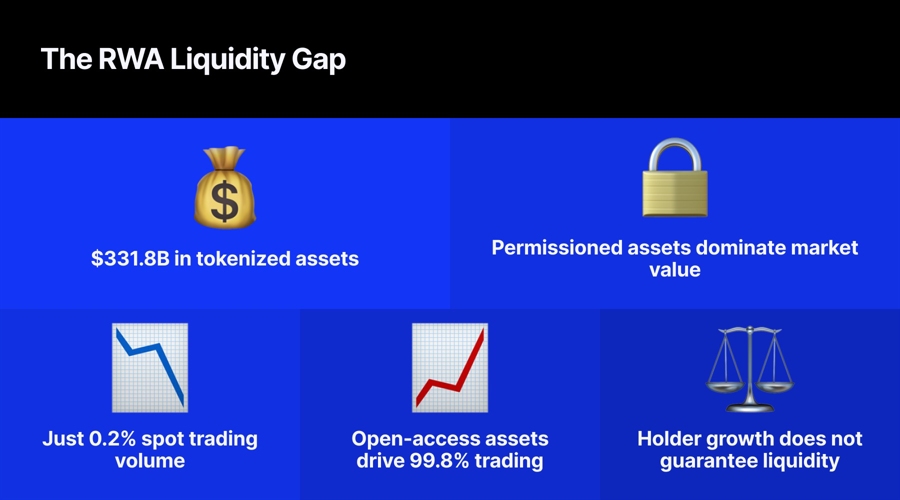
More Holders, Little Trading: The RWA Liquidity Problem Is Worse Than You Think
Let me ask you something straight. Does real-world asset trading on crypto exchanges feel like a genuine revolution, or does it fe...
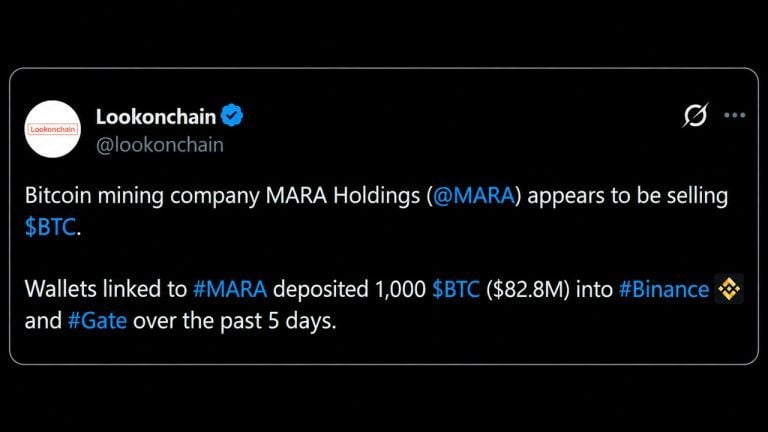
MARA Ships $83 Million in Bitcoin to Exchanges as Its Stock Sinks 45%
Wallets tied to MARA Holdings, one of the largest public bitcoin miners, have moved 1,000 BTC worth about $82.8 million to crypto...

MARA Selling Bitcoin? Exchange Deposits Put 1,000 BTC Under Watch
Is MARA Selling Bitcoin? Wallets linked to MARA Holdings sent 1,000 BTC, worth about $82.8 million, to Binance and Gate over five...

Strategy Raises Its Preferred Buyback Cap to $3 Billion After Another $193 Million STRC Week
Strategy’s board approved a $1 billion increase to the company’s preferred stock buyback program, bringing the total it can spend...
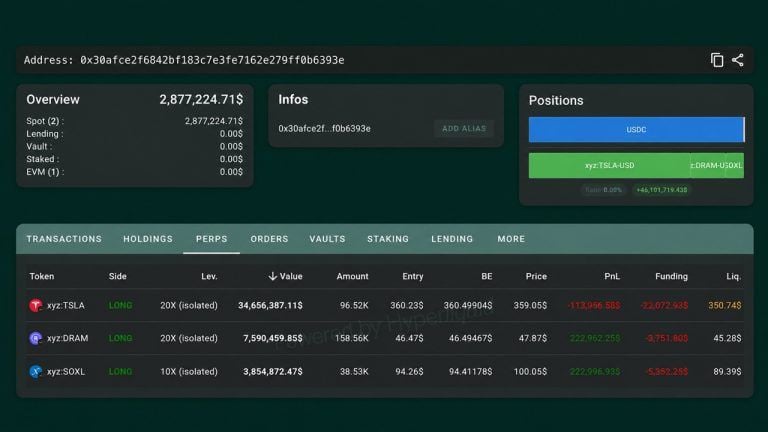
Hyperliquid Whale Down $9 Million This Week Flips to a 20x Tesla Bet
The Hyperliquid trader behind a $98 million bitcoin long has dumped the position at a loss and moved into $46 million of leveraged...