Middle East Crypto Exchange Coinmena Enters the Qatari Market, Regulator Says No Institution Licenced
Coinmena, the Bahrain-based cryptocurrency exchange, recently announced that residents of Qatar can now buy and sell cryptocurrencies on its platform. The cryptocurrency exchange claimed it is the first regulated digital...

Coinmena, the Bahrain-based cryptocurrency exchange, recently announced that residents of Qatar can now buy and sell cryptocurrencies on its platform. The cryptocurrency exchange claimed it is the first regulated digital asset exchange to open its platform to Qatari residents.
Residents Can Now Connect Bank Accounts to Their Crypto Wallets
The Bahrain headquartered cryptocurrency exchange, Coinmena, has become the first regulated digital asset exchange to offer its services in Qatar. According to a statement released by the exchange on May 19, Coinmena’s foray into Qatar means the country’s residents can now connect their bank accounts to their crypto wallets. This enables them to “deposit and withdraw funds directly and safely.”
In a joint statement following the exchange’s latest foray into another Middle East and North Africa (MENA) market, Coinmena’s co-founders, Dina Sam’an and Talal Tabbaa said:
We are delighted to become the first crypto exchange to offer our services in Qatar. Investors have been asking about our plans to enter the country for some time now, so this news represents a major milestone on our long-term geographic market expansion plans.
Sam’an, meanwhile, revealed that Coinmena intends to become the “region’s preferred crypto financial services company” and is, therefore, constantly looking to onboard more countries.
Coinmena’s entry into Qatar comes just a few months after it was reported that the Middle East country was examining the possibility of issuing a digital currency. However, according to one report, the decision to issue a digital currency or not will only be made once the central bank completes its study.
Meanwhile, in an apparent response to Coinmena’s announcement, the Qatar Central Bank (QCB) is reported to have issued a statement warning residents against dealing with “unlicensed financial institutions and service providers.”
In a translation of the QCB’s Arabic language warning published by The Peninsula, the central bank reiterated that “no financial institution has been licenced to provide services of exchange, transfer, trading and dealing on virtual currencies.” In a warning that was also issued on May 19, the QCB said it will take legal action against any entity that provides virtual asset services without a licence issued by the central bank.
What are your thoughts on this story? Tell us what you think in the comments section below.
Original source
Read on Bitcoin NewsRelated market context

World Cup 2026 kicks off with Brazil vs Morocco as Kraken becomes first-ever crypto exchange sponsor
The partnership signals crypto's growing legitimacy in sports, potentially boosting digital asset adoption and fan engagement glob...

The future of vaults: neobanks and invisible DeFi
The following is a guest post and opinion from Vincent Maliepaard, VP of Marketing at Sentora. On January 26, 2026, Kraken launche...
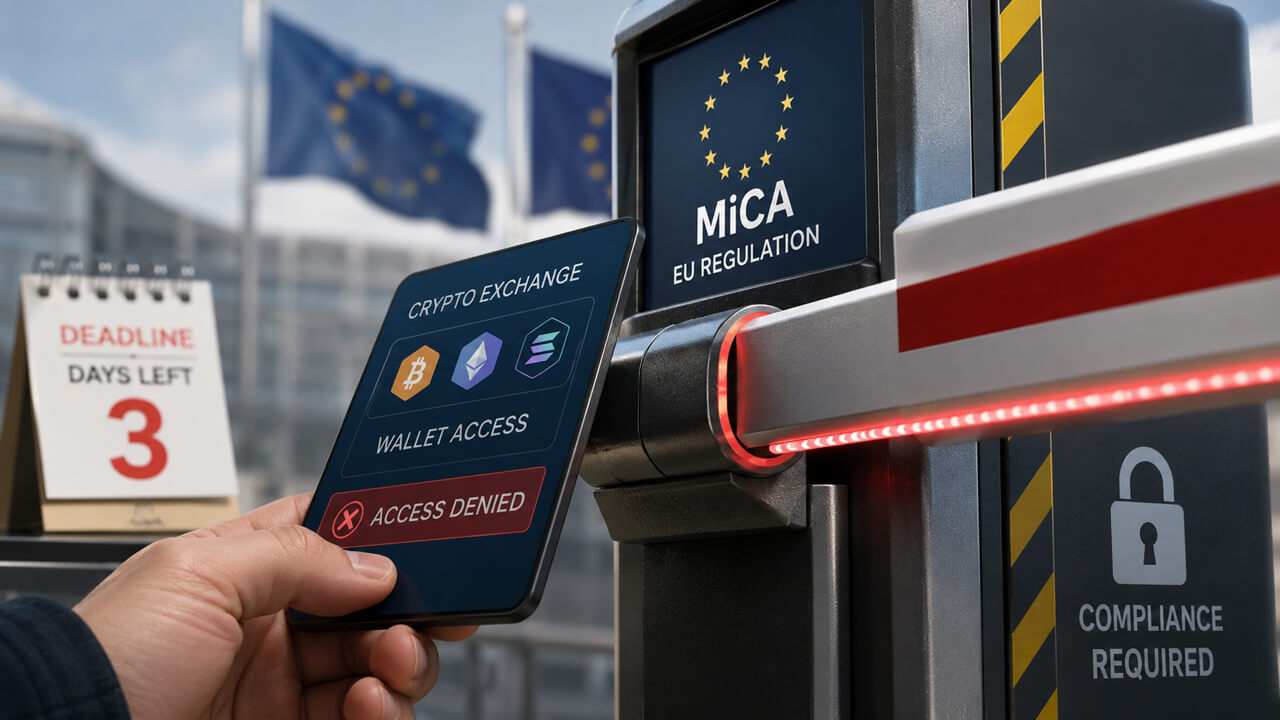
Millions of EU crypto users face exchange cutoff as MiCA deadline hits in days
On July 1, 2026, the temporary permission that lets crypto companies keep operating in Europe while they wait for a proper MiCA li...

Carlos Domingo: The DTCC is repeating telecom’s mistakes, banks need the Clarity Act more than crypto, and stablecoins set the benchmark for tokenized assets | The Wolf Of All Streets
Financial institutions must choose between proprietary systems or embracing open blockchain technologies for future growth. The po...

Banks are buying Bitcoin vaults, but a quantum problem may be waiting inside
The banks are finally buying the vaults. In May, BNY, the world's largest custodian with $59.4 trillion in assets under custody an...

Israeli military strikes Beirut’s southern suburbs as crypto markets react to escalating Middle East tensions
Escalating Middle East tensions risk broader regional conflict, impacting global markets and complicating diplomatic efforts and e...