Mobile Payments Outpacing Debit Cards in Argentina According to Central Bank Reports
Mobile payments are thriving in Argentina, leaving behind other traditional payment methods, including credit and debit cards. According to the central bank’s monthly report on retail payments, this kind of payment has t...
Archive context
Older archive item. Useful for background and entity history, but not a fresh market-moving signal.
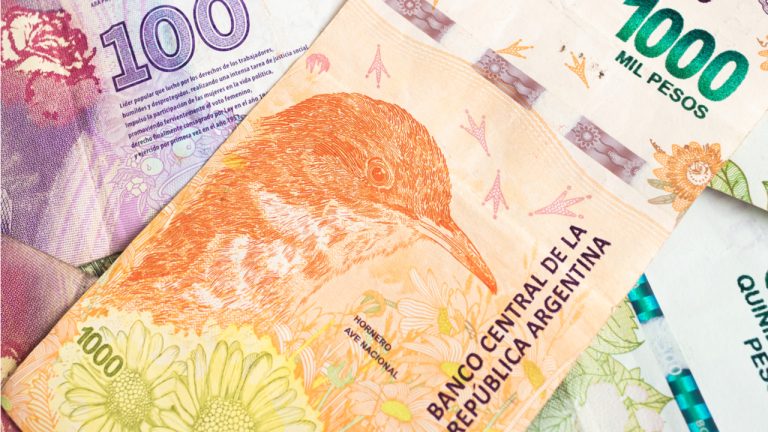
Mobile payments are thriving in Argentina, leaving behind other traditional payment methods, including credit and debit cards. According to the central bank’s monthly report on retail payments, this kind of payment has thrived, representing 60% of the payments operations made, while plastic-based payment media has stagnated, registering a fall in use.
Mobile Payments Keep Growing in ArgentinaElectronic contactless payments have been thriving in several countries of Latam, given the penetration of mobile cell phones in the area. The latest monthly report on retail payments issued by the Central Bank of Argentina has found that mobile payments are thriving in the country, leaving behind legacy payment media.
According to the report, mobile devices are being more greatly leveraged to make payments due to the rise of banking apps and mobile wallets. Just in October, 162 million of these transactions were made, registering an increase of 7.1% when compared to the transactions made during September. The number doubles the number of transactions made during October 2021.
In fact, payments made using these apps represent 60% of the whole number of payments made, a rise from the 51% of December 2021. In comparison, payments made with debit cards have stagnated, with 66.45 million transactions made in September 2022, falling 9.35% compared to the number of transactions made in July.
Payment Digitization and QR PaymentsThe digitization of the payments arena in Argentina has been steadily progressing since the launch of Transferencias 3.0, an open payments program that implemented interoperable QR payments, allowing institutions other than private banks to offer payment services.
On this, the central bank of Argentina stated:
The objective, in fact, was to promote the formation of an open and universal digital payment ecosystem, and to achieve greater inclusion of those sectors that still do not use financial services, one of the management axes of the monetary body.
The report also shows a sustained rise in QR payments, registering more than 5 million payments made using this tool in October. This represents a rise when compared to the numbers corresponding to September when 3.15 million payments were made using QRs, which was considered a record at that time.
Bitso, a Latam-based exchange, was one of the first cryptocurrency exchanges to allow users to make payments directly from their wallets, taking advantage of this tech in September.
What do you think about the rise of mobile and digital payments in Argentina? Tell us in the comments section below.
Why this matters
This cryptocurrency story adds another data point to the current market tape and is useful when read alongside nearby source coverage.
Original source
Read on Bitcoin NewsRelated market context
US Senator Questions Tether Over Reported Payments Linked To Former Crypto Adviser
TL;DR: Senator Richard Blumenthal has demanded records from Tether and consultancy Nxum over reported payments and potential ethic...
Irish Central Bank Fines Coinbase Unit €3.25 Million Over Customer Fund Safeguards
TL;DR: Ireland’s central bank imposed a €3.25 million penalty on Coinbase Ireland over electronic-money safeguarding and outsourci...
HSBC Launches First Stablecoin, Bringing Hong Kong Dollar Payments to 3.3M Users
HSBC has launched its first stablecoin, a Hong Kong dollar-backed digital currency designed for everyday payments, marking a signi...

Parker Lewis: Bitcoin Will Settle 100% of Global Payments
▶Bitcoin Magazine Parker Lewis: Bitcoin Will Settle 100% of Global Payments Parker Lewis says Bitcoin will settle 100% of global p...

Senate Democrat Probes Tether Payments to Ex-White House Crypto Adviser’s Firm
Sen. Richard Blumenthal demanded Tether’s records on payments to Nxum, a firm co-owned by former White House crypto adviser Bo Hin...

Sen. Blumenthal seeks answers from Tether over payments to firm founded by ex-White House crypto adviser
Sen. Blumenthal said he wants answers from Tether following reports that it paid millions to a firm started by a former WH crypto...