Navigating Change: South Korea's Crypto Exchanges Brace for New Reserve Requirement
Amidst a dynamic landscape in the South Korean crypto asset landscape, exchanges are bracing for change, with the Korea Federation of Banks issuing real-name account operation guidelines that demand a minimum reserve of...
Archive context
Older archive item. Useful for background and entity history, but not a fresh market-moving signal.

Amidst a dynamic landscape in the South Korean crypto asset landscape, exchanges are bracing for change, with the Korea Federation of Banks issuing real-name account operation guidelines that demand a minimum reserve of 3 billion Korean won (USD $2.3 million).
While the guidelines aim to safeguard users from potential mishaps like hacking or system failures, cryptocurrency exchanges, which are already grappling with capital erosion, could face challenges. According to the local media publication News 1, the financial authorities, in conjunction with the Korea Federation of Banks, will unveil comprehensive standards for the issuance of bank accounts as part of the new guidelines.
This shift is reportedly designed to ensure exchanges are better equipped to provide compensation to users in scenarios involving cyberattacks or technical glitches.
Coin Market Exchanges
In anticipation of the impending reserve accumulation requirements set for September, exchanges facilitating transactions between fiat currency (won) and cryptocurrencies have reportedly made substantial progress in meeting the standard. However, the situation is markedly different for coin market exchanges, which facilitate coin-to-coin transactions.
Many of these exchanges are facing significant capital challenges, making the process of accumulating reserves a daunting task. This disparity reportedly has the potential to hinder negotiations between coin market exchanges and banks regarding real-name account issuance.
The Korea Federation of Banks has stipulated that crypto asset exchanges should set aside 30% of their daily average deposits or 3 billion Korean won (USD $2.3 million), whichever is greater, as a reserve. Additionally, the guidelines include provisions for enhanced customer authentication (KYC) and additional authentication for collection transfers aimed at bolstering user protection. While these measures are slated for implementation in January, the reserve accumulation mandate takes effect earlier.
Broader Regulatory Landscape
In July, South Korea unveiled additional guidelines for the cryptocurrency landscape. Under the proposed rules, companies engaging in holding or trading cryptocurrencies are required to disclose crucial details about their transactions to the Financial Services Commission (FSC). This includes information regarding the amount of digital assets held, the characteristics of these assets, and insights into the business models related to these holdings.
Transparency efforts in South Korea extend beyond corporate entities. Lawmakers are embracing the push for accountability in the crypto asset realm. A bill adopted in May by the People Power Party, the country’s ruling party, mandates lawmakers to declare their crypto holdings. This move aims to foster greater transparency among legislators and prevent a conflict of interest.
In July, Finance Magnates reported that South Korea had taken a proactive stance by launching a dedicated investigative unit in response to the threat of criminal activities surrounding cryptocurrencies. This multi-agency Joint Investigation Centre for Crypto Crimes is poised to safeguard the interests of investors and curb the rising tide of illicit actions within the crypto sector.
This article was written by Jared Kirui at www.financemagnates.com.Why this matters
This cryptocurrency story adds another data point to the current market tape and is useful when read alongside nearby source coverage.
Original source
Read on Finance MagnatesRelated market context
Bitcoin Is More Than Just an Asset, Says TD Cowen
Bitcoin Magazine Bitcoin Is More Than Just an Asset, Says TD Cowen Investment bank TD Cowen has said that Bitcoin is more than an...
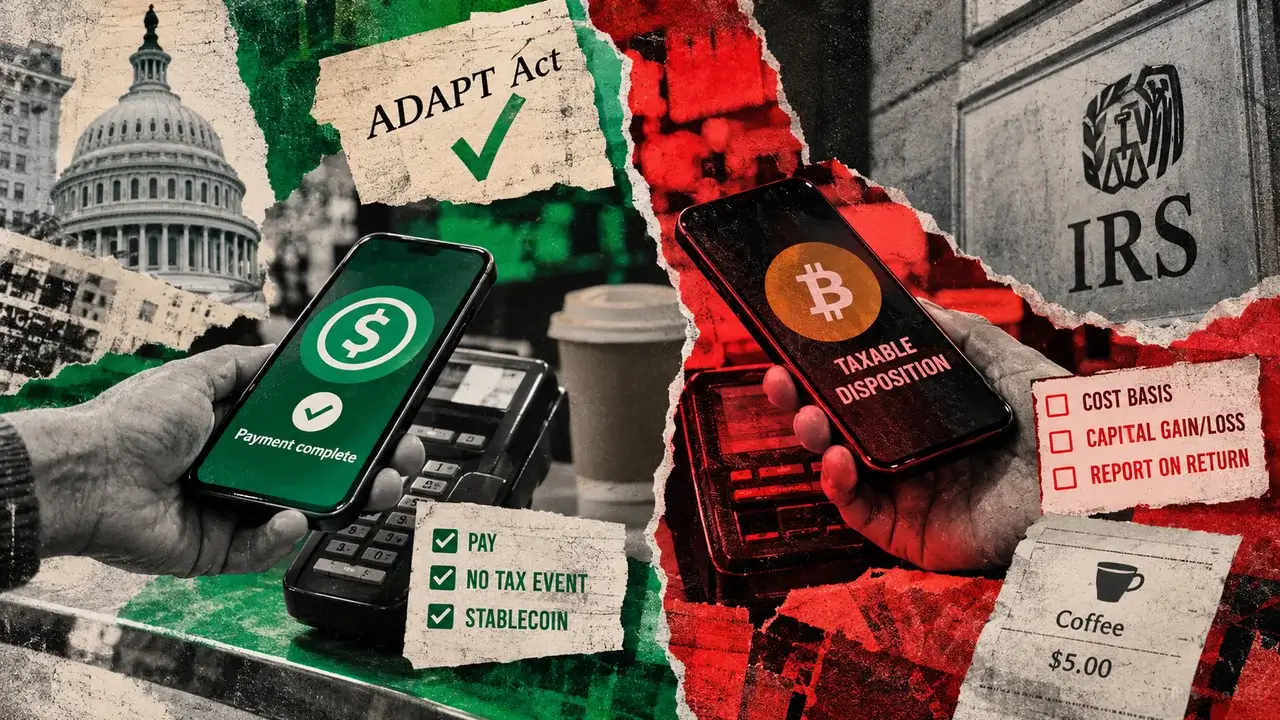
Senate tax bill frees stablecoin spending while Bitcoin stays on IRS forms
A coffee bought with a qualifying dollar stablecoin would avoid gain-or-loss recognition under the ADAPT Act that Sen. Steve Daine...

Crypto Markets Digest: The Block’s Live Price Feed Underscores the News-Data Nexus in Digital Assets
The Block pairs Bitcoin and Ethereum news with live prices. We examine why crypto news and real-time data fused, and what it means...

Lighter CEO points to fixed income as DeFi’s next big opportunity at Korea Blockchain Week 2026
DeFi's expansion into fixed income could bridge traditional finance and blockchain, potentially reshaping global financial markets...
Dragonfly’s Tom Schmidt sees synthetic dollars growing alongside tokenized assets
The growth of synthetic dollars alongside tokenized assets could reshape financial systems, offering new liquidity and investment...

Kraken Completes Acquisition Of TradeStation Crypto Infrastructure Assets
In a major development confirmed on SEPTEMBER 30, 2026, Confirmed announcement/filing for Kraken Completes Acquisition Of TradeSta...