New MassJacker malware targets piracy users, steals crypto
A previously unknown type of cryptojacking malware called MassJacker is targeting piracy users and hijacking crypto transactions by replacing stored addresses, according to a March 10 report from CyberArk.The cryptojacki...
Archive context
Older archive item. Useful for background and entity history, but not a fresh market-moving signal.

A previously unknown type of cryptojacking malware called MassJacker is targeting piracy users and hijacking crypto transactions by replacing stored addresses, according to a March 10 report from CyberArk.
The cryptojacking malware originates from the website pesktop[dot]com, where users seeking to download pirated software may unknowingly infect their devices with the MassJacker malware. After the malware is installed, the infection swaps out crypto addresses stored on the clipboard application for addresses controlled by the attacker.
According to CyberArk, there are 778,531 unique wallets linked to the theft. However, only 423 wallets held crypto assets at any point. The total amount of crypto that had either been stored or transferred out of the wallets amounted to $336,700 as of August. However, the company noted that the true extent of the theft could be higher or lower.
One wallet, in particular, seemed active. This wallet contained just over 600 Solana (SOL) at the time of analysis, worth approximately $87,000, and had a history of holding non-fungible tokens. These NFTs included Gorilla Reborn and Susanoo.
Related: Hackers have started using AI to churn out malware
A look into the wallet on Solana’s blockchain explorer Solscan shows 1,184 transactions dating back to March 11, 2022. In addition to transfers, the wallet’s owner dabbled in decentralized finance in November 2024, swapping various tokens like Jupiter (JUP), Uniswap (UNI), USDC (USDC), and Raydium (RAY).
Crypto malware targets array of devicesCrypto malware is not new. The first publicly available cryptojacking script was released by Coinhive in 2017, and since then, attackers have targeted an array of devices using different operating systems.
In February 2025, Kaspersky Labs said that it had found crypto malware in app-making kits for Android and iOS. The malware had the ability to scan images for crypto seed phrases. In October 2024, cybersecurity firm Checkmarx revealed it had discovered crypto-stealing malware in a Python Package Index, which is a platform for developers to download and share code. Other crypto malware have targeted macOS devices.
Related: Mac users warned over malware ‘Cthulhu’ that steals crypto wallets
Rather than having victims open a suspicious PDF file or download a contaminated attachment, attackers are getting sneakier. One new “injection method” involves the fake job scam, where an attacker will recruit their victim with the promise of a job. During the virtual interview, the attacker will ask the victim to “fix” microphone or camera access issues. That “fix” is what installs the malware, which can then drain the victim’s crypto wallet.
The “clipper” attack, in which malware alters cryptocurrency addresses copied to a clipboard, is less well-known than ransomware or information-stealing malware. However, it offers advantages for attackers, as it operates discreetly and often goes undetected in sandbox environments, according to CyberArk.
Magazine: Real AI use cases in crypto, No. 3: Smart contract audits & cybersecurity
Why this matters
This cryptocurrency story adds another data point to the current market tape and is useful when read alongside nearby source coverage.
Original source
Read on CointelegraphRelated market context
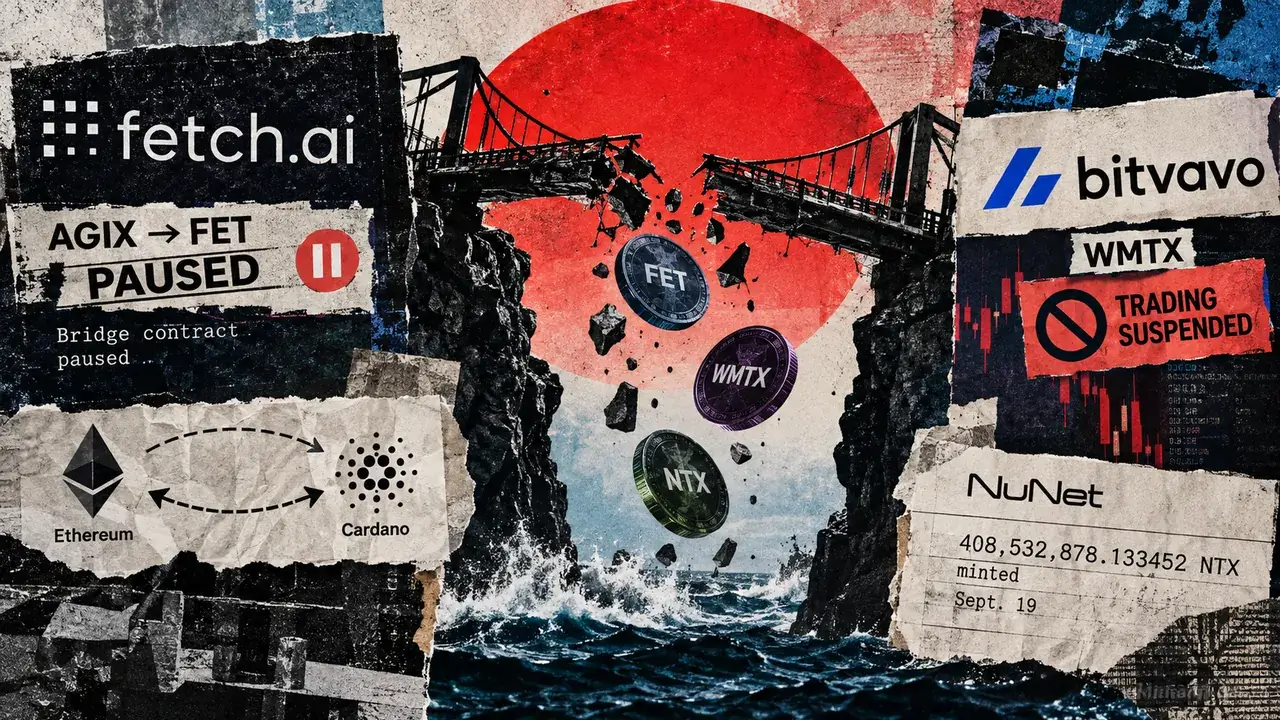
One wallet links $1.55 million FetchAI theft to massive 408.5 million NTX mint
A coordinated attack drained 8.7 million FET and used a compromised NuNet minter key to create 408.5 million NTX. The Sept. 19 att...

Binance Wallet Opens $4.7T Pre-IPO Market Access Through PancakeSwap Tokenized Deals
Key Takeaways: Binance Wallet now provides eligible users a chance to participate in PancakeSwap Pre-Access campaigns for tokenize...

Why truly decentralized DeFi needs no legal exemption according to SEC Commissioner Hester Peirce
SEC Commissioner Hester Peirce drew a sharp line around decentralized finance on Sept. 17. She said investors need no exemption to...

MEXC Expands Opportunity Compass with Stock Trading Handbook to Help Crypto Users Build Investment Knowledge
Mutsamudu, Comoros, September 22, 2026 – MEXC, a pioneer in 0-fee digital asset trading, has expanded its Opportunity Compass educ...

Slowmist Warns Darksword iOS Exploit Targets Crypto Wallet Keys
23pds, Chief Information Security Officer at Slowmist, reported the evolution of this exploit, which, due to the combination of se...

Binance distributes $0.75 QQQB dividends to spot wallets
Binance's reinvestment of dividends into tokenized assets enhances user engagement and showcases the potential of blockchain in fi...