OpenAI sought Anysphere deal before turning its sights on WindSurf
OpenAI was reportedly in talks to buy Anysphere, the company that produces the Cursor AI coding assistant, before entering into talks with rival company WindSurf.According to CNBC, OpenAI approached Anysphere in 2024 and...
Archive context
Older archive item. Useful for background and entity history, but not a fresh market-moving signal.

OpenAI was reportedly in talks to buy Anysphere, the company that produces the Cursor AI coding assistant, before entering into talks with rival company WindSurf.
According to CNBC, OpenAI approached Anysphere in 2024 and again in 2025, but talks stalled both times. Failing to arrive at a deal led OpenAI to look elsewhere for potential acquisitions.
Sources familiar with the deal also say OpenAI is prepared to pay $3 billion to purchase WindSurf, which would make it the company's largest corporate acquisition to date.
An example of OpenAI’s ChatGPT producing computer code through simple text prompts. Source: ChatGPTOpenAI's attempted acquisition of an AI coding assistant company follows the release of DeepSeek R1 in January 2025, which shattered long-held assumptions about artificial intelligence.
DeepSeek was reportedly trained at a fraction of the cost of leading AI models while delivering comparable performance — challenging the belief that scaling requires massive computing power, rattling financial markets, and raising questions about the billions spent by US AI giants.
Related: OpenAI to release its first ‘open’ language model since GPT-2 in 2019
OpenAI inches toward profitability but cheaper competitors still a challengeOpenAI expects to triple its revenue in 2025 to approximately $12.7 billion by selling paid subscriptions for its leading AI models to individuals and businesses.
The company surpassed 1 million premium business subscribers in September 2024. However, OpenAI CEO Sam Altman said the AI giant might not be profitable until 2029.
According to Altman, OpenAI needs revenues of approximately $125 billion to turn a profit on its capital-intensive business.
In February 2025, Altman said that AI development costs were dropping dramatically. “The cost to use a given level of AI falls about 10x every 12 months," the CEO wrote in a Feb. 9 blog post.
Despite this, high costs and centralization issues continue to plague large-scale corporate AI developers, who must compete with more nimble open-source counterparts.
Dr. Ala Shaabana — co-founder of the OpenTensor Foundation — recently told Cointelegraph that the release of DeepSeek solidified open-source AI as a serious contender against centralized AI systems.
Shaabana added that the lower cost of open-source systems proves that AI does not need billions of dollars to scale or achieve high-performance benchmarks.
Why this matters
This cryptocurrency story adds another data point to the current market tape and is useful when read alongside nearby source coverage.
Original source
Read on CointelegraphRelated market context
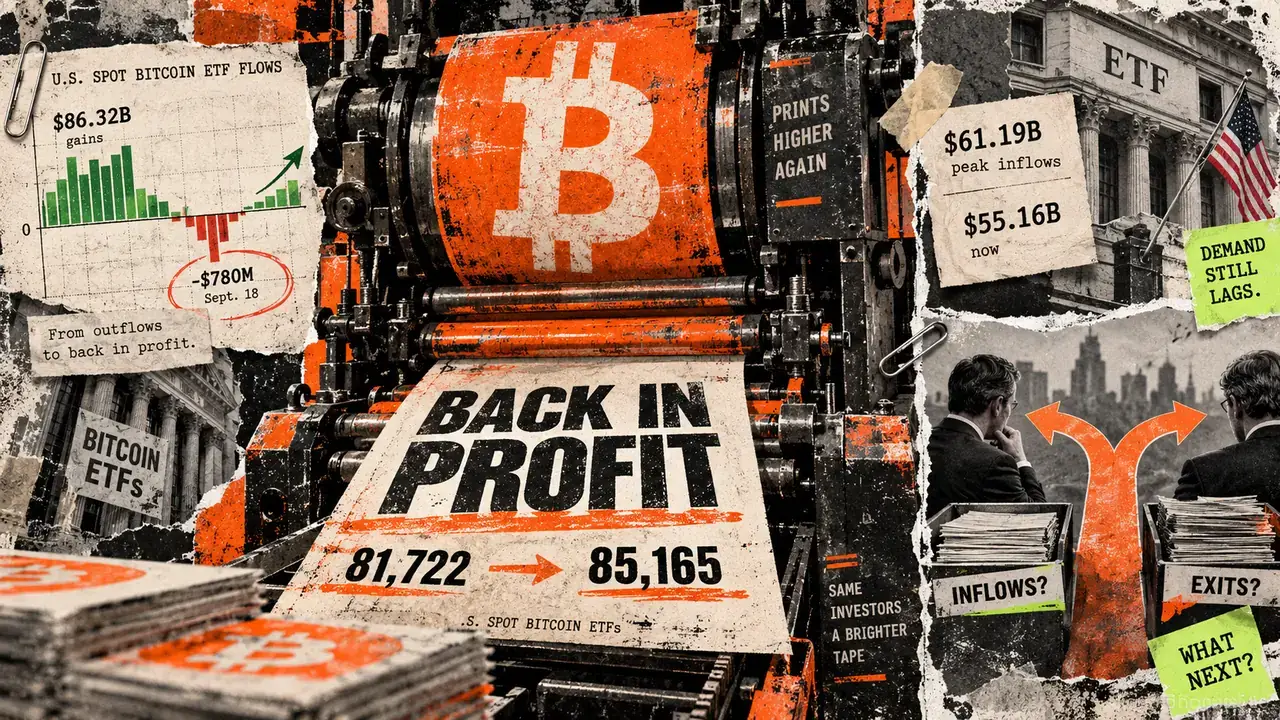
Bitcoin hits $86,000 putting ETF investors back in profit after $86 billion wipeout
Bitcoin’s rally toward $86,000 has pushed US spot exchange-traded fund (ETF) investors back into profit after months underwater. D...

Binance Wallet Opens $4.7T Pre-IPO Market Access Through PancakeSwap Tokenized Deals
Key Takeaways: Binance Wallet now provides eligible users a chance to participate in PancakeSwap Pre-Access campaigns for tokenize...
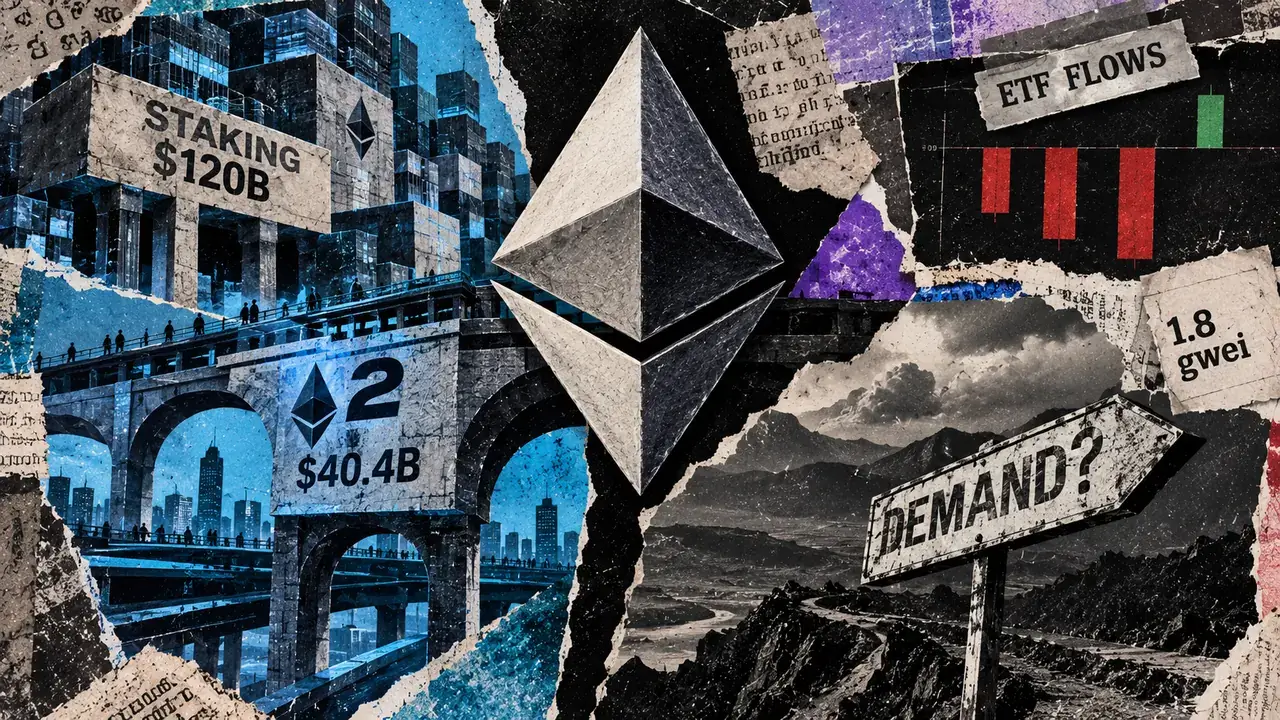
L2 growth and $120 billion in staking hide Ethereum’s supply reality
Ethereum's institutional data hub showed about $120 billion in staked ETH and $40.4 billion in daily average total value locked on...

NOWPayments Releases Cross-Chain Payout Data Revealing Key Performance Benchmarks Across TRON, BNB Chain, and Solana
Tallinn, Estonia, September 21st, 2026, Chainwire NOWPayments today published new empirical data analyzing six months of enterpris...

Billionaire Investor Tim Draper: “Irresponsible” for Apple & Meta NOT to Hold BTC
Bitcoin Magazine Billionaire Investor Tim Draper: “Irresponsible” for Apple & Meta NOT to Hold BTC Government spending hasn’t slow...

Hong Kong Stock Exchange seeks to ease listing rules for corporate deals
Easing listing rules may boost Hong Kong's appeal as a financial hub, fostering more dynamic corporate activities and market compe...