Polygon reduces block time to 1.75 seconds as payments push accelerates
Polygon delivered its first block time reduction upgrade since genesis, as the network seeks to position for more high-frequency applications such as private stablecoin payments.
Archive context
Older archive item. Useful for background and entity history, but not a fresh market-moving signal.

Polygon delivered its first block time reduction upgrade since genesis, as the network seeks to position for more high-frequency applications such as private stablecoin payments.
Why this matters
This maps to the Layer 2 hub, so it can help confirm whether that theme is gaining breadth across the crypto news cycle.
Original source
Read on CointelegraphRelated market context
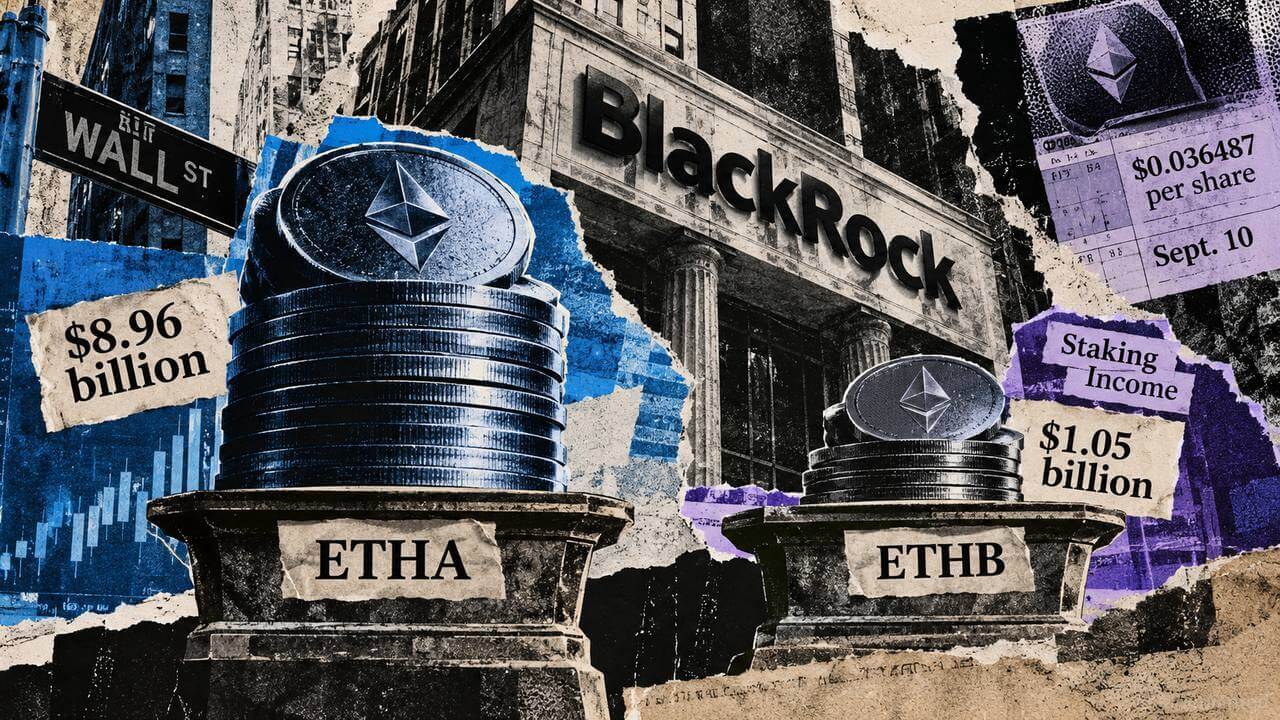
BlackRock’s staking Ethereum ETF pays yield but investors still prefer its $9 billion ETHA fund
Staking was supposed to strengthen Ethereum exchange-traded funds (ETFs), but BlackRock’s early results show investors still favor...

White House Agrees to Major Crypto Ethics rules in a last-minute push to save the CLARITY Act
Senate Republicans have released another round of revisions to the CLARITY Act as they seek Democratic support ahead of a Septembe...

XRP News: XRPL Records 2K Transactions from 20 Wallets
The XRP Ledger processed a record 3,254 transactions in ledger 106,965,249 yesterday, but 2,000 of the news came from just 20 acco...

Centrifuge assets go live on X Layer, expanding DeFi access to tokenized Treasuries and CLOs
Centrifuge's integration on X Layer enhances DeFi's appeal by bridging traditional finance with blockchain, potentially reshaping...

Audited DeFi protocols lost $885M to attacks that occurred completely outside their audit scopes
In decentralized finance, “audited” is often presented as a verdict on an entire project. In practice, an audit usually covers nam...

Solana generates 16.9 times more daily app revenue than Base, and the gap keeps widening
Solana's app revenue dominance highlights the potential advantages of monolithic chains in app monetization, impacting Layer-1 vs....