Regulators Say Stablecoins Should Face Same Scrutiny as Existing Payments
The International Organization of Securities Commissions (IOSCO) and the Bank for International Settlements (BIS) have said in a report that rules for traditional payments must apply to stablecoins, per Reuters. “This re...
Archive context
Older archive item. Useful for background and entity history, but not a fresh market-moving signal.
The International Organization of Securities Commissions (IOSCO) and the Bank for International Settlements (BIS) have said in a report that rules for traditional payments must apply to stablecoins, per Reuters.
“This report marks significant progress in understanding the implications of stablecoin arrangements for the financial system and providing clear and practical guidance on the standards they need to maintain its integrity,” IOSCO chair Ashley Adler reportedly said in a statement.
The report’s proposals are facing a stage of public consultation before being finalized by early 2022.
If adopted, this regulatory approach would mean stablecoin operators would have to set up legal entities which define approaches to certain risks, including operational risks like cyber attacks.
What are stablecoins?Stablecoins are cryptocurrencies, and many of which are pegged to the price of fiat currencies like the US Dollar, making them far less volatile than traditional cryptocurrencies like Bitcoin.
As a result, stablecoins are often considered to be a bridge, allowing users to trade in and out of other cryptocurrencies. Despite their importance to the crypto industry, stablecoins remain deeply controversial.
Tether—by far the largest stablecoin by market capitalization—once claimed it was backed 100% by U.S. dollars. It now claims to be backed by commercial paper, as well as other assets.
“There is no stablecoin that comes close to Tether’s 24-hour trading volume, which attests to the trust Tether traders have instilled in it,” one Tether spokesperson previously told Decrypt.
However, that trust is also at the epicenter of controversy for Tether. In May of this year, Tether’s reserves breakdown showed that less than 3% of Tethers are backed by cash. In August, a similar report from the company showed this figure had risen to 10%.
Tether Is Backed by Nearly 50% Commercial Paper Says New Report
Tether is not the only stablecoin provider that has had to handle controversy in recent months.
Circle, the company behind the USDC stablecoin, has been under SEC investigation since July of this year. In August, the company paid the SEC over $10 million after Poloniex—a former subsidiary of Circle’s—operated as a digital asset exchange without the requisite license.
Why this matters
This cryptocurrency story adds another data point to the current market tape and is useful when read alongside nearby source coverage.
Original source
Read on DecryptRelated market context

Visa Says Business Payments Now Drive 17% Of Stablecoin-Linked Card Volume
TL;DR Visa says roughly 17% of its stablecoin-linked card volume in fiscal 2026 year-to-date came from business and commercial car...
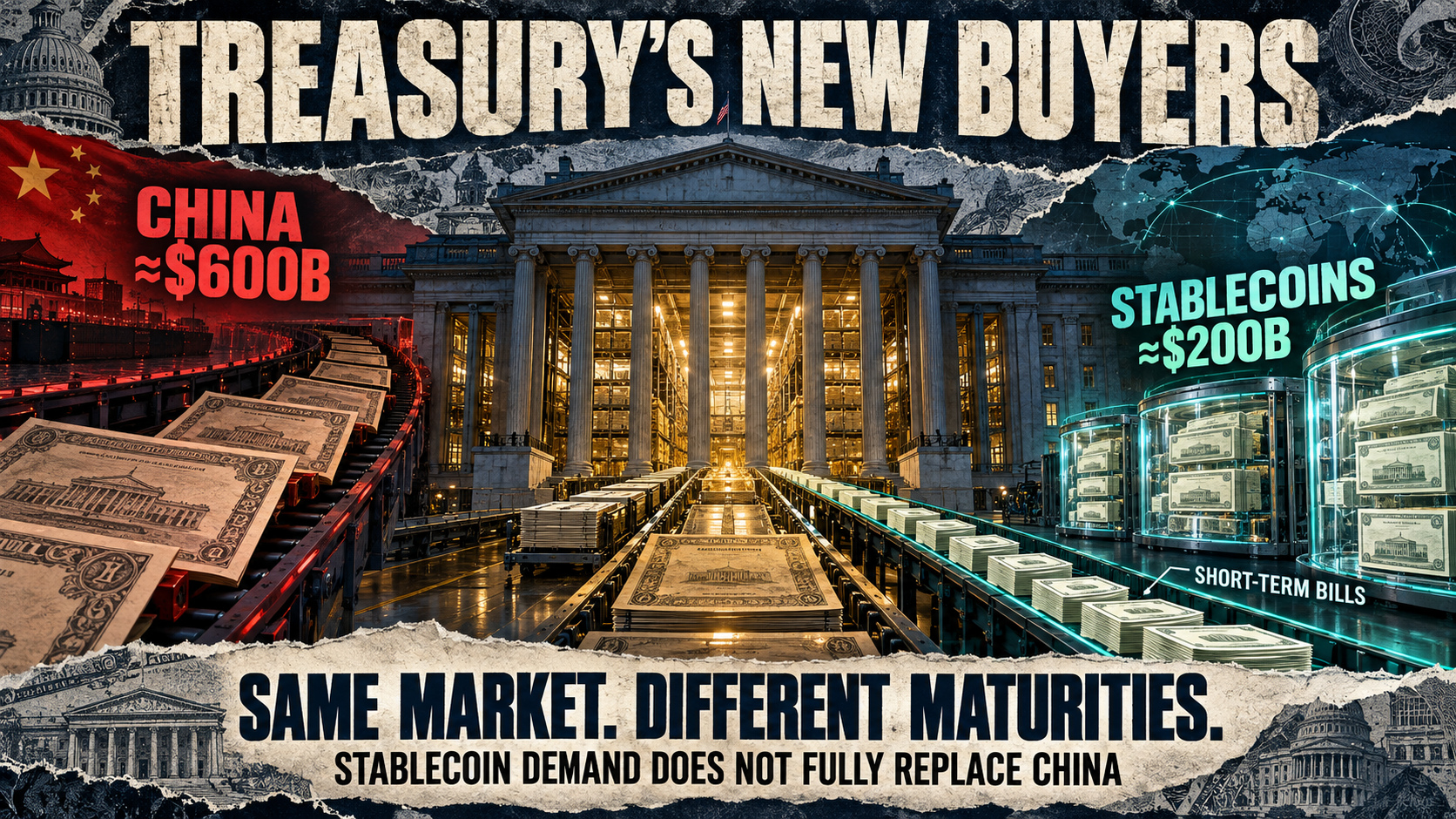
Stablecoin issuers have replaced 40% of China’s lost US Treasury demand
Stablecoin issuers are emerging as a new source of demand for US government debt as foreign official holdings lose ground. Tether...

Fiserv Puts Stablecoin Banking Platform Live With North Dakota Roughrider Coin
TL;DR Fiserv says its digital-asset platform is now live with financial-institution clients. Bank of North Dakota’s dollar-backed...
Circle Pushes Back on MiCA's Bank-Deposit Mandate for Stablecoins
The USDC issuer told the European Commission that MiCA's reserve mandates and concentration caps keep the largest global stablecoi...

RWA Foundation counts 717 stablecoin deployments in its latest quarterly report
The fragmentation of stablecoin deployments across multiple blockchains highlights the growing need for improved cross-chain liqui...

Congress weighs letting banks hold crypto, issue stablecoins
The proposal could accelerate institutional crypto adoption, potentially stabilizing digital asset markets and influencing Bitcoin...