Russia and Stablecoin Use: Ruble-Pegged A7A5 Moved $9B on One Crypto Exchange
When the success of Circle’s public listing made headlines on Wall Street, a lesser-known ruble-pegged stablecoin—launched by a fugitive Moldovan oligarch and a Russian defence-sector bank—was being used for real-world c...
Archive context
Older archive item. Useful for background and entity history, but not a fresh market-moving signal.

When the success of Circle’s public listing made headlines on Wall Street, a lesser-known ruble-pegged stablecoin—launched by a fugitive Moldovan oligarch and a Russian defence-sector bank—was being used for real-world cross-border payments to bypass sanctions on Russia. A7A5, said to be the first ruble-pegged stablecoin, has moved around $9.3 billion on a dedicated crypto exchange in just four months since its launch, according to a Financial Times report.
There are now 12 billion A7A5 tokens in circulation, worth around $156 million. However, only a “relatively small group of users” actively use the token.
Related to stablecoin: Circle Shares Soar 235% on First Day of NYSE Trading
Bypassing Sanctions on Russia
The stablecoin was officially launched in Kyrgyzstan to support large-scale financial flows in and out of Russia. Interestingly, only a newly launched Kyrgyzstan-based crypto exchange, Grinex, handled the vast volume of A7A5 transactions.
Grinex, which supports trading only in A7A5, rubles, and a dollar-pegged stablecoin, was founded around the same time as the ruble-pegged token. The exchange and the stablecoin issuer were registered in Kyrgyzstan shortly after the US crackdown on Garantex, Russia’s largest crypto exchange.
Furthermore, Swiss blockchain research company Global Ledger found that a large amount of USDT held on Garantex was moved into A7A5. Then, around $29 million worth of A7A5 tokens were transferred to Grinex.
Over the months, at least $149 million has been invested in the ruble-pegged cryptocurrency, which is expected to generate tens of millions of dollars’ worth of rubles in interest for its creators.
The stablecoin had a British-sanctioned firm, A7, as its backer. A7A5 told the publication that it had “co-operated with the technical team of A7 at the early stage” but “decided to separate completely due to different visions of development strategy” last month.
Notably, the rise in the token’s use came at a time when multiple Russian officials promoted cryptocurrencies as a way to bypass Western sanctions. The country’s Finance Minister even confirmed the use of Bitcoin in international trade settlements.
Russian users can first buy A7A5 tokens on Tron or Ethereum, swap them for Tether’s USDT (which tracks the US dollar), and then withdraw the funds in any country and currency they choose.
Connection with Garantex?
The Garantex seizure by US authorities and the subsequent freeze of $23 million in USDT by Tether from Garantex wallets led to growing demand for a local stablecoin in Russia.
“Garantex users with outstanding balances at the time it was shut down could have these balances credited to new accounts set up on Grinex,” said Tom Robinson, chief scientist and founder of Elliptic. “It is therefore clear that Grinex is a direct successor to Garantex, and highly likely to be operated and controlled by the same parties.”
However, Grinex claims to be an independent platform and denies any connection to Garantex.
“All claims of ‘continuity’ or ‘rebranding’ are speculative and not supported by the facts,” a Grinex representative told the Financial Times. “Grinex capitalised on market opportunities after the closure of Garantex as part of its growth strategy… Grinex obtained a portion of the non-toxic customer base of the blocked Garantex exchange, committing only to users with a transparent history.”
This article was written by Arnab Shome at www.financemagnates.com.Why this matters
This cryptocurrency story adds another data point to the current market tape and is useful when read alongside nearby source coverage.
Original source
Read on Finance MagnatesRelated market context
Bitcoin faces an October 18 test as Trump prepares new Russia tariffs
President Donald Trump’s new Russia sanctions law gives Bitcoin traders another macro deadline to watch: Oct. 18. On Sept. 18, Tru...
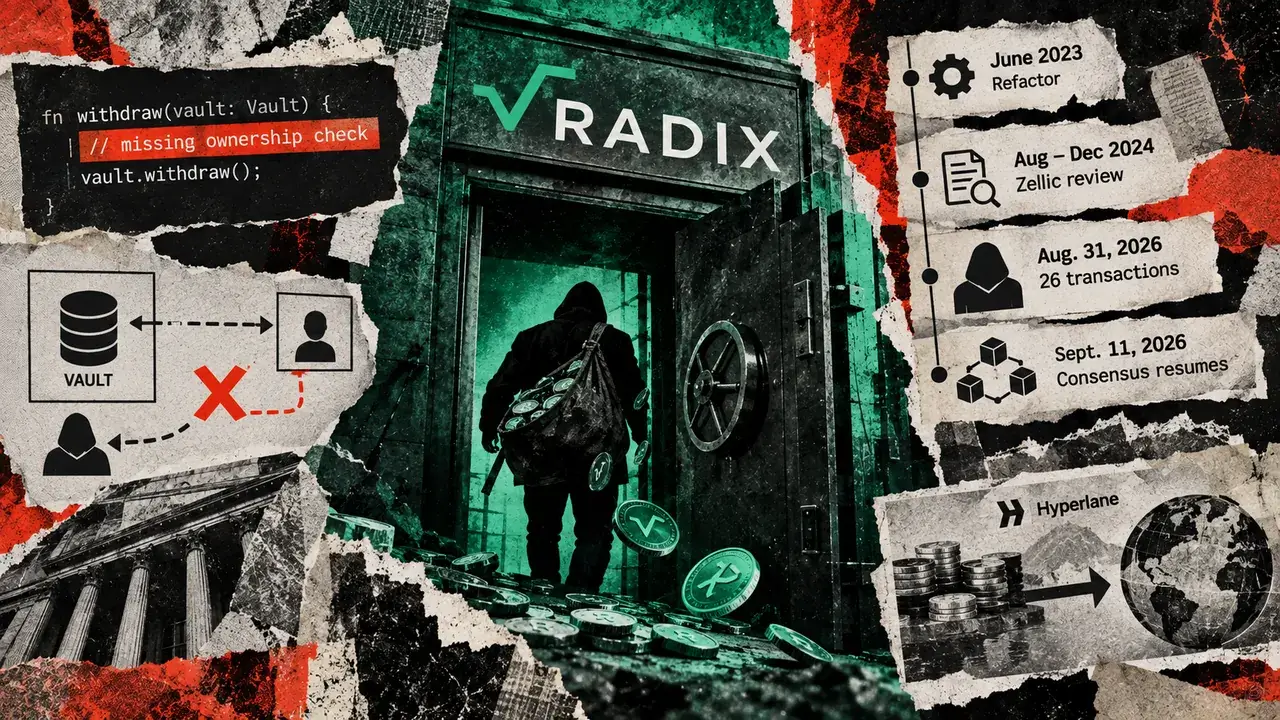
3-year-old bug triggers $1.3 million drain and forces 10-day blockchain halt
A routine Radix code refactor created a vault flaw that enabled a roughly $1.3 million theft and later forced validators to halt t...

US Sanctions Iranian Exchange BitBank Over Bitcoin Transfers to the IRGC and Hormuz Passage Fees
The US Treasury sanctioned BitBank, a Tehran cryptocurrency exchange, on Thursday, saying the platform moved hundreds of millions...
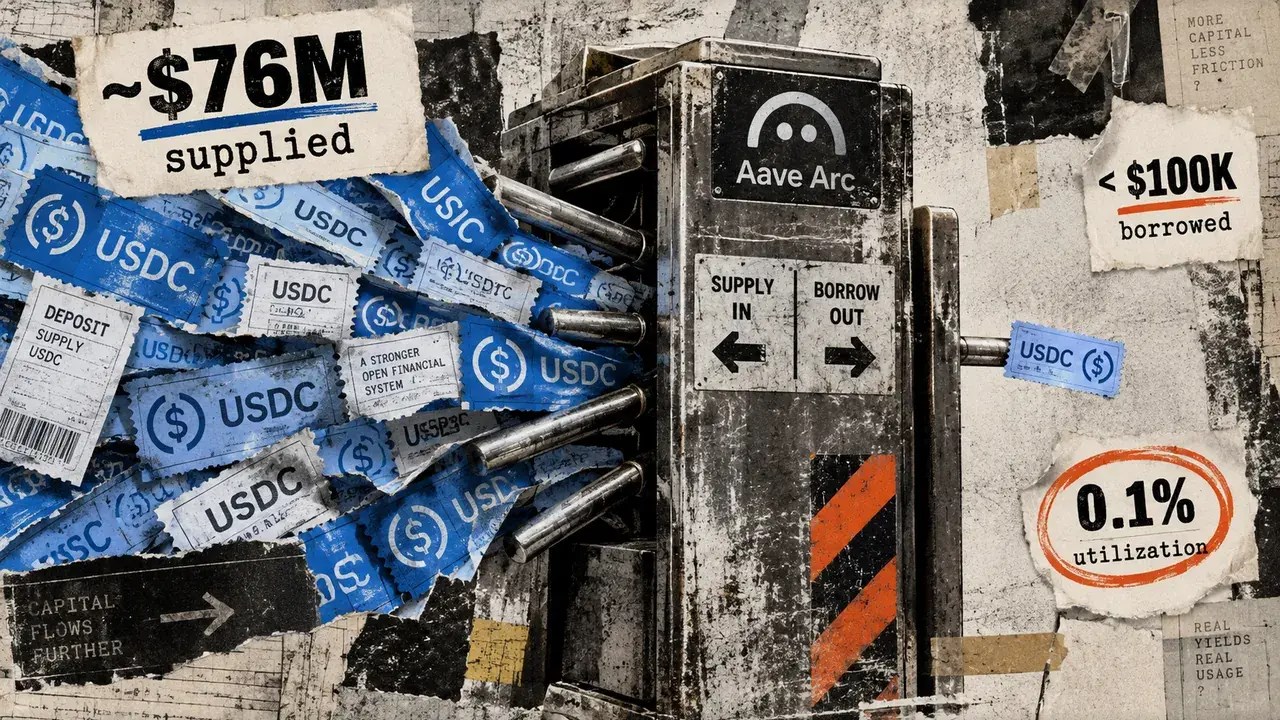
Aave V4’s Arc market is swimming in $76 million of USDC nobody is borrowing
Aave V4 went live on the Arc Layer-1 network on Sept. 16 and attracted USDC almost immediately. By Sept. 17, point-in-time Aavesca...
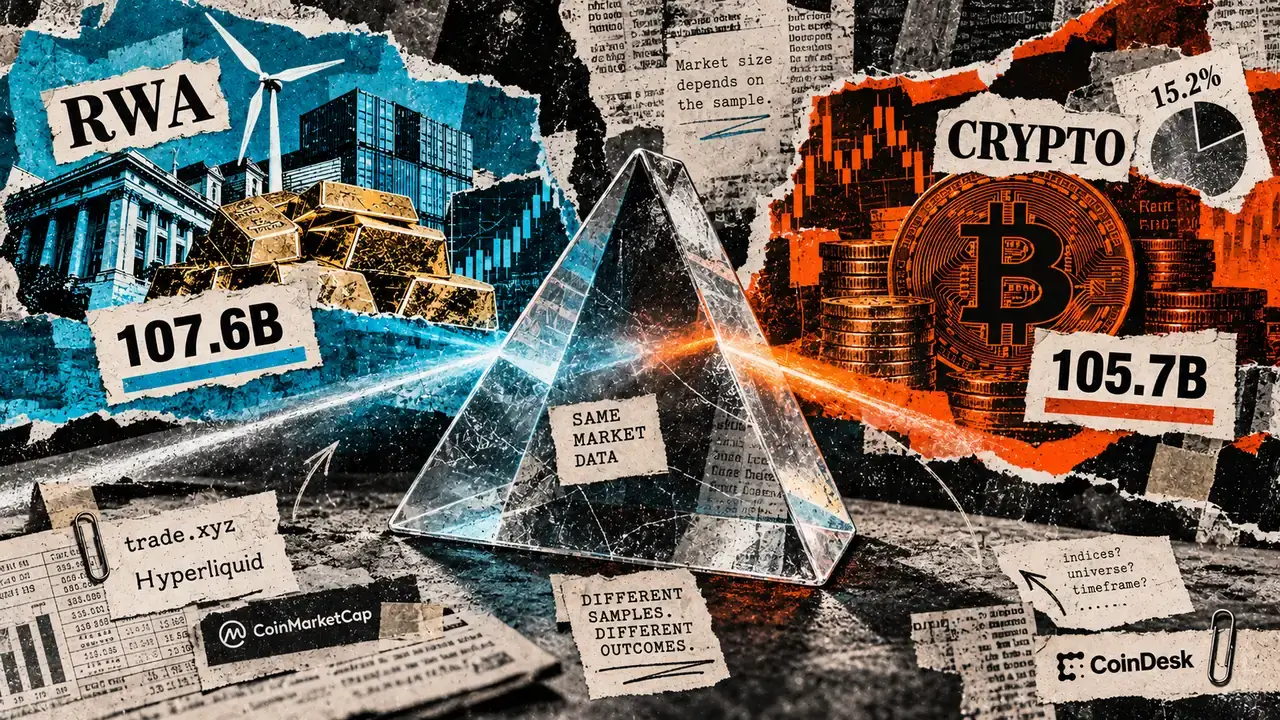
Did RWA futures really overtake crypto? Only if you ignore 90% of the market
A new report from OKX and Token Terminal says real-world-asset (RWA) futures on trade.xyz edged past crypto futures on Hyperliquid...

US sanctions Iranian crypto exchange and its software developer over alleged IRGC Bitcoin transfers
The US sanctioned Iranian crypto exchange BitBank, widening its campaign against digital-asset infrastructure allegedly used to fi...