Russian Parliament Adopts Tax Rules for Digital Assets
Russian lawmakers have approved amendments regulating the taxation of transactions with digital assets. The legislation concerns business operations with cryptocurrencies and tokens. In some cases, the burden for Russian...
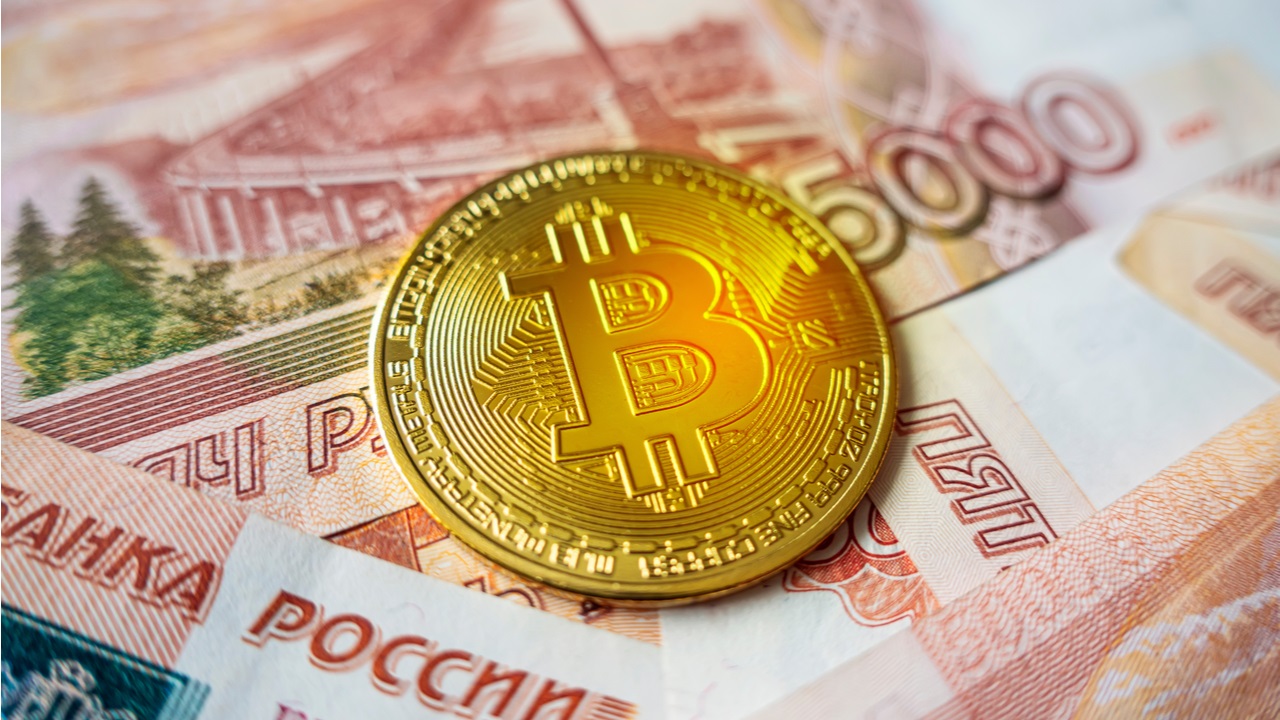
Russian lawmakers have approved amendments regulating the taxation of transactions with digital assets. The legislation concerns business operations with cryptocurrencies and tokens. In some cases, the burden for Russian companies will be reduced as compared to foreign entities.
Russian Duma Passes Law to Tax Crypto TransactionsA bill amending the Tax Code of the Russian Federation to allow the authorities in Moscow to tax operations with digital financial assets (DFAs) has been approved on second, third, and final reading in the State Duma, the lower house of Russian parliament.
The legislation clarifies various aspects of the taxation of cryptocurrencies, as DFA is currently the main term in Russian law that applies to them. A new law “On Digital Currency” should expand the legal framework and definitions for crypto assets this fall.
According to the document, quoted by the crypto news outlet Forklog, services provided by platforms that issue, control, and keep records of the movement of DFAs will be excluded from the scope of the value-added tax (VAT), just like with securities.
When exercising digital rights, the legal term that encompasses security and utility tokens, the tax base will be determined as the difference between the sale and the acquisition price of the respective digital right, the report detailed.
Russian legal entities owning digital tokens will pay 13% on the amount of income received from them while foreign-based companies will be charged at a higher, 15% rate, the new tax provisions dictate, giving a slight advantage to local businesses.
The crypto tax law was initially submitted to the State Duma in mid-April and passed on first reading the following month. It was also approved by the parliamentary financial market and new legislation committees. At the time, legal experts were quoted as noting that the tax rules do not apply to private crypto holdings.
Russian officials have been working this year to comprehensively regulate the country’s crypto space. The adoption of the digital currency law, which was proposed by the Ministry of Finance in February, has been delayed by ongoing discussions on the future legal status of decentralized cryptocurrencies like bitcoin.
Do you expect Russia to adopt more crypto-related regulations by the end of 2022? Tell us in the comments section below.
Original source
Read on Bitcoin NewsRelated market context

British forces board sanctioned Russian oil tanker in English Channel, exposing crypto-paid shadow fleet
The operation highlights the growing use of cryptocurrencies for sanctions evasion, potentially increasing regulatory scrutiny on...

Hester Peirce Farewell Speech Highlights SEC Crypto Rulemaking Divide
TL;DR SEC Commissioner Hester Peirce delivered a farewell speech titled “Peirce Out.” She criticized the agency’s reliance on enfo...

Carlo Ancelotti confident Brazil can compete with any team as crypto fan tokens heat up ahead of World Cup opener
Ancelotti's leadership and Brazil's strong squad could boost fan token interest, impacting crypto markets and enhancing digital fa...

Bitcoin price faces new risk as big buyers lose conviction
Bitcoin’s largest buyers are no longer behaving like a reliable backstop for the largest cryptocurrency. The exchange-traded funds...

UK armed forces intercept Russian shadow fleet in Channel, exposing crypto-powered sanctions evasion
The interception of Russia's shadow fleet highlights the evolving complexity of sanctions evasion, underscoring crypto's role in g...

Carlo Ancelotti takes responsibility for Brazil’s 1-1 draw with Morocco as crypto fan tokens enter the World Cup spotlight
Ancelotti's debut highlights challenges of foreign leadership in Brazil, while FIFA's blockchain ventures could reshape fan engage...