Sam Bankman-Fried's High-Stakes Entry into Crypto: $500,000 Daily Crypto Losses
According to the acclaimed author Michael Lewis in his biography "Going Infinite", Sam Bankman-Fried's (SBF) initial foray into crypto trading was marked by huge losses, with his hedge fund losing over half a million dol...
Archive context
Older archive item. Useful for background and entity history, but not a fresh market-moving signal.

According to the acclaimed author Michael Lewis in his biography "Going Infinite", Sam Bankman-Fried's (SBF) initial foray into crypto trading was marked by huge losses, with his hedge fund losing over half a million dollars daily.
In 2017, SBF secured an investment of nearly $170 million from a group of investors who subscribed to the ideology of effective altruism, as mentioned in the book preview cited by Coindesk. These investors were dedicated to finding ways to make a positive impact on society, often through donations or funding noble causes.
SBF, a 26-year-old at the time, had ambitious goals for these funds. His plan was to enter the rapidly growing crypto markets, leveraging differences in prices across various platforms and using high-frequency trading strategies to earn profits, even if they were just small amounts every few seconds.
Alameda Research's Comeback
Alameda Research, under SBF's leadership, started with a series of trades that seemed promising but quickly turned into significant losses. During one particular month, the firm lost over $500,000 each day, leading to serious concerns about its future viability. Some trading funds even disappeared mysteriously due to poor management, Lewis recounted.
One of the notable disappointments was a trading bot known as Modelbot. This bot, designed to navigate the trading of nearly 500 tokens across about thirty exchanges, proved to be a significant letdown in its initial phase. It showed no discrimination between popular cryptocurrencies like Bitcoin and Ethereum and less popular meme coins. This lack of discernment raised alarms among early Alameda staff who feared that it might erode all the capital raised.
However, things started to improve for Alameda Research when Gary Wang and Nishad Singh joined. Both were Directors at the cryptocurrency exchange FTX, and they used their expertise to help Alameda overcome its challenges. Wang's contribution came in the form of a quantitative trading system that began generating profits for Alameda. Singh took on the challenging task of managing the company, guiding it toward what would later become FTX.
Sam Bankman-Fried's Plans to Pay the Bahamas' Debt
Besides that, SBF engaged in discussions about paying off the Bahamas' substantial $10 billion national debt, as described by Lewis. SBF's plan to ease the debt burden aligned with his belief that the Bahamas' regulatory environment had the potential to legitimize the cryptocurrency industry.
He saw the Bahamas as attractive due to its progressive regulatory framework. It offered the potential for the cryptocurrency industry to flourish. However, this shift was not without its challenges. The Bahamas, heavily reliant on tourism, had been hit hard by the COVID-19 pandemic.
SBF's vision was to provide the nation with the financial means to undertake vital infrastructure projects, such as road improvements and the construction of schools, with greater ease and speed. Michael Lewis' biography reveals that SBF even discussed this plan in a meeting with the Prime Minister of the Bahamas, Philip Davis.
In New York, SBF's trial has entered the second day. Despite the absence of a comprehensive legal framework for cryptocurrencies in the United States, the Department of Justice (DOJ) contends that this will not deter the pursuit of fraud charges against SBF.
In a filing published today (Wednesday), the DOJ argued that the existence of specific laws might be relevant in establishing a statutory duty of care, but the absence of such regulations does not undermine the fact that customer funds were entrusted to the defendant's care, and misappropriation is a violation of existing laws.
This article was written by Jared Kirui at www.financemagnates.com.Why this matters
This cryptocurrency story adds another data point to the current market tape and is useful when read alongside nearby source coverage.
Original source
Read on Finance MagnatesRelated market context
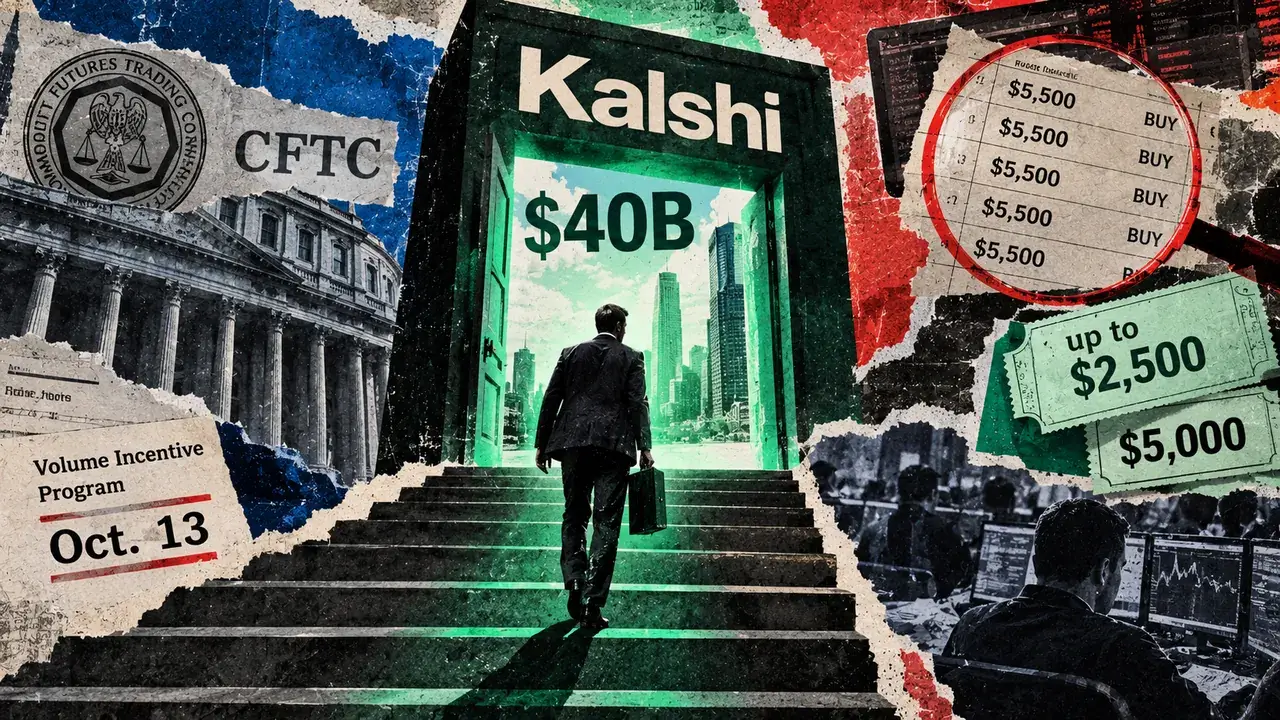
Kalshi’s $40 billion growth story hits tough questions about its trading volume
Kalshi is ending a trader-volume incentive program nearly a year early as scrutiny of activity in its crypto markets intensifies....

Aave’s $50 million lending plan could lose money without a single default
Aave’s proposed institutional lending business would put crypto collateral on both sides of the financing chain. Institutions woul...

Coinbase Faces Hack Cover-Up Allegations as Customers Claim Huge Losses
A public dispute over how Coinbase handles customers who say they lost funds on the exchange has grown over the past week on X, dr...

Robinhood Readies 10x Crypto Perps for US Traders and Unveils AI Trading Agents in Its App
Robinhood plans to let eligible U.S. customers trade crypto perpetual futures in its app with up to 10x leverage, part of a batch...

BitMart Proposes Court-Backed Plan Offering Users Payouts or Tokens Tied to Its 2021 Hack
BitMart has published a preliminary plan for repaying its users, more than two months after the crypto exchange began winding down...

Bitcoin enters its best season after a 43% surge, with $147,000 suddenly on the math
Bitcoin is closing its strongest quarter since 2024 after leaving US stocks and gold far behind despite surging bond yields. The l...