Shariah-Compliant Stablecoin PUSD Moves Into MidEast Institutional Arena
A dollar-linked stablecoin built to meet Islamic finance standards is now operating on a new blockchain network anchored in the Middle East, adding a second digital currency to a settlement platform backed by some of Abu...
Archive context
Older archive item. Useful for background and entity history, but not a fresh market-moving signal.

A dollar-linked stablecoin built to meet Islamic finance standards is now operating on a new blockchain network anchored in the Middle East, adding a second digital currency to a settlement platform backed by some of Abu Dhabi’s biggest financial names.
Backed By Gulf Currencies, Not Just The DollarPUSD, issued by Palm Azgar Finance, holds reserves in Saudi riyals and UAE dirhams — both pegged to the US dollar — rather than holding US dollars directly.
That structure is central to its Shariah-compliant design, which is aimed at institutions operating under Islamic finance rules that prohibit interest and require asset backing.
The stablecoin has roughly $2.3 billion in circulation and runs on several major blockchains, including Ethereum, BNB Chain, Solana, and Tron. ADI Chain is its newest addition.
ADI Chain was built as a settlement layer for a dirham-backed token that came out of a partnership between International Holding Company and First Abu Dhabi Bank. The Central Bank of the UAE licensed it.
With PUSD now on board, institutions using the network can settle transactions in either a dollar-linked or dirham-denominated token operating on the same platform.
The ADI Foundation says the network is designed to support payment corridors across the Gulf, broader Middle East, and parts of Africa.
A $3 Trillion Market In The CrosshairsIslamic finance assets are estimated at more than $3 trillion worldwide, according to the ADI Foundation. That market has traditionally been served by conventional banks and funds operating under Shariah guidelines, but blockchain-based alternatives have struggled to break through at scale.
Sharia Law At A GlanceShariah law forbids interest, limits speculation, and requires financial instruments to be backed by real assets — rules that disqualify most crypto products outright. For a stablecoin to meet that standard, it must hold verifiable reserves and generate no interest-based returns.
Certification from a board of qualified Islamic scholars is typically required, though the report does not confirm whether PUSD has obtained one.
PUSD’s move onto ADI Chain is a bid to change that, targeting corporate treasuries, exchanges, and payment processors looking for compliant digital settlement tools.
The UAE has become one of the more active regulatory environments for stablecoins. Several frameworks have been put in place by the Central Bank and the Abu Dhabi Global Market, covering both dirham-pegged and dollar-denominated tokens.
Global Players Already In The UAE SpaceApprovals have also been extended to established names. Tether, Ripple USD, and Circle have all been cleared to operate within the ADGM financial zone by its Financial Services Regulatory Authority.
That puts PUSD in a field that includes some of the largest stablecoin issuers in the world, competing for a share of institutional transaction flow in one of the region’s most active financial hubs.
Featured image from Unsplash, chart from TradingView
Why this matters
BNB is showing up inside the Stablecoins theme, so this story is worth tracking for follow-through rather than treating it as a one-off headline.
Original source
Read on NewsBTCRelated market context
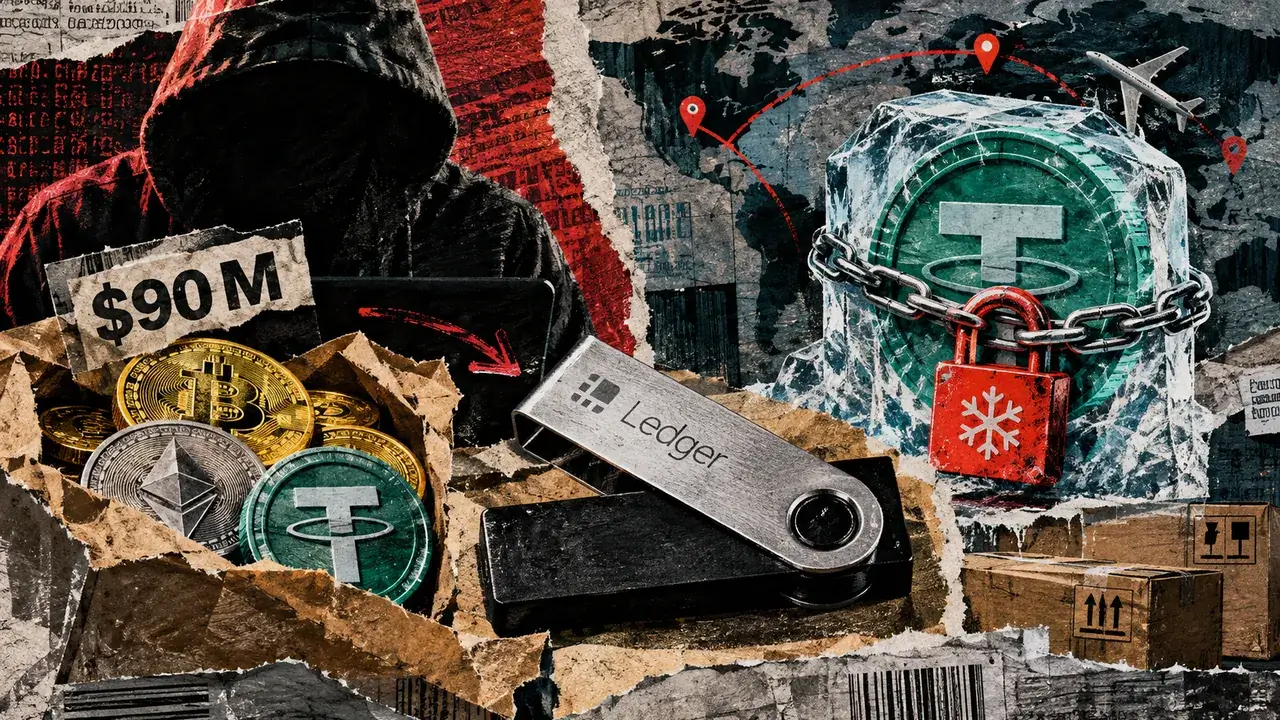
Ledger hack scare nears $90 million as Tether moves to freeze stolen USDT
Suspected Ledger wallet thefts are approaching $90 million as Tether freezes USDT stablecoin linked to the incident, according to...
Tether Freezes $1.45M in THORChain USDT Vaults, Then Reverses Blacklist Hours Later
Key Takeaways: The amount of about $1.45 million in USDT was temporarily frozen in THORChain vault addresses. According to THORCha...

Circle mints 250M USDC on Solana, boosting liquidity and network potential
Increased USDC supply on Solana may enhance network activity and adoption, but market caution persists regarding significant price...

Ledger theft-linked funds shift from USDT to USDD to dodge Tether freezes
The shift from USDT to USDD underscores vulnerabilities in stablecoin freeze mechanisms, prompting scrutiny on regulatory and secu...
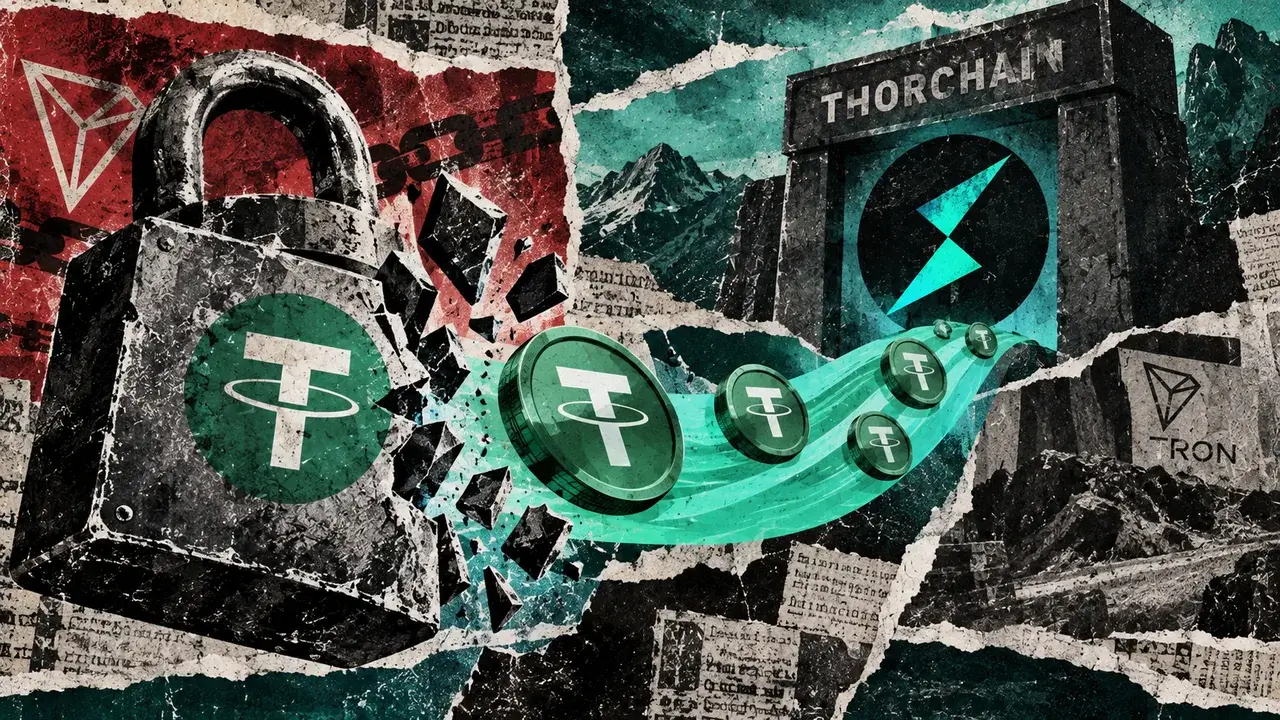
Tether freezes $1.4M in TRON vaults and THORChain stalls
THORChain's TRON operations were interrupted on Oct. 9 after a USDT vault blocklist, according to reports by its co-founder Chad B...

TRON captures 23% of stablecoin card volume in Q3 2026
TRON's significant share in stablecoin card volume highlights its growing influence in digital payments, but competition remains f...