Singapore’s MAS Mulls to Bring Retail Crypto Trading Restrictions
Singapore is considering bringing more restrictions on retail cryptocurrency trading as the market is witnessing a plunge in value and the crumbling of several companies. “MAS has been carefully considering the introduct...
Archive context
Older archive item. Useful for background and entity history, but not a fresh market-moving signal.

Singapore is considering bringing more restrictions on retail cryptocurrency trading as the market is witnessing a plunge in value and the crumbling of several companies.
“MAS has been carefully considering the introduction of additional consumer protection safeguards,” wrote the Chairman of the Monetary Authority of Singapore (MAS), Tharman Shanmugaratnam in a response to a question by the city-state’s parliament.
Additionally, he mentioned that the upcoming rules might include placing limits on retail participation and limits on the use of leverage in cryptocurrency trading.
“Given the borderless nature of cryptocurrency markets, however, there is a need for regulatory coordination and cooperation globally. These issues are being discussed at various international standard-setting bodies where MAS actively participates,” Shanmugaratnam added.
Center to the Latest Market TurmoilSingapore is the base of several cryptocurrency startups. However, several major collapses due to the ongoing market slump occurred to companies based in the city-state.
Terraform Labs, which rattled the crypto industry with the collapse of its USD-pegged algorithmic stablecoin, is based in Singapore. In addition, it is the home to Three Arrows Capital, the crypto hedge fund that is now facing liquidation. Most recently, Vauld, another Singapore-based crypto lending and trading platform, suspended withdrawals and other services and is now considering restructuring.
However, Singapore’s authority was always cautious with the growing cryptocurrency market. MAS has been issuing warnings against the volatile market since 2017, stating “cryptocurrencies are not suitable investments for the retail public.”
Further, the regulator imposed heavy curbs on crypto promotions within its jurisdiction last January. It restricted the marketing and advertising of cryptocurrency services in public areas, which prompted several companies to take down ads from public transport venues and remove crypto ATMs.
Crypto startups, to operate from Singapore, need to obtain a license from the MAS. The process is considered to be rigorous as only 14 firms have been granted permission to operate locally so far, out of around 200 applicants.
This article was written by Arnab Shome at www.financemagnates.com.Why this matters
This cryptocurrency story adds another data point to the current market tape and is useful when read alongside nearby source coverage.
Original source
Read on Finance MagnatesRelated market context
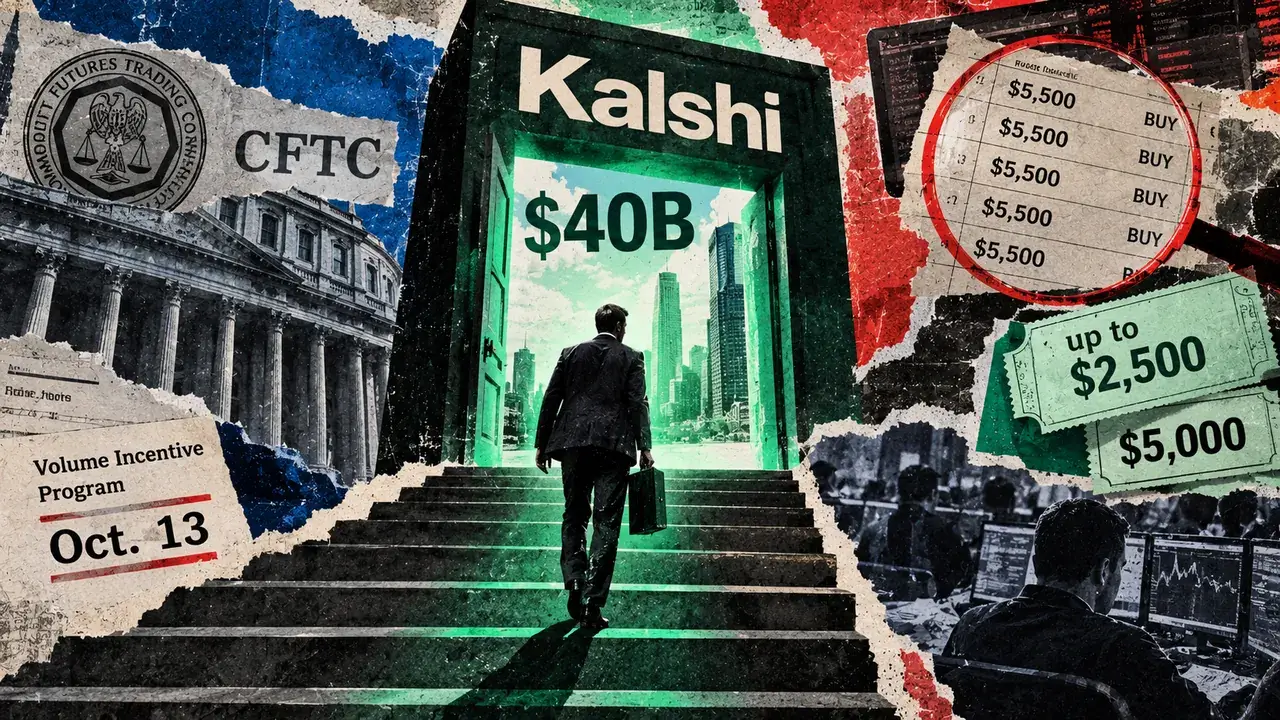
Kalshi’s $40 billion growth story hits tough questions about its trading volume
Kalshi is ending a trader-volume incentive program nearly a year early as scrutiny of activity in its crypto markets intensifies....
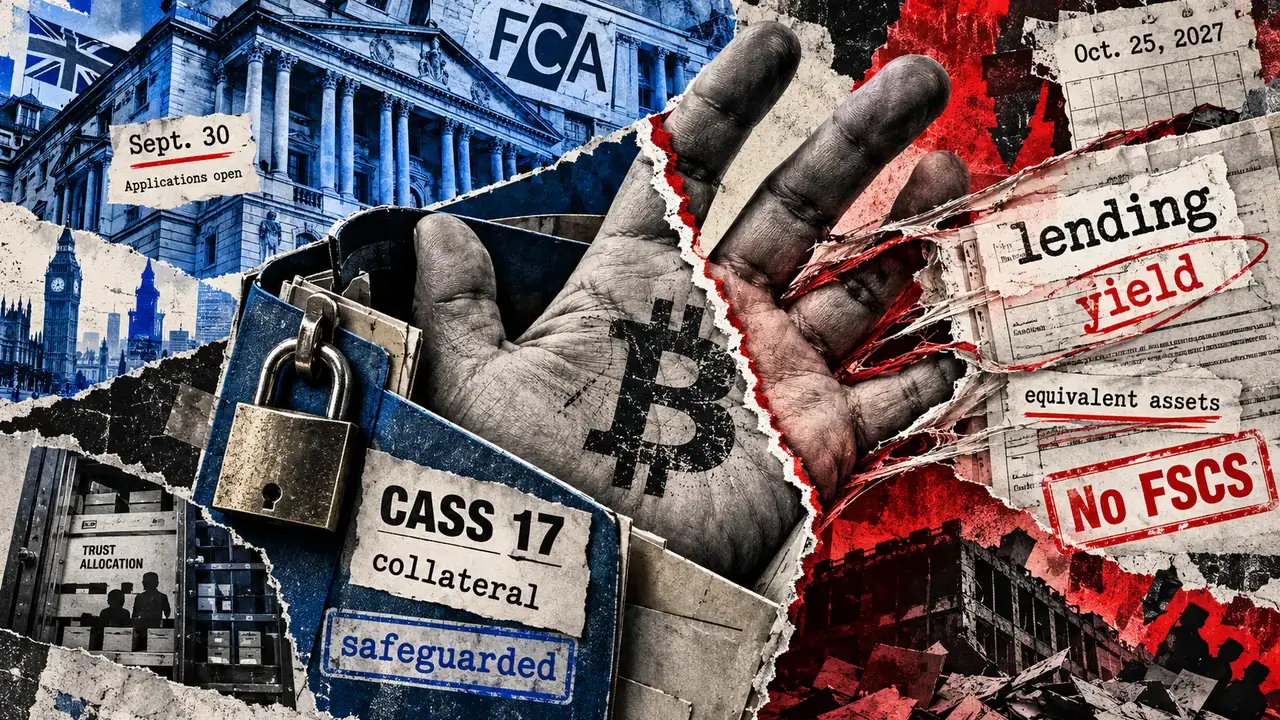
UK’s 2027 crypto rules let firms remove trust protection from Bitcoin lent for yield
UK crypto firms can now apply for authorization as of Sept. 30, bringing Bitcoin holders closer to a rulebook that will treat coin...

Sparkling Launches the Trading App That Comes With an Agent
Abu Dhabi, UAE, September 30th, 2026, Chainwire Trade crypto, perpetual futures, prediction markets and tokenized US stocks from o...

XRP News: Brazil $4T Financial Infrastructure Expands Onto XRPL
CSD BR, a Brazilian financial-market infrastructure operator overseeing more than 22 trillion reais in registered assets, has been...

Standard Chartered says Ethena’s ENA could crush Bitcoin and Ethereum returns by 2028
Standard Chartered expects Ethena’s ENA token to rise about sevenfold by 2028, provided the protocol can rebuild its shrinking syn...

Senate Republicans introduce crypto tax bill targeting digital assets
The bill's focus on crypto taxation may signal a shift towards detailed regulatory frameworks, influencing market sentiment and fu...