South Korea Plans to Regulate Cross-Border Crypto Transactions
The South Korean government plans to regulate cross-border transactions of virtual assets, such as cryptocurrencies, The Korea Times reported. The proposed regulation will introduce new registration and reporting require...
Archive context
Older archive item. Useful for background and entity history, but not a fresh market-moving signal.

The South Korean government plans to regulate cross-border transactions of virtual assets, such as cryptocurrencies, The Korea Times reported. The proposed regulation will introduce new registration and reporting requirements for involved parties from the second half of 2025.
New Regulations Incoming
Although details of the proposed regulations are yet to be disclosed, the Finance Ministry stated today (Friday) that the new regulatory framework will require prior registration and monthly transaction reporting to the Bank of Korea for all business dealings involving cross-border trade of virtual assets.
Despite the Finance Ministry’s proposal, lawmakers have yet to complete the necessary legislative requirements.
Although South Korea is a small country, it has adopted cryptocurrencies, which have also introduced the risk of financial crimes. According to the local customs agency, authorities detected a total of 11 trillion won ($7.97 billion) in foreign exchange-related crimes since 2020, 81.3 percent of which involved virtual assets.
The Race to Regulate Crypto
Earlier this year, a new Virtual Asset User Protection Act became effective in the country, introducing stringent regulations to prevent unfair trading practices in the crypto market. The legislation requires crypto exchanges to establish strong monitoring mechanisms to detect and report suspicious activities to financial authorities. It specifically prohibits the use of insider information, market price manipulation, and fraudulent transactions.
Meanwhile, the European Union leads in crypto regulation. The bloc introduced the Markets in Crypto-Assets Regulation (MiCA), part of which became effective earlier this year, covering the circulation of stablecoins. The remaining part of MiCA, which covers due diligence for crypto transactions, will become effective at the end of 2024.
However, the US, which has the largest economy, has yet to decide on a clear stance toward crypto. Interestingly, cryptocurrency has become a prominent topic in the ongoing presidential election campaign. While Donald Trump has openly supported crypto by attending Bitcoin conferences and launching his own non-fungible tokens (NFTs), Kamala Harris has mentioned crypto only once so far, in a Wall Street fundraiser, where she pledged to encourage investment in “digital assets” alongside other modern technologies like artificial intelligence (AI).
This article was written by Arnab Shome at www.financemagnates.com.Why this matters
This cryptocurrency story adds another data point to the current market tape and is useful when read alongside nearby source coverage.
Original source
Read on Finance MagnatesRelated market context

North Korean Hackers Linked to $388M Bitget Crypto Exchange Theft: CEO
Bitcoin Magazine North Korean Hackers Linked to $388M Bitget Crypto Exchange Theft: CEO Hackers from North Korea targeted crypto e...

CFTC advances crypto regulations; SoFi, Mastercard launch stablecoin settlement
Regulatory clarity and stablecoin integration may boost crypto's mainstream adoption, while legal challenges highlight ongoing mar...

CFTC Staff Let Futures Brokers Invest Customer Funds in Tokenized Assets, Keep Records Onchain
Futures brokers and clearinghouses regulated by the Commodity Futures Trading Commission can invest customer money in tokenized ve...

Best Crypto Staking Platforms for 2026: 7 Options Compared
Staking is the closest thing crypto has to earning interest: you lock up a proof-of-stake asset to help secure its network, and in...
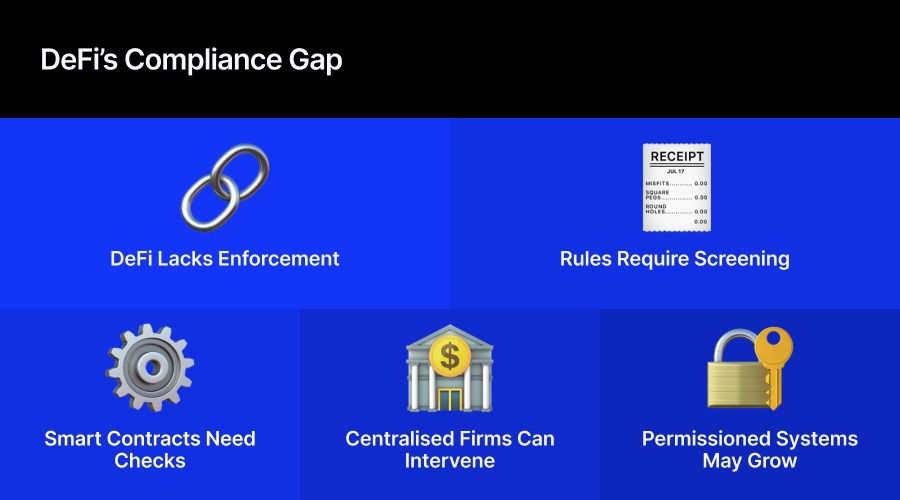
DeFi Was Never Going to Get Its Clarity from US Congress
Last week’s failed CLARITY Act cloture vote will be read as a setback for crypto. That reading misses where decentralized finance...
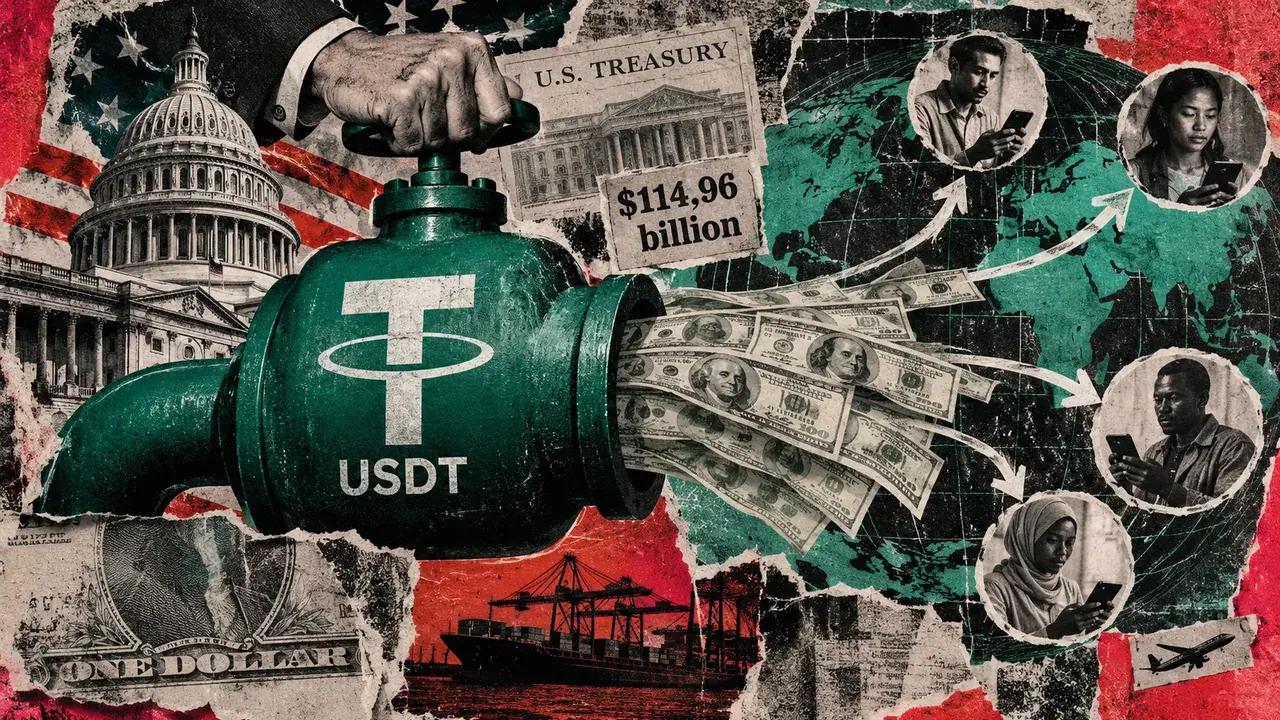
Washington has $114 billion reasons to want Tether around
Not that long ago, Washington fined Tether for misleading people about the dollars behind its tokens. Today, the company's insatia...